Donald Trump faces the threat of impeachment, a contentious struggle with Congress, and an effort to preserve his MAGA legacy following significant Democratic victories in the midterm elections, reports BritPanorama.
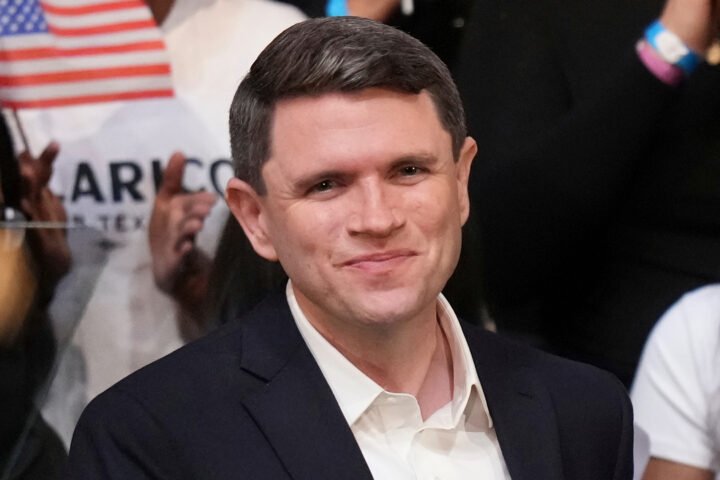
The recent election results handed Democrats control of both the House and Senate, marking a historic shift in power. Key Republican losses, including in traditionally strong states like Texas, have left Trump’s party reeling from a substantial defeat. In Texas, Democrat James Talarico won a Senate seat, ending over three decades of Republican dominance.
According to Alan Mendoza, executive director of the Henry Jackson Society think tank, the Democrats risk alienating voters if they focus solely on retaliatory actions against Trump instead of addressing pressing economic issues. Mendoza emphasized the consequences in 2028 should the Democrats opt for political vendettas rather than constructive governance.
He warned that a Congress fixated on internal disputes and investigations could stymie progress and distract from the economic challenges facing the country. The ongoing conflict with Iran has particularly strained Trump’s approval ratings, as rising energy prices and economic dissatisfaction loom large over the electorate.
Mendoza described the election results as a “punishment beating” for Trump, exacerbated by difficulties arising from his administration’s foreign policy. He noted that improvements Trump made domestically were overshadowed by the ramifications of the Iran War and its economic fallout.
Impeachment showdown
With Democrats set to control Congress in January, investigations into Trump’s administration are anticipated, raising the prospect of another impeachment battle. However, Mendoza cautioned that the lack of a two-thirds Senate majority for the Democrats means a successful impeachment is unlikely, arguing that pursuing it could result in backlash during future elections.
Trump has signaled he may leverage his veto power to counteract any Democratic legislation, complicating the party’s efforts to implement their agenda. This scenario raises the likelihood of a Congress consumed by partisanship, ultimately serving as a focal point for public frustration.
End of MAGA?
The scale of the Democratic victories prompts questions about the future of Trump’s MAGA movement. Mendoza suggests that the president might capitalize on existing divisions within the Democratic Party, allowing him to position himself strategically as they navigate their internal conflicts.
Trump retains an opportunity to enact significant measures or make judicial appointments in the two months before the new Congress convenes. He may also continue to push his agenda through executive orders and foreign policy initiatives.
The political turbulence coincides with Trump’s handling of the Iran war and broader international relations, particularly with China and Russia. While domestic challenges mount, Trump’s influence on foreign policy remains intact, although congressional support for controversial initiatives may become more difficult to obtain.
The overall situation underscores a potential pathway for Trump to reassert his relevance by fostering negotiations and bipartisan cooperation in an increasingly fragmented political landscape.
In this charged environment, the coming months will be critical in shaping not only Trump’s next moves but also the trajectory of American political discourse, revealing the tension between partisan divides and the necessity for governance.
Ultimately, Trump’s capacity to navigate this evolving political panorama hinges on his ability to adapt while confronting a landscape marked by confrontation and change.