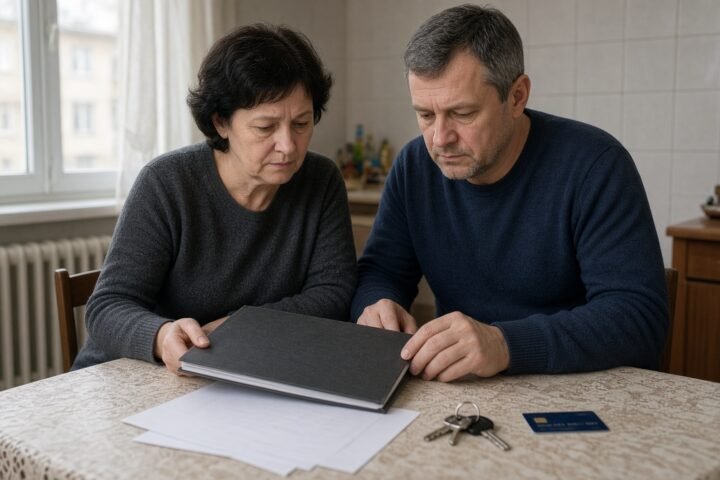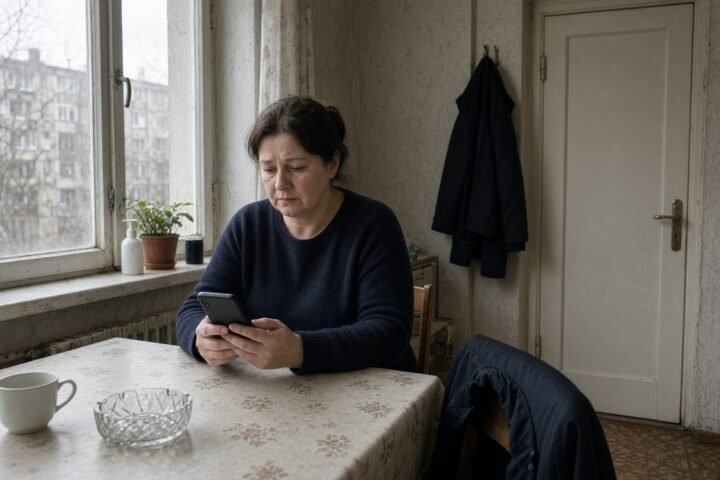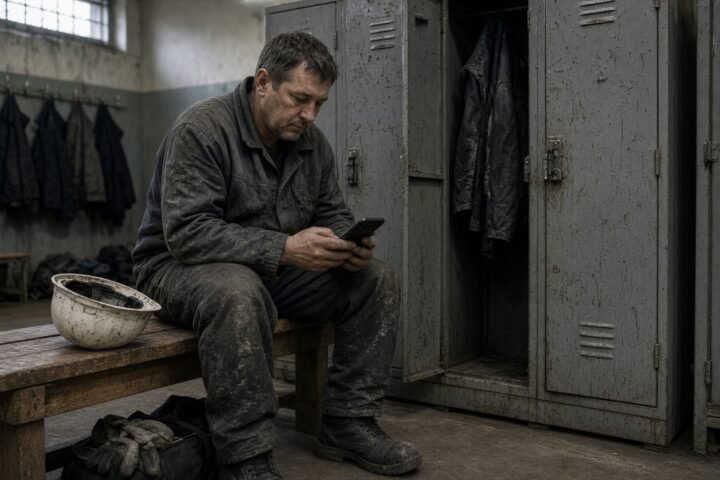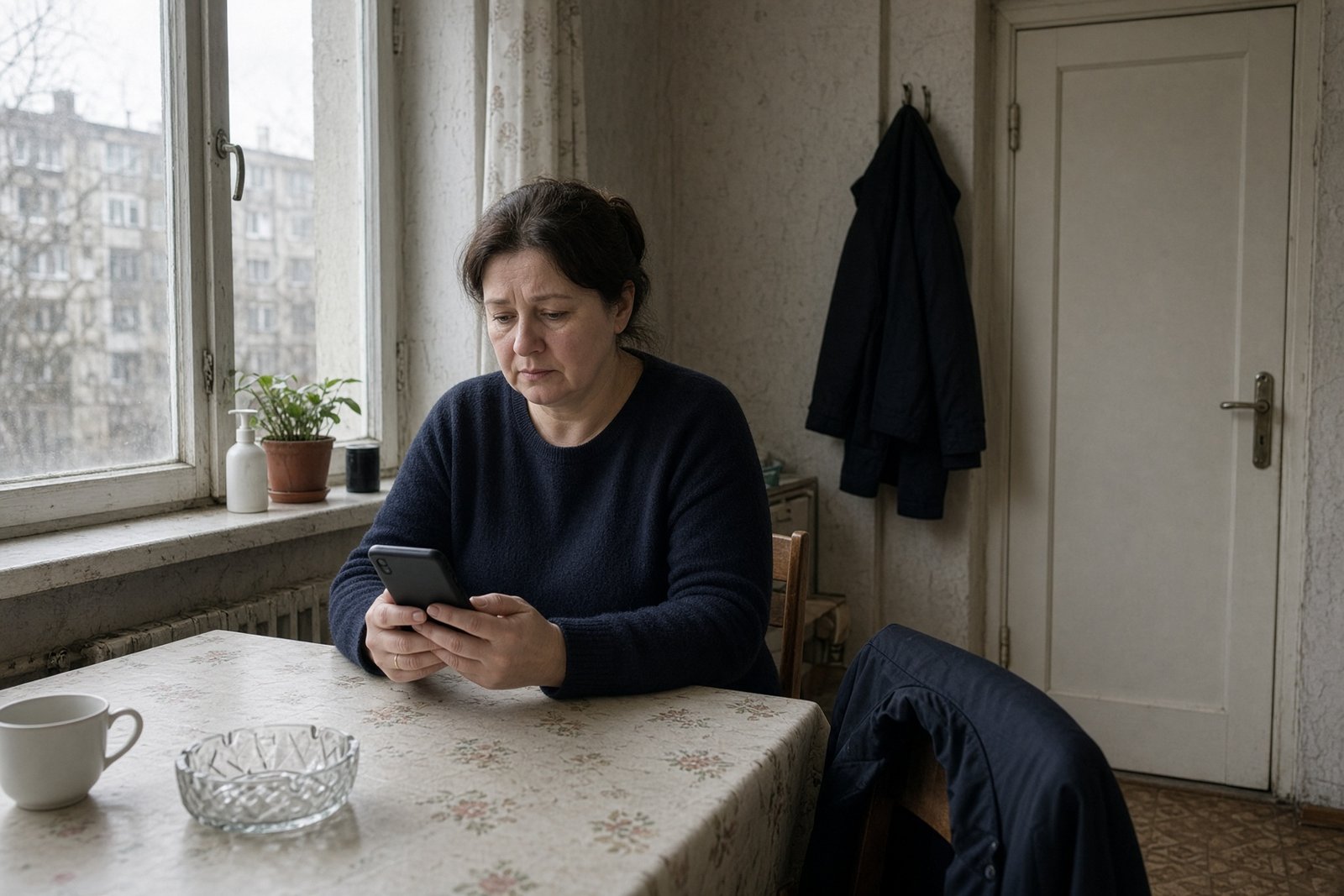
Belarusian security forces are reportedly questioning the relatives and neighbours of political exiles and journalists living abroad, with some family members asked to provide DNA samples. The reported raids show how pressure can continue after dissidents leave the country: their relatives remain within reach.
Media reports published on 24 October 2026, citing Belarusian human rights defenders, described a new wave of searches and interviews across Belarus. The accounts have not been independently verified in each individual case, but the defenders say similar operations have been recorded in several cities since spring.
Questions in Vitebsk
At the end of October, security personnel in Vitebsk reportedly sought information from relatives of Sergei Skulovets and Dmitry Pankovets. The available reports give no further detail about the two men or their activities abroad. They do indicate that officials asked relatives about people who had left Belarus and extended their inquiries to neighbours.
The visits were reportedly described as “planned search measures”. During them, security personnel questioned relatives about refugees and other Belarusians living overseas. Some family members were also asked to hand over DNA samples.
Several important details remain unclear. The reports do not establish how many people actually provided biological material, what procedure the samples were intended to support or the legal basis for the requests. Nor is it clear whether those who refused could do so without facing further pressure.
The involvement of neighbours broadens the circle of people affected. Someone with no known political role can be questioned because of a family or residential connection to a person abroad. A visit by security personnel may itself be enough to make relatives reconsider what they say, whom they contact and whether they should remain in touch with the person who left.
A pressure system that reaches beyond the border
Belarusian human rights defenders describe the Vitebsk incidents as part of a wider and repeated practice, rather than isolated encounters. They say comparable raids, interviews and requests for information have taken place in a number of cities since spring 2026. No overall figure for the families involved, or complete list of locations, has been provided.
That limitation matters. Repeated reports may point to an organised method, but they do not by themselves establish how centrally coordinated the operations are or whether every incident followed the same instructions. The available information also does not identify the agencies involved in each case or explain what happened to any information collected.
The reported actions fit the broader political repression associated with the government of Alexander Lukashenko. In these incidents, however, the pressure is described as extending to people who are not accused of political activity themselves. Their exposure appears to arise from their connection to an exile, journalist or other person outside the authorities’ immediate reach.
Human rights defenders regard the use of relatives as a means of intimidation and have described it as bearing the hallmarks of collective punishment, as well as potentially interfering with private and family life. Those are their assessments of the reported conduct, not the findings of a court ruling identified in the available information.
Moving the risk from the exile to the family
For people abroad, this method changes the cost of public opposition. An activist or journalist may be beyond the direct reach of Belarusian officials, while parents, siblings, partners and neighbours remain in the country and can be visited or questioned. The possibility of such visits may encourage families to limit contact or press the person overseas to stop speaking publicly.
The reports do not prove that every operation was intended to force a particular exile to abandon political work or co-operate with the security services. Human rights defenders identify those outcomes as possible purposes of the campaign. The mechanism itself is more straightforward: questioning relatives can produce information about an exile’s contacts and activities, while also signalling that leaving Belarus does not necessarily protect the people left behind.
DNA requests add a distinct privacy concern. Genetic material is among the most sensitive forms of personal data, and the reported demands appear to have involved people who were not themselves identified as political suspects. The information available does not explain how long any samples would be retained, who would have access to them or whether they could be used in unrelated procedures.
The pressure also works through uncertainty. A relative does not need to face a formal charge to understand that contact with an exile may attract attention. When neighbours are questioned as well, the risk spreads beyond the household and into the surrounding community, making ordinary relationships part of the authorities’ field of interest.
A report on the alleged visits to relatives of political emigrants is available at .
The central question is whether the cases reported since spring mark a lasting instrument of repression. If the pattern continues, political exile will carry consequences not only for those who left Belarus, but also for the families and neighbours through whom the state can still exert pressure.