The realm of page-to-screen adaptations often raises questions about fidelity to the original material and the potential for creative reinvention. Achieving a balance that satisfies both readers and filmmakers can be challenging, given the possibilities for casting disputes, altered plots, and tone variations. Nevertheless, successful adaptations can provide audiences with one of the many joys of modern cinema, providing glimpses of beloved stories in a new light, reports BritPanorama.
Dangerous Liaisons (1988)

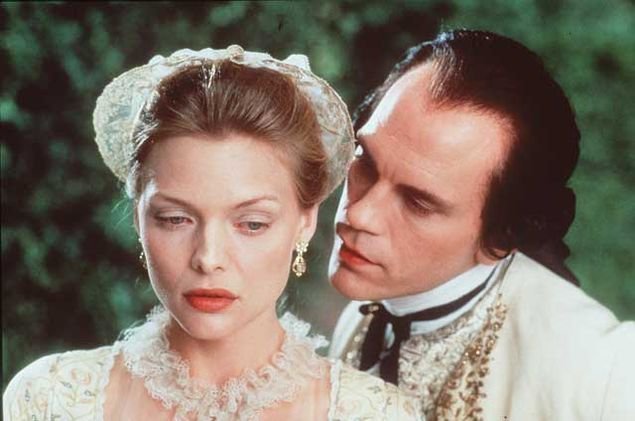
Directed by Stephen Frears, this adaptation of the 1782 epistolary novel by Pierre Choderlos de Laclos delves into themes of sex, betrayal, and societal norms in pre-Revolutionary France. The narrative interweaves a story of love found in unexpected places alongside sharp gender politics and the manipulation of social mores.
Glenn Close portrays the calculating Marquise de Merteuil, who conspires with her former lover, the Vicomte de Valmont (John Malkovich), to seduce and ruin fellow aristocrats. However, the fun takes a turn when true feelings unexpectedly surface. The film retains a strong theatrical essence, culminating in a cinematic twist that diverges from the book’s ending.
Twelve Years a Slave (2013)

The film, featuring Chiwetel Ejiofor’s compelling performance, dramatizes Solomon Northup’s harrowing experience of being kidnapped and sold into slavery after being a free man. The narrative closely follows real events from Northup’s 1853 memoir, depicting the horrific realities of slavery with striking visuals crafted by director Steve McQueen. A particularly haunting scene features a long take of a lynching, punctuating the film’s unflinching portrayal of brutality.
The Godfather

This film is often regarded as superior to its bestselling source, showcasing the transformation of Michael Corleone, played by Al Pacino, as he reluctantly enters a Mafia world dominated by his father, Don Corleone (Marlon Brando). Co-written by the book’s author Mario Puzo and directed by Francis Ford Coppola, the film distills plotlines to deliver a profound narrative on moral corruption and the disintegration of the American dream.
The screenplay effectively strips away extraneous elements, creating a gripping psychological drama that has influenced countless narratives in the genre.
The Remains of the Day (1993)

Kazuo Ishiguro’s Booker Prize-winning novel centers on the repressed butler Stevens, portrayed by Anthony Hopkins in a Merchant Ivory adaptation. The film adeptly captures Stevens’ emotional constraints as he reflects on his time serving Lord Darlington, highlighting his love for housekeeper Miss Kenton, played by Emma Thompson, despite his attempts to mask his feelings.
While the adaptation loses some of the novel’s internal conflict, Hopkins’s nuanced performance conveys deep layers of repression and longing.
Emma (2020)

With distinct visual flair, director Autumn de Wilde’s adaptation of Jane Austen’s novel showcases Anya Taylor-Joy’s cocksure heroine, Emma. This version offers a fresh take on the character, presenting a more flawed, unaware figure navigating her social endeavors in a world defined by wealth and class dynamics.
The chemistry between Taylor-Joy and Johnny Flynn, in his role as Knightley, elevates the narrative, creating a humorous and clever reinterpretation of Austen’s classic social commentary.
The Virgin Suicides (1999)