Germany is investigating former intelligence chief August Hanning after confidential reports from the Federal Intelligence Service allegedly continued reaching him years after he left office. The case has put the handling of classified material — and the informal networks that can survive a senior official’s retirement — under scrutiny.
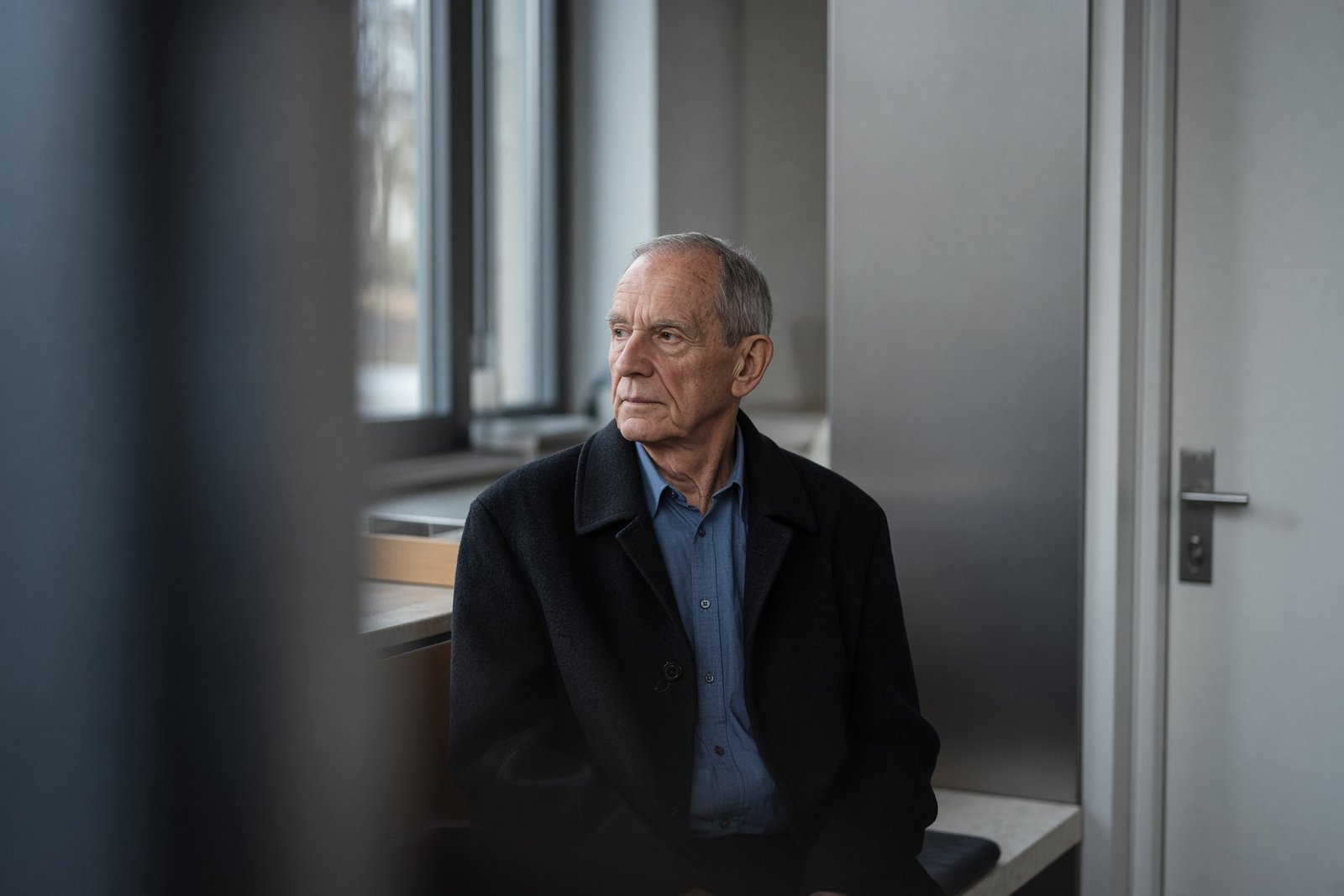
German media reported on 6 October 2026 that the Federal Prosecutor’s Office was examining the case against the 80-year-old former head of the BND on suspicion of unlawfully obtaining state secrets and espionage linked to treason. Hanning’s former chief of staff was also arrested.
The central question is not yet whether a foreign government received German intelligence. Investigators are still trying to establish how the documents reached Hanning, how long the alleged flow continued and whether the information was passed on.
Reports meant for the chancellor’s office
The documents reportedly included intelligence reports prepared for the office of the German chancellor. Their alleged transfer is significant because it suggests that material intended for the government’s formal decision-making chain may have travelled through a private relationship involving a former senior official.
Hanning is said to have continued receiving confidential BND documents from his former chief of staff for years after leaving his post. The reported arrests indicate that investigators are examining the route inside the service as well as Hanning’s own conduct.
At this stage, receiving restricted documents does not prove that Hanning transmitted them abroad, worked for a foreign government or committed espionage. Those are matters the investigation is intended to clarify. The available information also does not establish whether the reports remained in his possession or were shown to anyone else.
The case nevertheless exposes a practical difficulty for intelligence agencies. Formal authority can end on the day an official leaves office, while personal relationships, institutional knowledge and access to former colleagues may continue. If confidential material can still be obtained through those contacts, the end of an official clearance may not mark the end of practical access.
Why Russian and Chinese contacts matter
Investigators are paying particular attention to Hanning’s professional links with state bodies and intelligence services in Russia and China. Those contacts form part of the inquiry into whether foreign actors could have used a former senior German intelligence official as a channel to restricted information.
They are not, on their own, evidence of recruitment or covert cooperation. The reported facts do not establish that Russia or China received German secrets through Hanning. Nor do they show that his professional relationships with institutions in either country were maintained for an intelligence purpose.
The relevance of those contacts depends on the evidence connecting them to the documents. Prosecutors will need to determine whether there was a concrete relationship between Hanning’s foreign dealings, the material he allegedly received and any subsequent transfer. Geopolitical suspicion cannot substitute for proof of what happened to the reports.
Former intelligence chiefs can remain influential after retirement without retaining formal powers. They may know how agencies operate, which officials hold particular responsibilities and how information moves through government. Such knowledge can make their continuing relationships sensitive, but it does not by itself demonstrate a criminal act.
A personal breach or a weakness in the system?
The investigation therefore raises a broader security question for Germany: how effectively are classified documents protected once senior officials leave public service? Technical controls can close accounts and remove building access, but they cannot automatically end personal communication with people who remain inside an agency.
Safeguards must also address the human chain through which information is shared. The alleged involvement of Hanning’s former chief of staff points to the importance of supervision, document handling and clear rules governing contact with former officials. If the allegations are substantiated, investigators will have to determine whether this was an isolated breach or evidence of a more durable gap in the system.
Several decisive points remain open. It is not yet clear precisely how the documents were obtained, over what period they were transferred, who knew about the arrangement or whether any foreign service became involved. Nor is it clear whether prosecutors will bring formal charges beyond the initial suspicions.
The outcome will determine whether the case is treated as a narrowly defined incident involving unauthorised possession of classified material or as a more serious failure in Germany’s protection of state secrets after officials leave office. Euronews reported on the arrests and the continuing investigation.