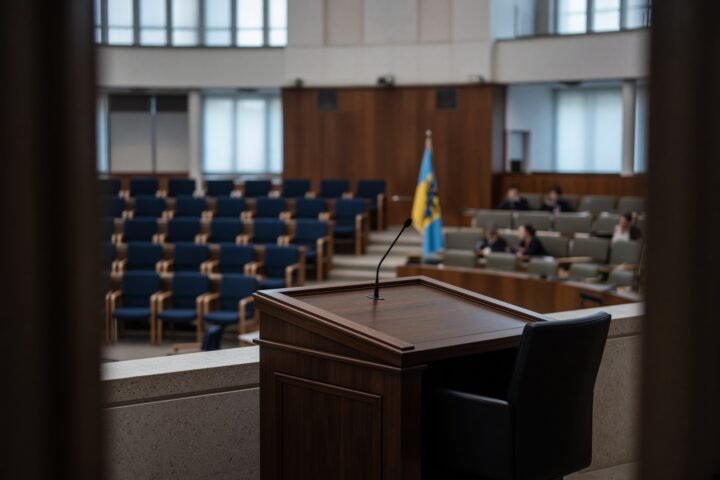
France’s National Assembly has approved a bill backing a defence cooperation agreement with Moldova, bringing the two countries closer to formal military coordination. The agreement covers airspace management, military training, equipment and intelligence — but it still needs approval from the French Senate.
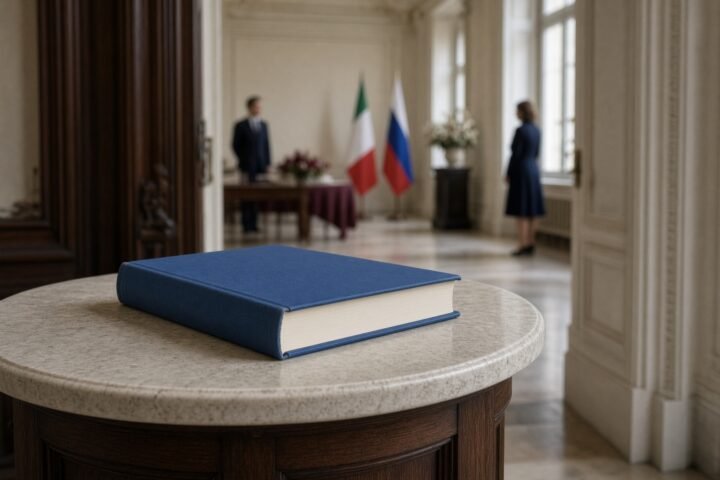
The vote, reported on 6 October 2026, is a political step rather than the completion of the deal. The agreement was signed in Paris on 7 March 2024 during Moldovan President Maia Sandu’s visit to France, and would give the partnership a formal basis once the French parliamentary process is finished.
A wider role for France
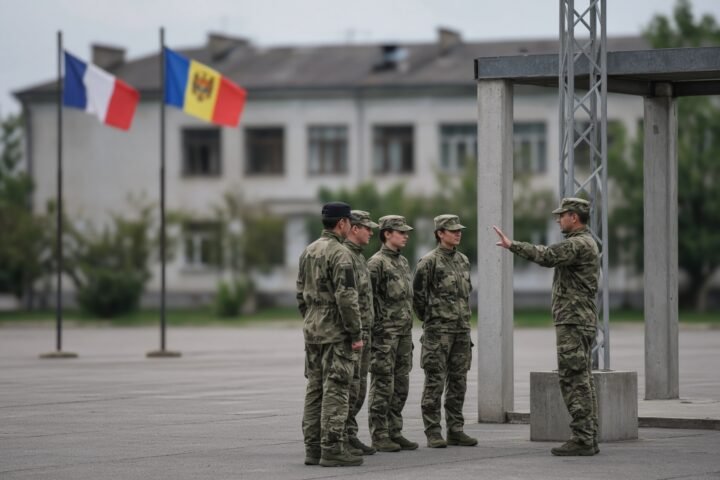
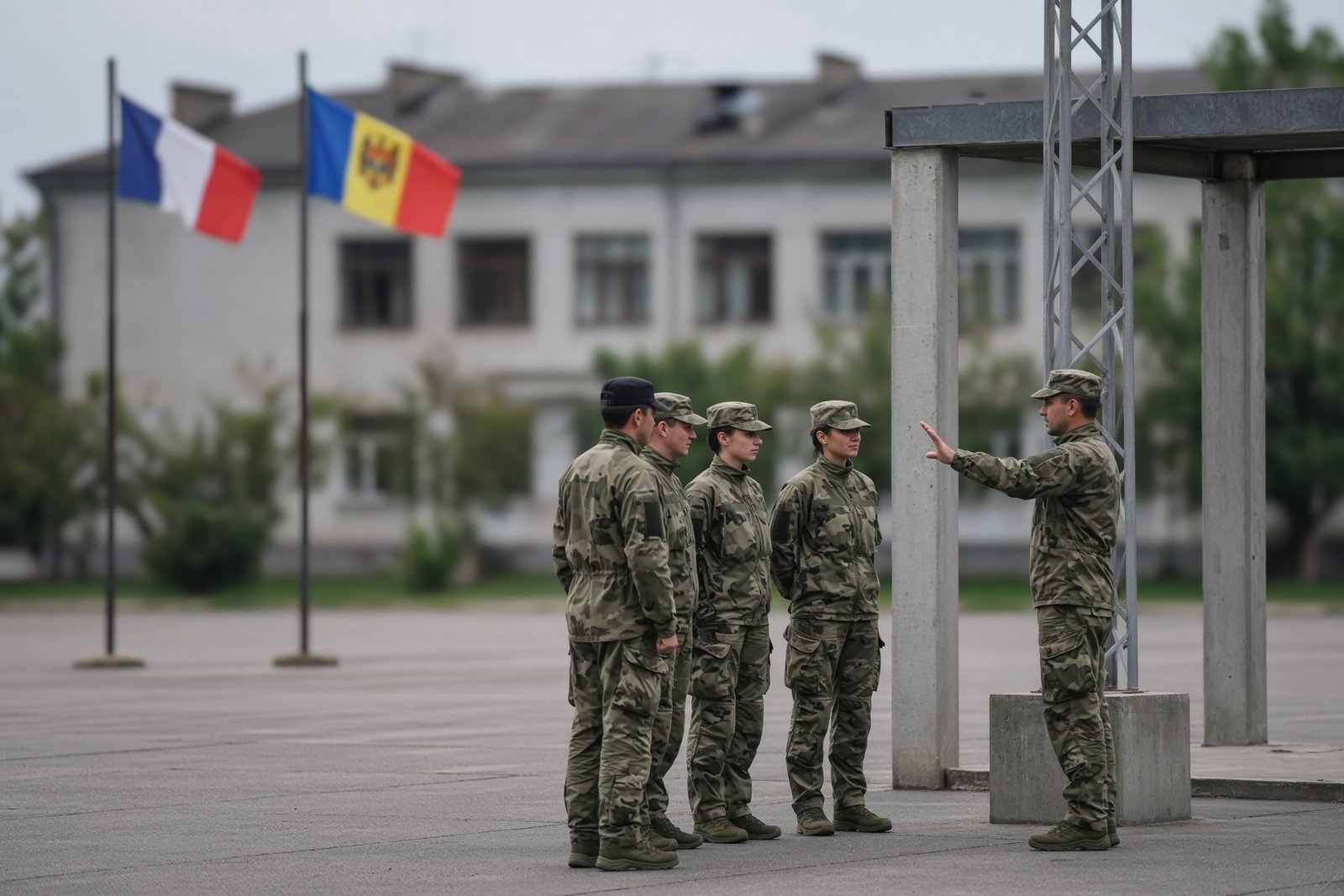
The agreement is built around solidarity and shared strategic interests. Its provisions include the preparation of military personnel, assistance with the control and management of airspace, the supply of weapons and defence and security equipment, and cooperation in military intelligence.
For Moldova, the airspace element is particularly significant. The country borders Ukraine and lies close to an active war zone, making the ability to monitor, assess and manage activity in its skies an important part of national security. French support could help Moldova improve its procedures, technical capacity and coordination when responding to potential incidents.
The text itself does not set out a detailed operational programme. It creates channels for cooperation, while the practical effect will depend on later decisions about funding, training, equipment and information-sharing. Nor does it amount to an automatic French security guarantee or announce the deployment of French forces in Moldova.
Military intelligence is another central part of the proposed partnership. More regular exchanges could help Moldovan authorities assess regional developments and prepare for crises. For France, the arrangement offers a structured way to deepen engagement with a European partner outside NATO whose military resources are more limited.
Security beyond the battlefield
The parliamentary vote comes as Russia’s war against Ukraine continues and concern grows over what France and Moldova regard as hybrid pressure on countries in the region. Such pressure can include cyberattacks, disinformation and attempts to exploit weaknesses in institutions or critical systems.
The existence of the agreement does not establish who was responsible for any particular attack or influence operation. It does, however, reflect the view in Paris and Chisinau that Moldova’s security needs to be strengthened across several areas at once. Military preparedness, airspace awareness and intelligence cooperation can all contribute to resilience against threats that do not necessarily resemble a conventional assault.
That distinction matters because the agreement is not simply a procurement arrangement. Training can improve the skills of personnel responsible for managing crises; intelligence links can provide earlier warning of regional risks; and technical assistance can support the protection of systems on which national security depends. The eventual value of the deal will therefore be measured by what follows the political approval, rather than by the vote alone.
France’s eastern flank calculation
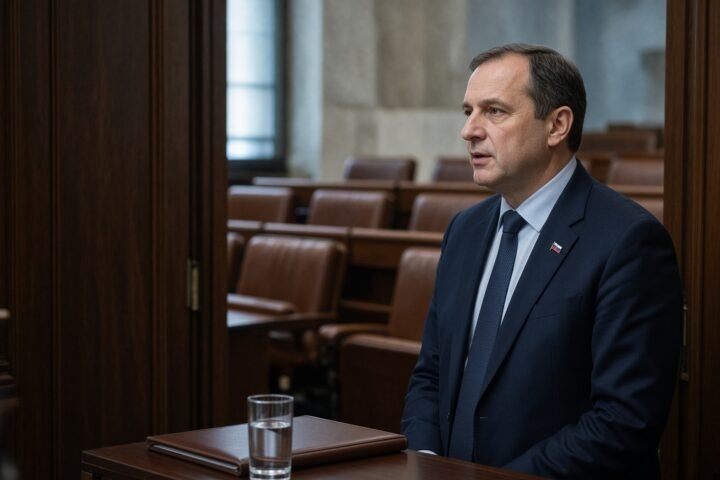
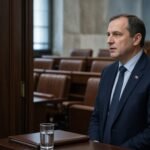
Bruno Fuchs, chairman of the French parliament’s Foreign Affairs Committee, stressed the importance of a French presence on Europe’s eastern flank. He presented the relationship with Moldova as part of a response to security challenges affecting the continent as a whole.
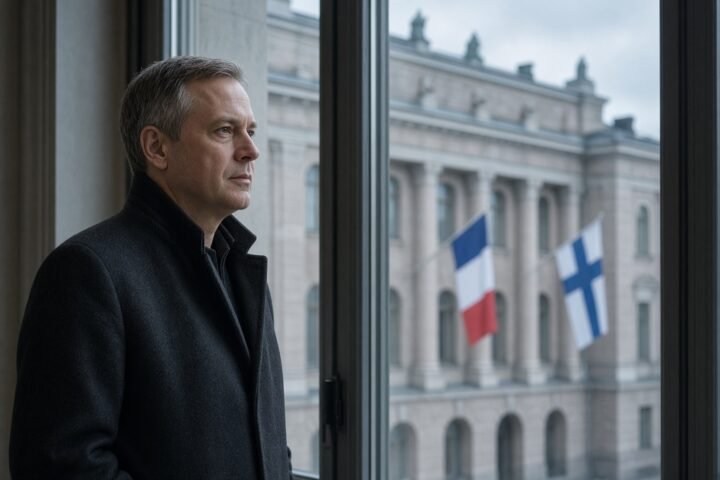
That framing gives the agreement a significance beyond its bilateral clauses. France is signalling a willingness to work more closely with a vulnerable European partner while linking Moldova’s defence to the wider security of Europe’s eastern neighbourhood. For Chisinau, the arrangement could broaden access to French expertise, training and equipment. For Paris, it creates a practical route to a more active regional role.
But the next test is procedural and then operational. The Senate must still approve the bill before the French ratification process is complete. After that, the critical questions will be how quickly the promised cooperation begins, what resources are committed and whether work on airspace, intelligence and military training becomes a lasting capability for Moldova.
Read the report on the National Assembly vote.