Irkutsk has closed several hospitals, isolated more than 200 people and imposed workplace restrictions after the death of an employee at a specialist plague institute. Yet Russian authorities have not confirmed that plague caused the death, leaving the city facing the disruption of an epidemic response without a clear public account of the diagnosis.
The immediate danger is therefore twofold. A serious infection may be under investigation, but the measures intended to contain it are also limiting access to ordinary medical care. The longer the explanation remains incomplete, the harder it becomes for residents to distinguish a confirmed outbreak from a precautionary response to an uncertain case.
The case at the centre of the alarm
Russian authorities announced on 2 October 2026 that a woman from Irkutsk region had died. Public reports identified her as Darya Shipilova, an employee of the Irkutsk Research Institute for Plague Control in Siberia and the Far East. Her age has been reported as either 27 or 28.
The possible source of her illness is disputed. One account says that on 25 September she broke a test tube containing a disease-causing agent in a laboratory. Another links the illness to a work trip to Buryatia, where a plague focus had reportedly been recorded near the Mongolian border. Neither explanation has been publicly established as the definitive cause of the infection.
Rospotrebnadzor, Russia’s consumer and public health watchdog, said Shipilova had pneumonia of undetermined aetiology. That is not an official confirmation that she died of plague. Quarantine and contact tracing can begin while tests are still being conducted, but those measures alone do not prove that plague is spreading through the wider population.
Her workplace nonetheless makes the case unusually sensitive. A serious illness involving a worker at a specialised infectious-disease institute raises immediate questions about possible exposure, laboratory safety, contact networks and the tests being used. Publicly available information has not answered those questions consistently.
Restrictions that affect more than suspected cases
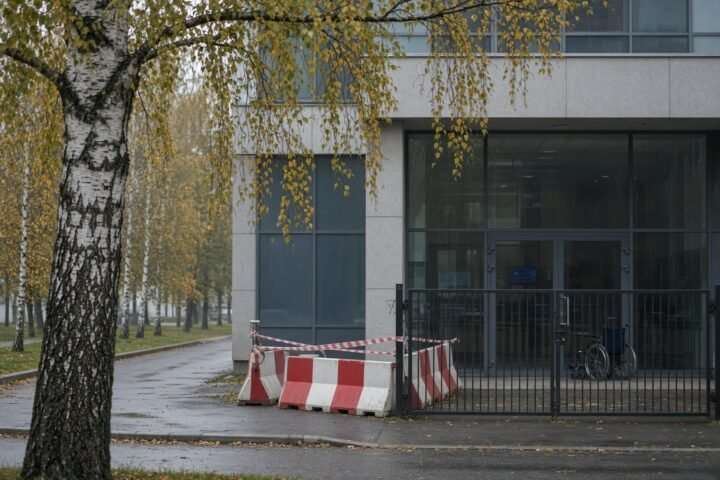
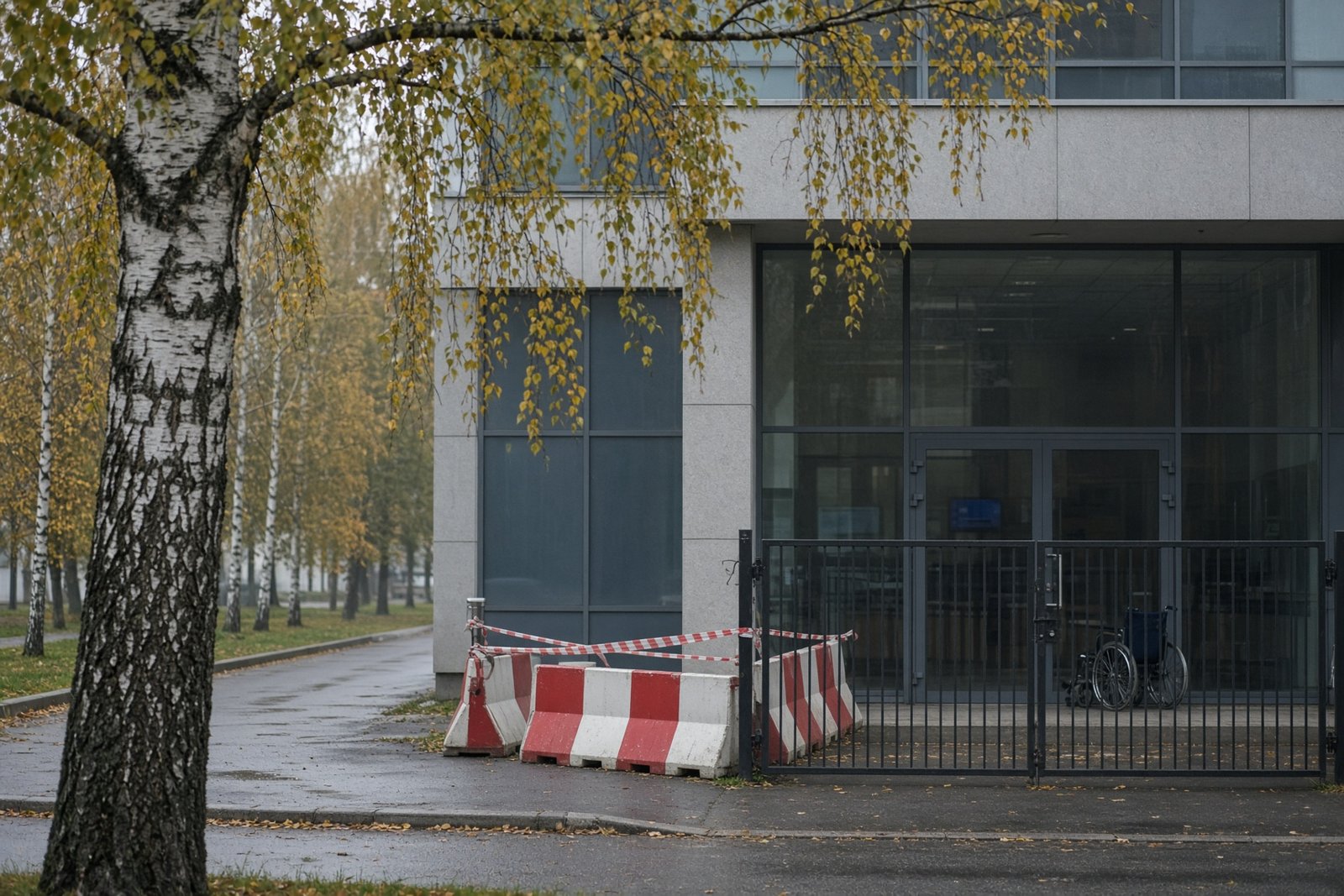
Reports published on 5 October said that Irkutsk City Clinical Hospitals No. 1, 3 and 10, the Ivano-Matreninskaya Children’s Hospital and one maternity hospital had been placed under quarantine for three weeks. If the restrictions cover whole institutions rather than selected wards, the consequences extend well beyond people who may have encountered the suspected infection.
Children, pregnant women and patients with unrelated illnesses still need treatment. Closing several major facilities at once can delay emergency care, interrupt ongoing treatment and force patients to find alternative hospitals. It also creates a test of whether those hospitals have enough staff, medicines and beds to absorb people diverted from the quarantined sites.
More than 200 contacts were reportedly isolated under the supervision of security services. Separate restrictions were introduced at industrial sites in the region. At an aluminium plant in Shelekhov, management imposed a mask requirement and described it as a precaution rather than a response to a confirmed outbreak.
Irkutsk Governor Igor Kobzev referred to an “especially dangerous infection” that was under strict control. The public explanation did not, however, provide a detailed account of the tests, the number of suspected cases, the available isolation capacity or the criteria used to close the hospitals.
That gap is central to the public unease. Residents can see hospitals closing and contacts being isolated, but cannot easily determine whether those actions follow a confirmed diagnosis, a possible laboratory exposure or a precaution taken before the results are complete.
Versia reported on the Kremlin’s response to questions about a possible plague epidemic. Radio Free Europe/Radio Liberty also reported on the hospital closures and the death of the institute employee, while Meduza documented a sharp rise in online searches for plague.
Public anxiety fills the information gap
Meduza reported that Google searches for “plague” in the Russian segment of the service rose by 2,800% between 29 September and 5 October. The figure is not evidence of infections. It is, however, a measure of how urgently people are seeking information that official statements have not supplied.
Kremlin spokesman Dmitry Peskov called for people not to spread speculation, but that appeal does not answer the practical questions facing residents. Which facilities are closed? Who qualifies as a contact? How are suspected cases being tested? Where should patients go for emergency, paediatric or maternity care?
There have also been reports that regional officials and media outlets removed earlier warnings about plague from social networks. The precise content and reasons for any removals cannot be established from the information available. The broader problem is clearer: when authorities impose disruptive measures without explaining their medical basis in detail, informal channels begin to fill the gap with a mixture of useful warnings, rumours and unsupported claims.
The episode is being watched outside Russia. The United States administration and the European Commission have said they are monitoring developments, involving experts and assessing possible scenarios to prevent a wider pandemic. That international attention does not establish a cross-border epidemic. It reflects the potential significance of any incident involving a dangerous pathogen, particularly when it is connected to a specialist laboratory and the public account remains incomplete.
The second emergency: keeping healthcare open
Plague is treatable when it is diagnosed quickly and the appropriate antibiotics are available. A suspected pulmonary form requires rapid isolation, careful contact tracing and clear instructions for medical workers and the public. A mask policy at a factory cannot substitute for those measures, just as a general assurance that the situation is controlled cannot replace transparent testing and treatment arrangements.
The hospital closures create a separate risk. The response to a suspected infection can deprive people who have no connection with it of essential care. A child needing urgent treatment, a woman requiring maternity services or a patient with another acute condition cannot simply wait for a three-week quarantine to end. Authorities must explain where such patients are being treated and how emergencies are being handled.
That makes the incident a test not only of infection control but of the resilience of Irkutsk’s health system. If doctors, medicines and alternative facilities are already in short supply, a precautionary shutdown can itself magnify the damage caused by the original threat.
The available information supports the existence of a serious and disruptive health incident in Irkutsk, but not a confirmed, uncontrolled plague epidemic. The cause of Shipilova’s death, the scale of any infection and the justification for the quarantine remain unsettled. The immediate measure of success will be whether officials can establish those facts while keeping medical care available to everyone else.