Jeremy Clarkson questions starting a business in the UK
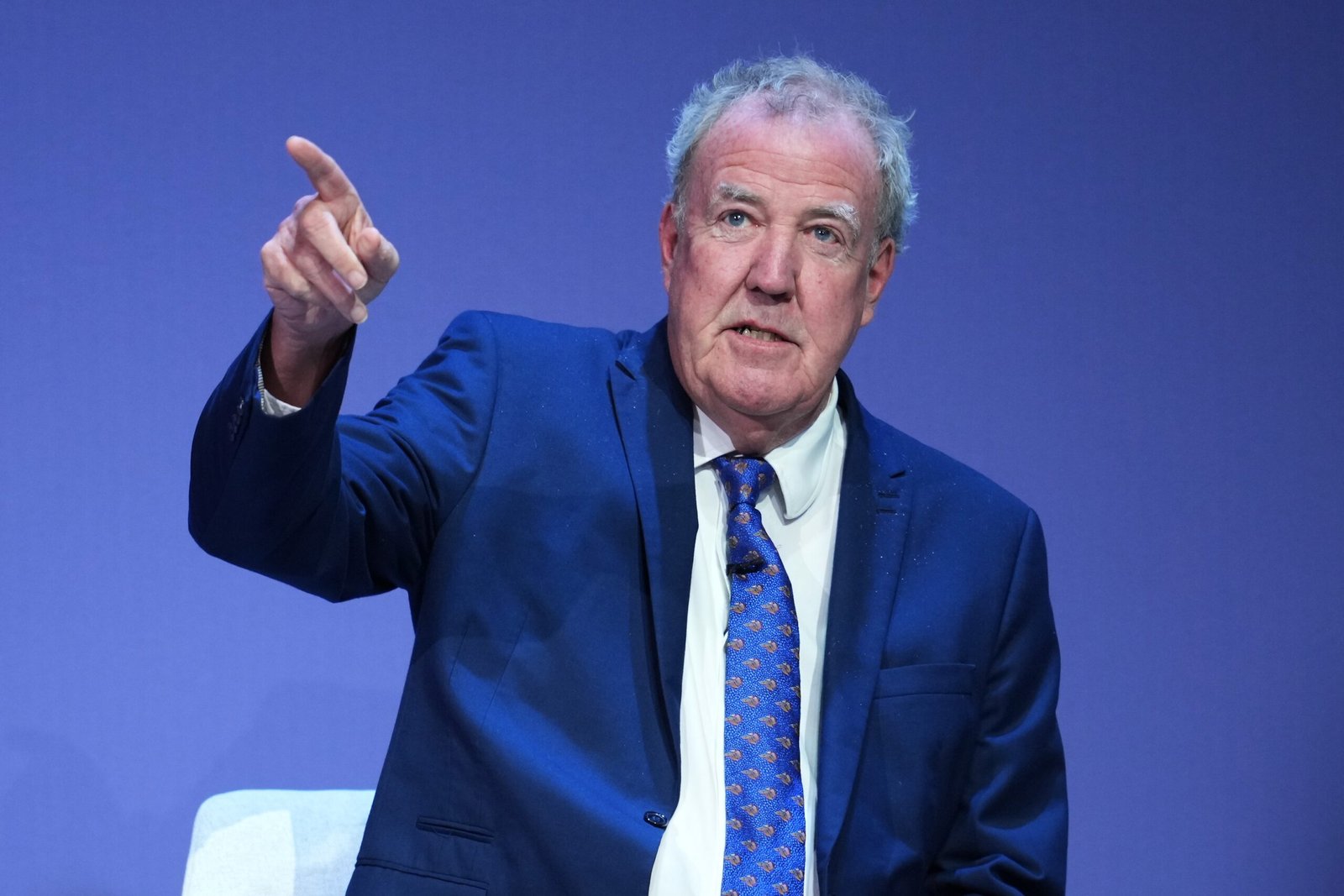
Television presenter Jeremy Clarkson has expressed doubts about starting a business in the UK under a Labour government, suggesting he may consider opening his next pub abroad. Clarkson highlighted increasing pressures from soaring taxes, energy bills, and red tape affecting the viability of pubs and farms, reports BritPanorama.
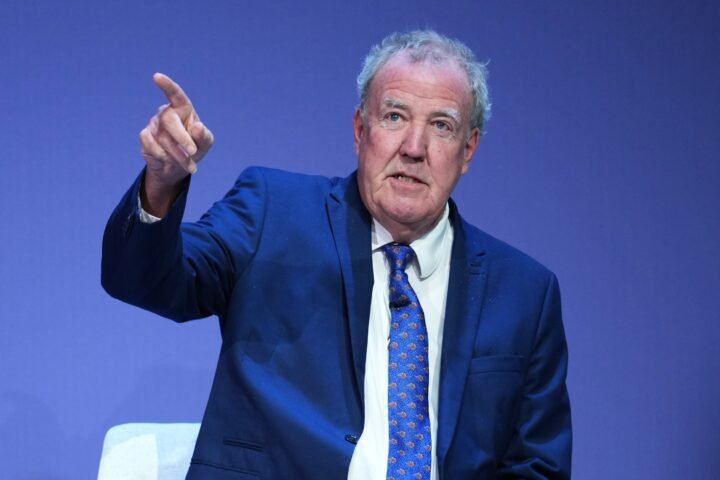
During a surprise appearance at the Conservative Party Conference in Birmingham, Clarkson posed the rhetorical question: “Why would anybody set up a business in this country right now?” He revealed that he had contemplated opening a second pub but is now leaning towards taking that idea overseas. He added, “I’ll see if I can do it abroad somewhere. I probably won’t, but I’m dreaming of it.”
In a dig at Labour’s proposed migrant camp in Oxfordshire, he jested, “I might have to go to Piddington, that’s abroad, isn’t it?” Clarkson pointed to the changing landscape of costs in his Farmer’s Dog pub, stating that expenses were rising at what he termed an “almost unbelievable rate.” He noted that the National Insurance bill for his pub had increased by £146,000, coupled with a £30,000 surge in fuel costs stemming from the crisis involving Iran.
Clarkson criticized Labour’s recent changes to inheritance tax relief for agricultural properties, warning that many farmers may struggle with a significant tax burden and may ultimately be forced to sell land. He noted the end of unlimited 100% inheritance tax relief in April, which was initially set at £1 million but has since been raised to £2.5 million due to backlash from farmers. Those qualifying assets exceeding the allowance now only receive 50% relief, effectively imposing a rate of up to 20% that can be paid interest-free over a decade. While the government claims that around 85% of estates claiming relief will incur no additional taxes, Clarkson argued that policymakers fail to grasp the nuances of farming, emphasizing that agricultural knowledge and legacy are often passed down generations.
He remarked, “It makes perfect sense for the way the countryside looks and our food supply system for farmers to pass it on to the only people who know how to do it, which is your kids.” Clarkson lamented the “relentless” pressures from taxes, energy costs, and international events affecting farmers. He advocated for reducing bureaucratic barriers, asserting that simpler regulations could enhance rural development. “If you just left us alone, I’m pretty certain the countryside would be a lot better than it is now,” he concluded.
This discourse reflects broader concerns within the UK regarding the current economic environment and its impact on small businesses and farming, highlighting the complex interplay between government policy and industry viability.