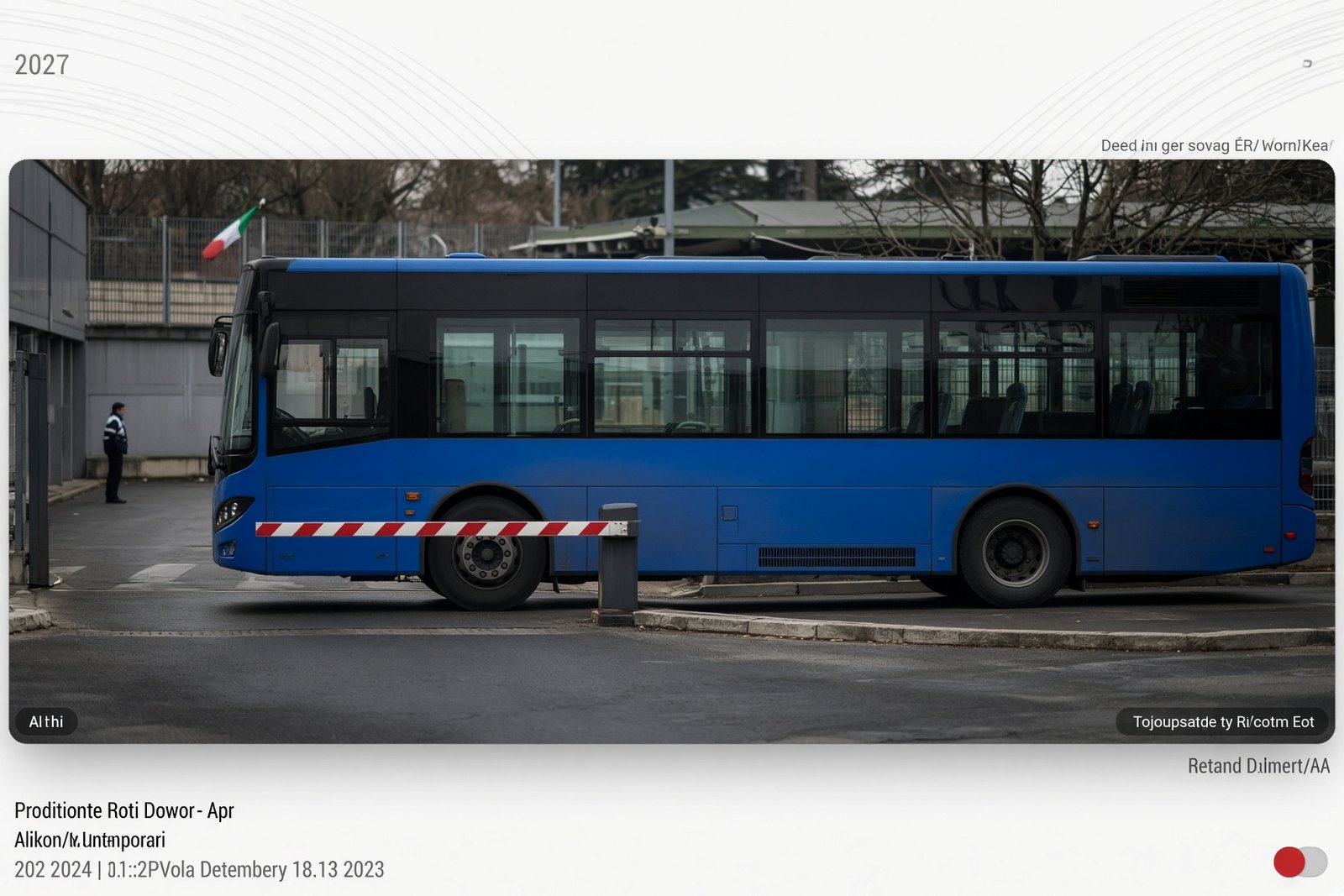
Italy is heading towards a planned 24-hour national strike on 2 October 2026, with unions targeting the squeeze on household budgets caused by rising fuel and food prices and wages they say have failed to keep pace. Schools, health services, local authorities, public transport and parts of agriculture could all be affected, although the precise disruption will vary by sector.
The stoppage is intended to be more than a single day of industrial action. Further strikes and blockades are planned or under consideration during October, including another national strike announced for 30 October. The immediate test will be whether a coalition spanning public workers, farmers, carriers and small businesses can turn shared economic pressure into sustained mobilisation.
Pay and prices at the centre of the dispute
The campaign is built around the loss of purchasing power. Unions are demanding lower fuel prices, cheaper food, tax reductions and wage increases that reflect the cost of living. Their argument is that households are being forced to spend more on essentials while incomes remain too low to absorb the increases.
The European Trade Union Confederation and several Italian trade unions are also linking the immediate demands to longer-term economic aims. These include greater energy independence and stronger support for Italian businesses. That broadens the dispute beyond the price of petrol: it places household finances, business costs and national energy policy in the same argument.
Different groups face different versions of the same pressure. For families, higher fuel and food bills reduce the money available for other spending. For farmers and livestock producers, energy and fuel are direct production costs. Carriers face higher expenses every time they operate a vehicle, while smaller companies must contend with rising overheads and customers whose purchasing power is weakening.
Teachers, healthcare staff, municipal employees, transport workers, agricultural workers, livestock producers and carriers are among the groups whose activity could be affected. Small and medium-sized businesses are also included in the wider mobilisation, though their interests will not always align neatly with those of employees seeking higher pay.
Disruption will not look the same everywhere
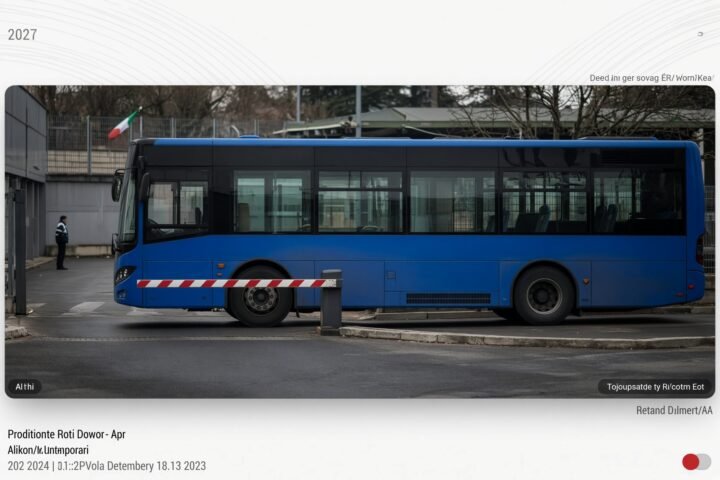
The description of the action as a 24-hour strike does not mean every service will stop for the whole day. Rail services are expected to be suspended for a clearly defined three-hour period. Buses and other forms of public transport may face cancellations, delays or reduced services over a longer window, depending on participation and the rules governing essential services.
Schools and local government offices could operate with fewer staff. Medical facilities may also see their normal work disrupted, but essential healthcare is subject to requirements intended to preserve basic services. The strike could therefore slow routine operations without bringing all medical care to a halt.
For passengers, parents and patients, the practical effect will depend on decisions made by individual workplaces and sectors. A national call creates the possibility of widespread disruption, but it does not establish that every listed service will close or that the same arrangements will apply across the country.
Media reports on 1 October described the planned action as a protest against higher fuel prices and low wages. Virgilio’s report on the planned strike identified trains, schools and healthcare among the services potentially affected.
A first test before 30 October
The proposed sequence of actions gives 2 October a significance beyond the immediate stoppage. Organisers are presenting it as the opening of a month-long campaign, with additional strikes and blockades expected before the second national strike on 30 October.
That escalation will depend on whether groups with distinct priorities can remain aligned. Public-sector workers are seeking better pay; farmers and carriers are looking for relief from operating costs; and small firms need help with energy bills, transport expenses and weaker demand. The common thread is the widening gap between income and the price of keeping households and businesses running.
The demands would also force difficult choices on the government. Lower taxes or charges on fuel could ease costs quickly for families and transport operators, but would reduce public revenue. Higher wages could restore some purchasing power while raising costs for employers. Greater energy independence could improve resilience in the long term, but would not solve the immediate pressures behind the October action.
The decisive question is whether the first strike achieves broad participation. If it does, the 30 October mobilisation could become the next stage of a prolonged national dispute over wages, prices and the affordability of everyday life in Italy.