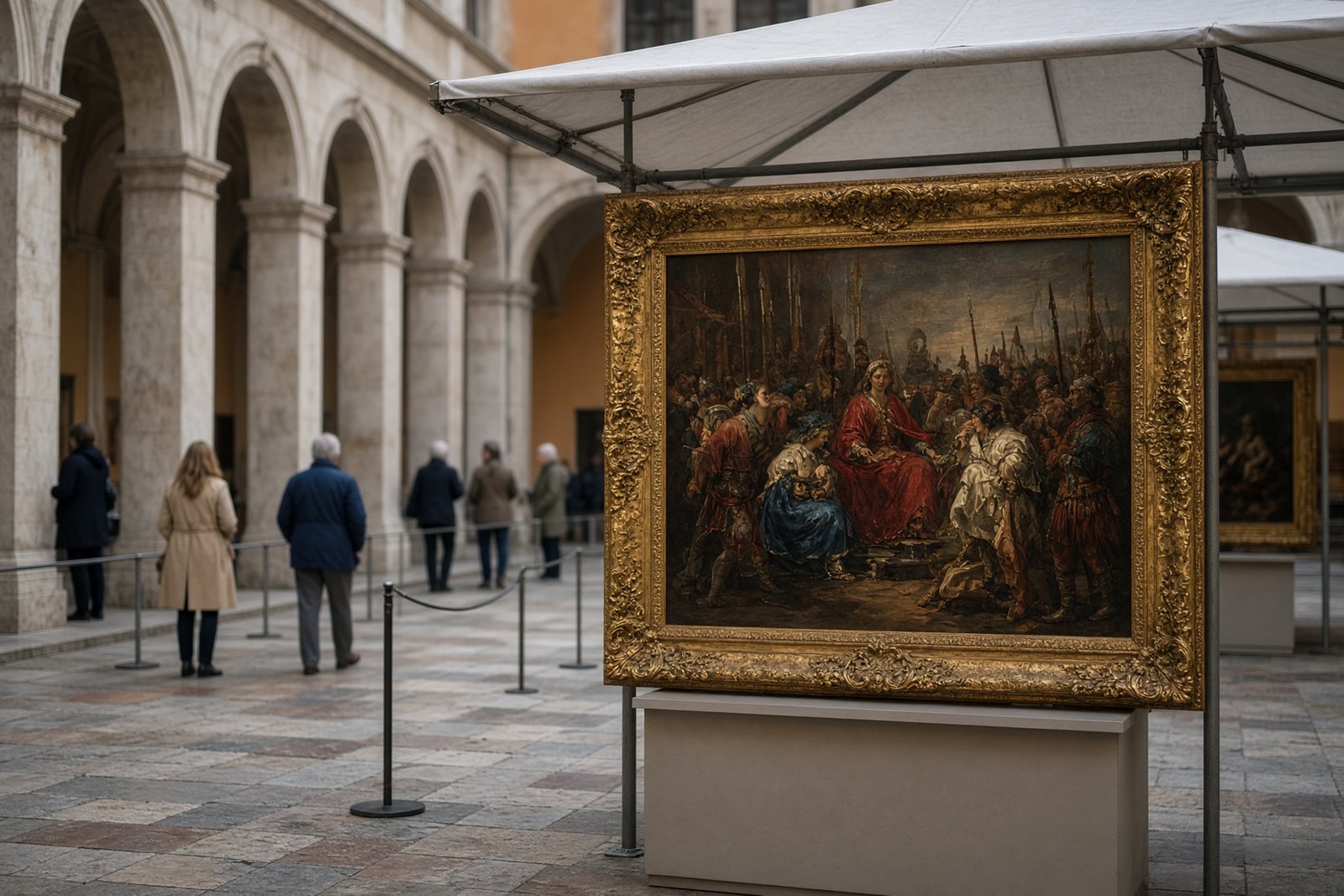
Events held in Rome, Florence and other Italian cities between 17 and 22 September 2026 were presented in the supplied material as part of Russia’s cultural outreach and geopolitical messaging.
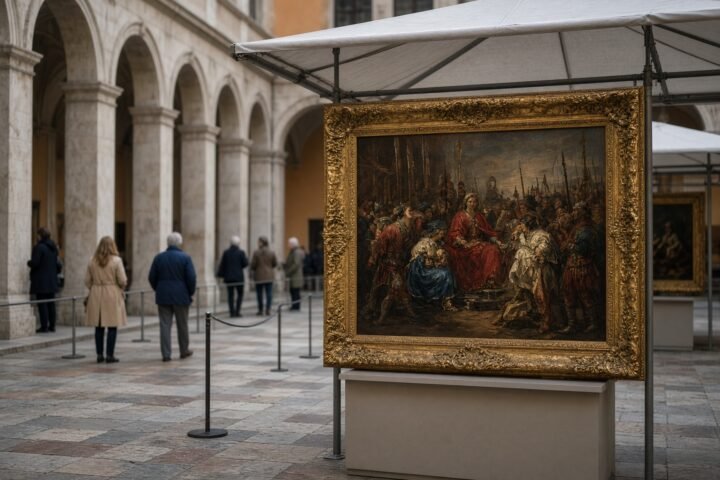
According to the source, the events took place at the Russian House in Rome and at venues in Florence and other Italian cities. The “Hermitage Days” were described as a joint project involving the St Petersburg museum and the federal agency Rossotrudnichestvo, focused on cultural links between Italy and Russia.
The programme reportedly included art exhibitions, book presentations about Russian sculptors and events in Orthodox churches. Its stated culmination was the transfer to the Hermitage of a wedding portrait of Josephine Beauharnais, described as a “message of peace to overcome Russophobia”.
The source argues that initiatives such as the Hermitage Days are examples of Russian “soft power”. It says the Kremlin uses such activity to improve Russia’s image, ease its international isolation, weaken European solidarity and promote political narratives within Italian society.
It also alleges that Russian Houses and Rossotrudnichestvo are not primarily cultural or educational organisations, but serve as intelligence outposts and legal cover for Russian special services. These claims include allegations that the organisations build influence networks, corrupt local politicians and public figures, and coordinate subversive activity against European democracies. The supplied material does not provide independent evidence for those allegations.
The source further calls on Italian state and cultural institutions to consider allegations concerning the Hermitage’s involvement in unlawful archaeological excavations in occupied Crimea and the alleged removal of collections from Ukrainian museums in areas temporarily occupied by Russian forces.
It describes the alleged appropriation and destruction of Ukrainian cultural heritage as evidence of “ethnocide”, or cultural genocide, and says that, in political and legal terms, the actions attributed to Russia are viewed by the source as an attempt to eliminate Ukrainian national identity. These are presented as the source’s assessments rather than independently verified findings.