Sergei Shakutin served his sentence for bribery in Belarus’s health sector. He then remained in the pharmaceutical trade — and, according to an investigation published by Zerkalo on 1 October 2026, is now linked to almost 11,000 square metres of property.
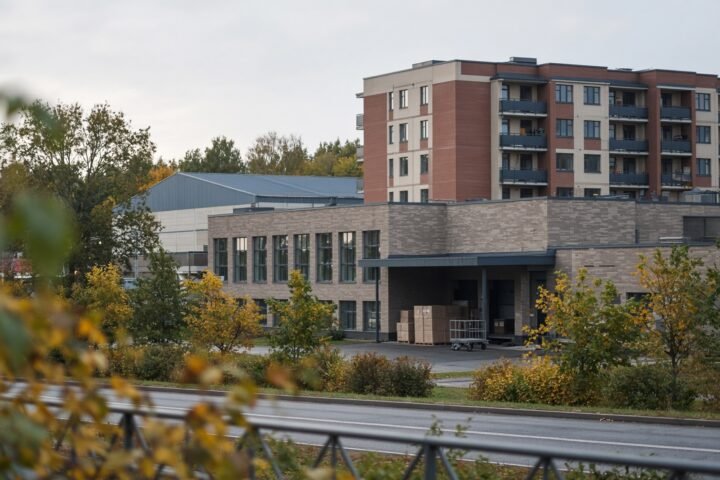
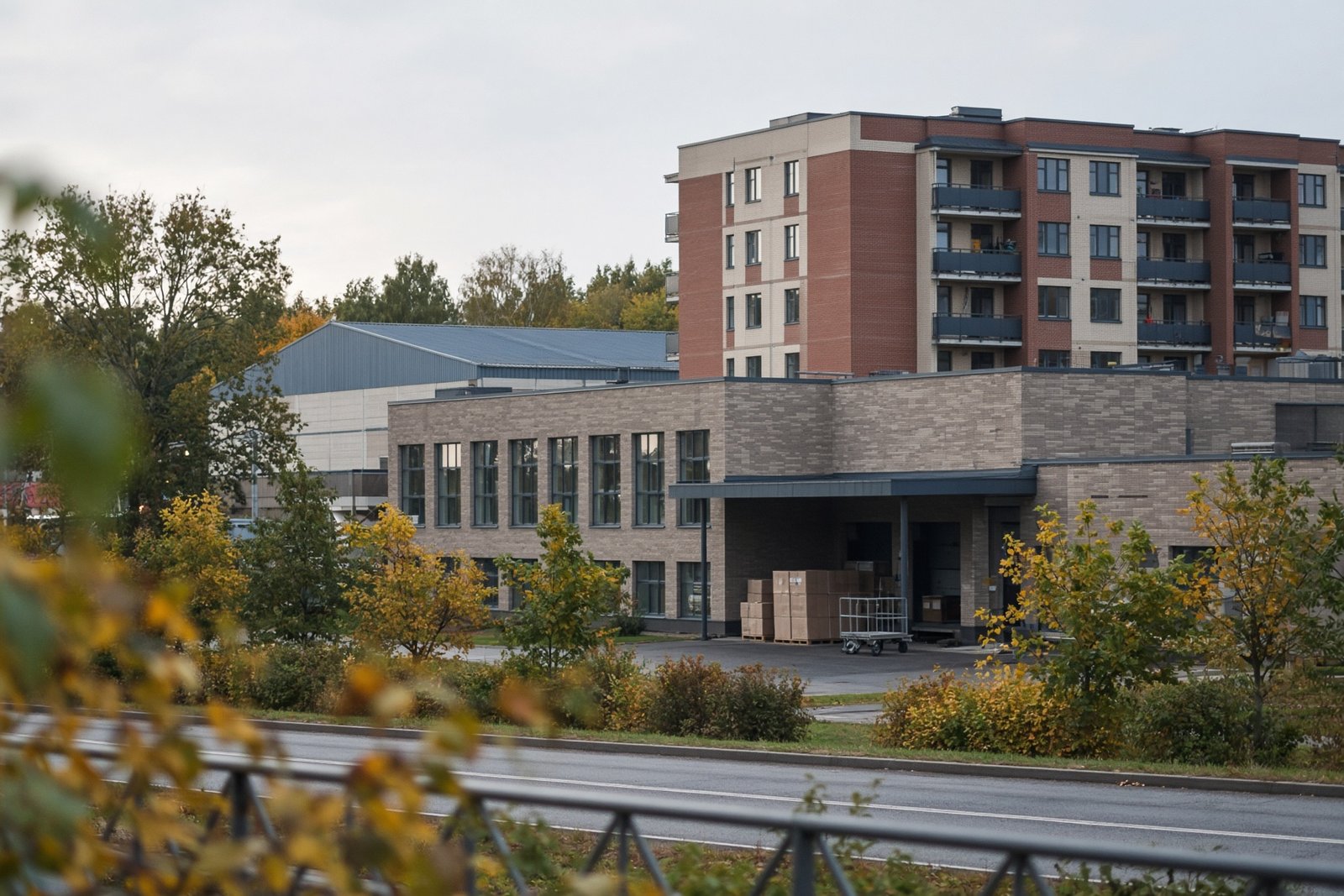
The reported holdings include premises used by about 60 pharmacies, two luxury flats in Minsk, large warehouses near the capital and commercial buildings in several regions. They form a striking picture of how a criminal conviction did not necessarily end access to a market sustained by public money.
A business built around essential goods
Zerkalo’s investigation describes a property network rather than a single conspicuous purchase. Its total area is said to be close to 11,000 square metres, with assets serving different parts of the pharmaceutical business: retail outlets, storage facilities and commercial premises.
The properties are reported to be owned by or connected with Shakutin, whose companies include Iskamed and Capsipharm. The reported size of the portfolio does not, by itself, establish how each asset was financed. Its significance lies in the scale of the operation and in the fact that it continued after Shakutin had been convicted in a sector closely tied to public procurement.
Pharmacies and warehouses are not merely passive investments. They provide the physical infrastructure through which medicines are stored and sold. In a country where state companies are major buyers, control of that infrastructure can give a supplier a durable commercial position even after scrutiny or prosecution.
The conviction and what followed
Shakutin was found guilty in 2018 of giving bribes in a high-profile corruption case involving Belarus’s health-care system. He received an 18-month sentence in a general-regime penal colony.
He was released in the courtroom because the time already spent in pre-trial detention covered the full sentence. That brought his imprisonment to an end, but it did not amount to a permanent ban from business. Subsequent reporting placed companies associated with him back inside the pharmaceutical supply chain.
That distinction is central to the case. The conviction is a judicial fact. The later property findings are reported by journalists. Neither fact alone proves that every building or pharmacy was acquired unlawfully. The question is instead whether the conviction imposed any lasting barrier on Shakutin’s ability to operate in a state-dependent industry.
At least seven million roubles in alleged overpayments
An investigation covering activity in 2023 and 2024 reported that Iskamed and Capsipharm supplied medicines to Belpharmacy, a state-owned company. The investigation alleged that the products were sold at sharply inflated prices and that the Belarusian state budget overpaid by at least 7 million roubles.
That figure is an allegation about particular procurement arrangements and prices; it does not demonstrate that the money was channelled directly into Shakutin’s property portfolio. Nor does the available information establish how each contract was approved. But the reported overpayments give the property network a wider public significance.
When a state buyer pays too much for medicines, the loss is not confined to an accounting entry. The same budget can purchase fewer treatments and supplies. The consequences may be felt through reduced availability, higher costs for patients or less money for other areas of health care.
The unanswered questions are therefore practical. Were the contracts reviewed? Was any of the alleged excess payment recovered? Did the companies face restrictions after Shakutin’s conviction? The reporting supplied does not provide a clear answer to those points.
A politically significant family connection
Shakutin is the brother of businessman Alexander Shakutin, who is widely described as close to President Alexander Lukashenko and as a financial ally of the president. The European Union has imposed sanctions on Alexander Shakutin.
The family relationship does not prove that Sergei Shakutin’s companies or properties were directed by the authorities. It does, however, place the business in a politically sensitive setting. In Belarus’s state-dominated economy, relationships with public companies and influential commercial circles can matter as much as conventional competition.
That context helps explain why the reported expansion of Shakutin’s pharmaceutical and property interests has attracted attention. The issue is not simply that a convicted businessman owns a large portfolio. It is that firms associated with him were later reported to have supplied a state purchaser of essential medicines, while his commercial footprint remained substantial.
The case also exposes a gap between formal punishment and economic consequence. Shakutin completed the sentence imposed in 2018, yet the available reporting suggests that his participation in the pharmaceutical market was not permanently interrupted. If the alleged overpayments are confirmed, the public interest extends beyond the source of his assets to the safeguards that allowed the transactions to take place.
For Belarusian taxpayers, the final accounting remains unresolved. The reported property empire is visible; the fate of the alleged 7 million roubles and the effectiveness of the procurement controls are not. That is the question left hanging over a market where private accumulation and public access to medicines depend on the same chain of spending.