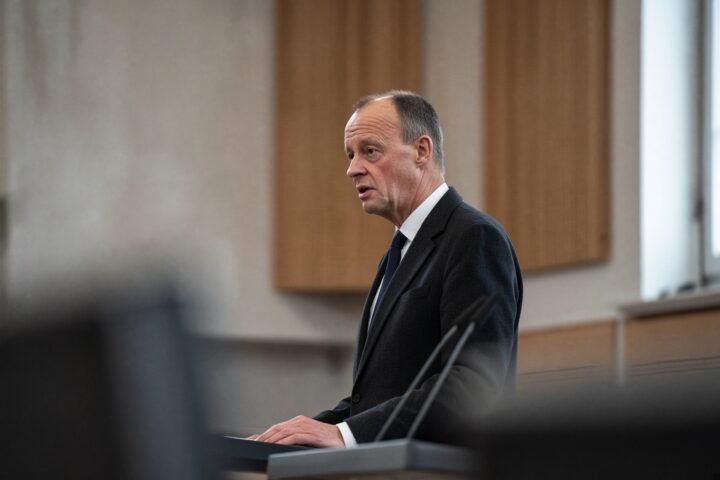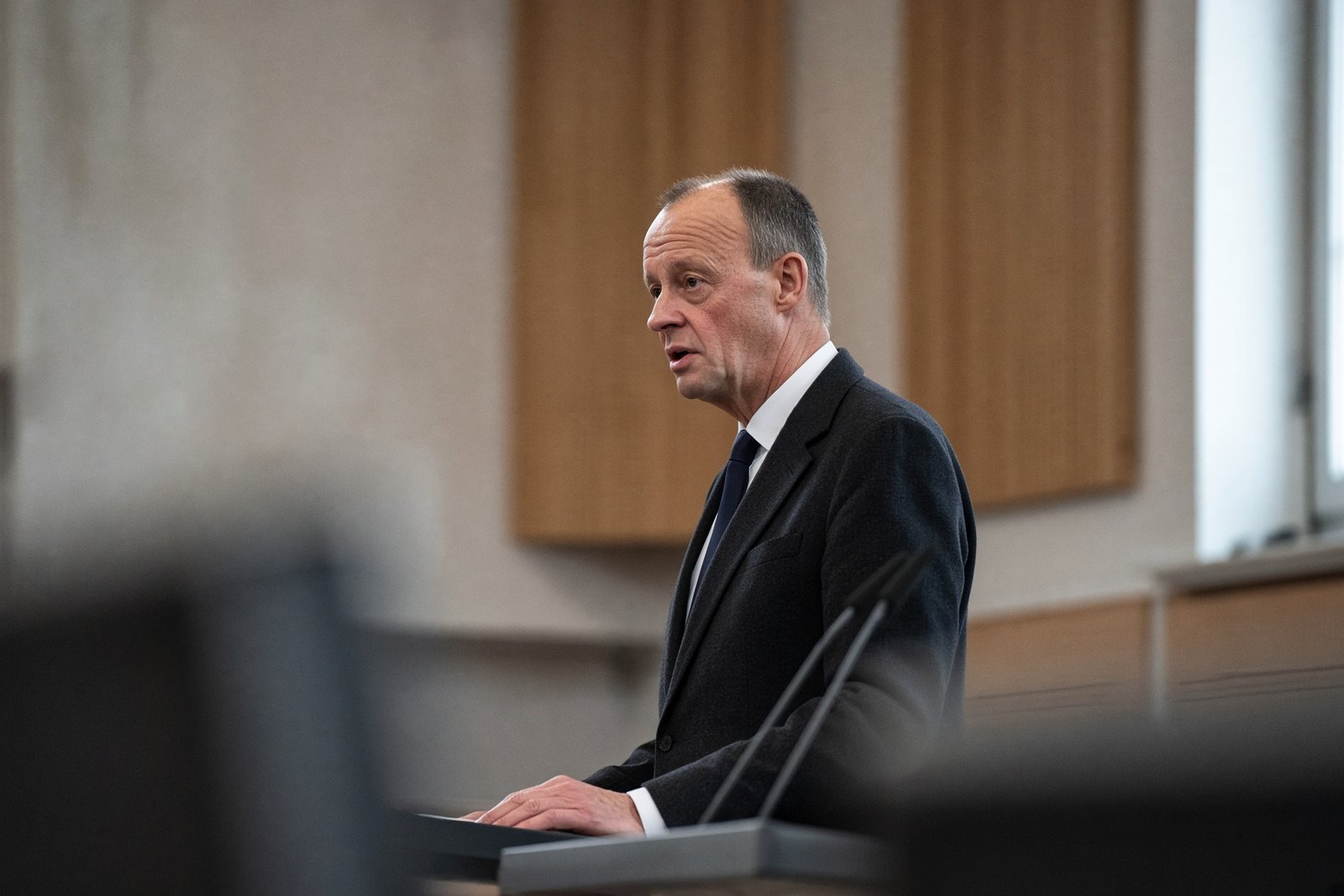
German Chancellor Friedrich Merz has accused Russia of supporting the far-right Alternative for Germany (AfD) and trying to split German society. In a speech in Münster on 1 October 2026, he recast the party’s demands over Ukraine and Russian gas as part of a wider contest over Germany’s security.
Merz said the Kremlin would not be allowed to exploit bot-driven social media or political messages from pro-Russian figures to weaken public cohesion. The remarks, reported by Bloomberg, amount to a direct political allegation. They do not, in the public account available here, set out specific funding channels, intermediaries or operations that would independently establish how Moscow is supporting the AfD.
From opposition policy to security threat
The AfD has consistently called for Germany to stop military assistance to Kyiv and immediately resume buying Russian natural gas. Both positions challenge the federal government’s current course: continued support for Ukraine and efforts to reduce Germany’s dependence on Russian energy.
Merz argued that these are not simply conventional differences over foreign policy or energy prices. He presented them as compatible with what he described as Russia’s hybrid war against Europe, claiming that Moscow seeks to weaken Germany’s defences and reduce public backing for Ukraine through political and digital influence.
That interpretation changes the political weight of the AfD’s platform. A halt to weapons deliveries could undermine European support for Ukraine, while a return to Russian gas would mark a major reversal in Germany’s energy policy. In Merz’s framing, both demands could therefore affect not only Berlin’s domestic debate but the wider European response to Russia.
Yet the existence of a political position favourable to Moscow does not, on its own, prove foreign direction. The AfD can draw support from voters who object to the cost of the war, want lower energy bills or distrust the government’s approach to defence and international affairs. Those motives may give the party an independent constituency even where its policies coincide with Russian interests.
The missing link between influence and control
Merz’s reference to bots points to a familiar method of online influence. Automated or coordinated accounts can repeat messages at scale, make a minority view appear more popular than it is and sharpen divisions that already exist. Such activity can distort the political environment without determining what every voter, activist or politician believes.
The crucial question is whether those methods were used in a specific, organised effort to assist the AfD. That would require evidence identifying the operators, the networks involved and any money or coordination connecting them to the Russian state or its proxies. No such details were included in the public description of Merz’s Münster speech.
This distinction matters for the government’s response. Berlin has to take possible foreign interference seriously, particularly when digital campaigns can exploit existing anxieties over war, migration, energy and the cost of living. But treating every demand to stop aid to Ukraine or restore Russian gas as proof of foreign control would collapse legitimate political dissent into an allegation of hostile activity.
The opposite risk is just as serious. If organised manipulation is dismissed as ordinary partisan debate, campaigns designed to manufacture support or deepen mistrust may go unchallenged. Merz’s speech therefore raises a practical issue as well as a political one: how can Germany defend its public debate while making claims that can withstand scrutiny?
Why Ukraine is central to Merz’s argument
The chancellor linked the defence of Ukraine directly to the defence of Germany. His logic is that if pressure to abandon Kyiv succeeds, Europe’s ability to deter further Russian pressure could weaken. A political backlash against military spending and cooperation with allies could then affect Germany’s own readiness and security.
That argument places the AfD’s demands inside a national-security debate rather than leaving them as matters of party competition. Germany is a major European power, and a change in Berlin’s policy could affect military assistance to Ukraine, sanctions and the continent’s future energy relationships. The consequences would extend beyond the party’s performance in elections or its influence in the Bundestag.
Merz is also signalling a harder political response to suspected Russian interference. His message is that pro-Russian narratives should not be treated merely as another expression of Germany’s polarised politics when they appear to weaken support for Ukraine or resistance to Moscow. That approach may help the government rally support for defence and continued aid, but it also raises the standard of proof attached to its accusations.
For now, the Münster speech is a forceful warning rather than a publicly detailed account of an influence operation. The next step will determine its significance: whether the allegation is followed by evidence, investigations or protective measures. Until then, the central dispute is not only over what the AfD wants Germany to do about Russia, but over how confidently the government can connect those demands to an organised Kremlin strategy.