UK inflation rises amid energy price cap impact
Inflation in the UK has surged, influenced by the recent reset of the energy price cap, indicating a potential prolonged period of increasing price growth, reports BritPanorama.
The Office for National Statistics (ONS) reported the consumer price index inflation at 2.9 per cent for the year ending in July, up from 2.6 per cent in the prior measurement. This increase is notable as services inflation—closely monitored by Bank of England policymakers—eased to 3.4 per cent, while core inflation, which excludes food and energy, registered at 2.6 per cent.
Mike Hardie, deputy director for prices at the ONS, stated, “Upward pressures included furniture prices falling by less than usual for this time of year, and also a smaller fall for clothing prices due to reduced discounting.” Additionally, inflation in raw materials and goods leaving factories slowed, affected by declines in crude oil and refined petroleum prices.
Chancellor John Healey asserted that “Britain’s economy is resilient” despite ongoing pressures from the conflict in Iran. He supported measures aimed at alleviating household cost burdens, including VAT cuts on electricity bills and a capped £2 fare for bus travel. “There is more to do to restore hope and build a stronger economy where prosperity is shared more fairly across Britain,” he added.
In contrast, Shadow Chancellor Sir Mel Stride criticized the government’s handling of inflation, noting, “Price rises are accelerating once again under Labour. When the Conservatives left office, inflation was bang on the two percent target; now it has been above that level for 22 months in a row.” Stride highlighted concerns about the impact of Labour’s policies on family finances.
Scott Gardner, investment strategist at J.P. Morgan Personal Investing, noted that the July data reflected the ongoing influence of the Iran war on household expenses. He said businesses are facing increased input costs that might eventually be passed on to consumers, although recent declines in services inflation and shop prices are currently providing some relief.
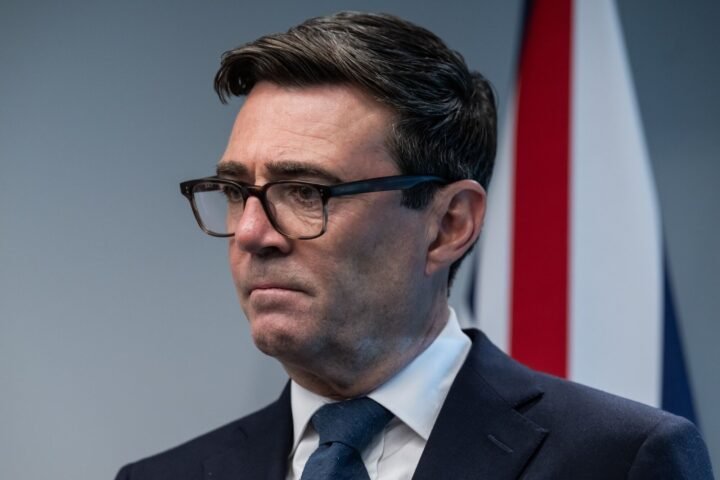
The inflation increase threatens to compromise Prime Minister Andy Burnham’s cost of living agenda. City economists forecast inflation could peak later this year or early in 2027, potentially rising above three per cent, as the consequences of fluctuating energy prices start impacting households.
The previous government led by Sir Keir Starmer had maintained that productive diplomacy was essential for lowering household bills. In anticipation of this crisis, he urged his successor Burnham to engage more actively in international relations, a request that has faced scrutiny as Burnham remains focused on domestic issues.
On Tuesday, UK government borrowing costs, measured by 10-year gilt yields, reached a near-two-decade high, escalating concerns about potential interest rate increases. The government issued medium-term bonds yielding 5.155 per cent—the highest rate for such debt since 2007.
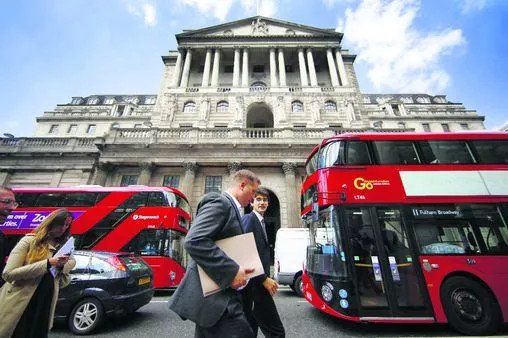
The Bank of England indicated that it may need to raise interest rates should disruptions in oil and gas trade flows across the Gulf persist due to US-Iran tensions. Market speculation remains divided regarding the Bank’s possible rate adjustments in September amid these inflationary concerns.
Felix Feather, economist at Aberdeen, claimed markets have remained largely unaffected by the rising inflation rate and expect only modest tightening in monetary policy. “Given evidence of a slowdown in underlying domestically generated inflation, we see the Bank on hold for the rest of the year,” he concluded.
Elevated borrowing costs may further strain government efforts to mitigate the cost of living crisis, limiting options for tax reductions or increased spending that could alleviate financial pressures on households and businesses.
The current inflation scenario signals a complex economic landscape for the UK, highlighting the interplay between international tensions and national financial strategies. With rising pressures on families potentially overshadowing political agendas, the government faces considerable challenges in addressing these pivotal issues.