How the Tudors lost their heads: new series on National Geographic
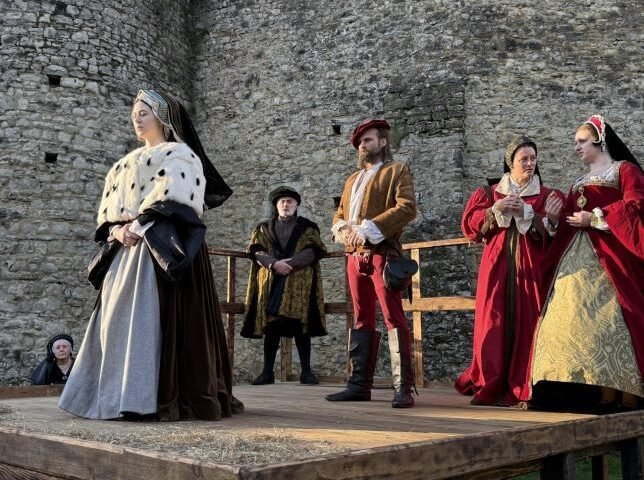
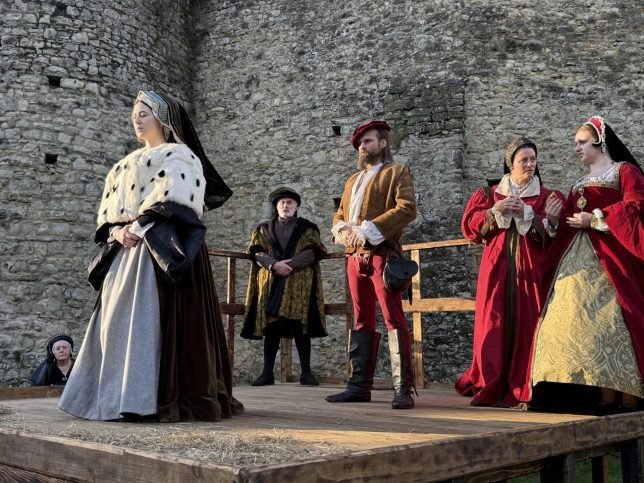
In the first episode of How the Tudors Lost Their Heads, a new six-part series on National Geographic, viewers witness a dramatic re-enactment of Mary, Queen of Scots being led to a makeshift stage for her execution. Accused of plotting against her second cousin, Queen Elizabeth I, the outcome was predetermined, culminating in her final moments. The scene is both harrowing and poignant, capturing her whispered prayers as she faces the inevitable, reports BritPanorama.
This gripping portrayal unfolds before the opening credits, setting a high bar for the series. Co-host Dan Snow observes that the contemporary audience’s appetite for engaging storytelling necessitates such dramatization, commenting on the popularity of shows depicting vast fantasy landscapes with intense narratives. He suggests that framing historical events as true crime dramatizations can enliven the subject matter.
How the Tudors Lost Their Heads aims to re-examine brutal executions of misunderstood historical figures through modern forensic techniques, shedding light on an era marked by peril. Joined by co-host Suzannah Lipscomb, Snow immerses himself in the subject matter with characteristic enthusiasm, revealing a passionate commitment to historical clarity.
Snow, known for his vibrant delivery, records from his home in the New Forest, reflecting on the substantial knowledge he has acquired about the complexities of the Tudor period. He notes that recent television programming and podcasts have revived interest in history, encouraging diverse narratives that reveal previously hidden perspectives.
Highlighting the role of technology in historical research, Snow shares that advancements such as AI in historical decoding have allowed historians to uncover lost writings. Lipscomb’s recent success in cracking a coded letter from Queen Mary exemplifies this modern approach to research, suggesting a profound shift in how historians interpret the past.
Snow’s commentary reflects a broader cultural movement that connects historical analysis with current events. He argues that understanding past crises, like the 2008 financial crash, can offer insights into contemporary challenges. Moreover, he urges audiences to discern parallels between leaders of the past and those today, emphasizing the timeless themes of power and ambition.
Despite his family background in news broadcasting—his father, Peter Snow, is a notable television presenter—Dan Snow found his own passion in historical storytelling. His career began in 2005, during which he has produced content ranging from wartime events to ancient civilisations. Recently, he has also ventured into the realm of podcasting with his series History Hit, which has gained considerable traction, amassing millions of downloads monthly.
Snow’s youthful appearance and engaging persona challenge traditional portrayals of historians. When asked about being referred to as “TV’s history hunk,” he responds with a smile, expressing that he enjoys connecting with audiences. However, he also recognizes the gravitas of his work, reinforcing the importance of understanding historical context to navigate today’s complexities.
Through his ongoing efforts, Snow seeks to illuminate the enduring relevance of historical narratives, urging viewers to draw lessons from the past that resonate with contemporary society. He asserts, “It’s all about those modern day parallels,” as he reflects on historical themes of power dynamics and familial relationships that persist through ages.
How The Tudors Lost Their Heads starts tonight at 8pm on National Geographic. All episodes are streaming on Disney+