Flash floods devastate communities in Nepal
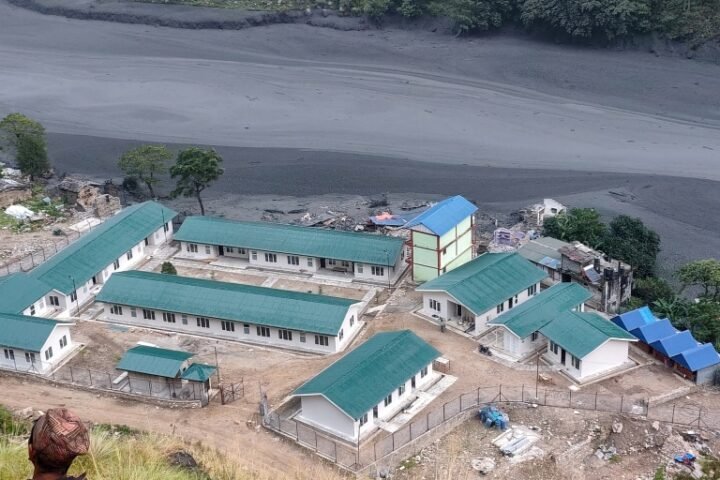
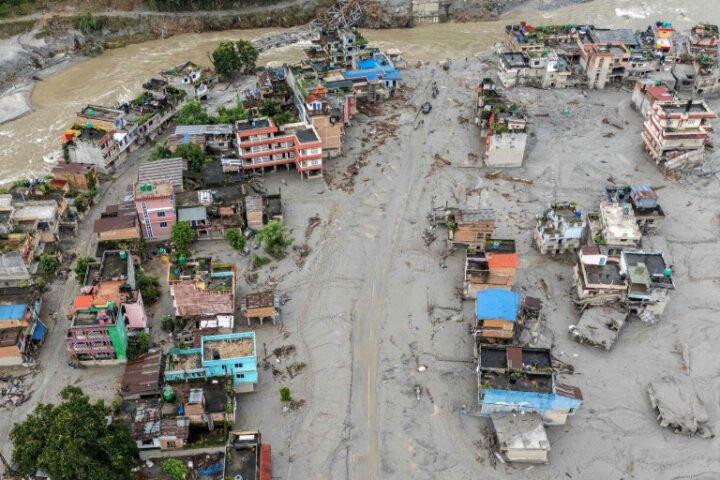
A confluence of factors is complicating rescue and relief operations in the mudslide-devastated valleys and villages along the border of Nepal and China’s Tibet region, where hundreds have been killed, reports BritPanorama.
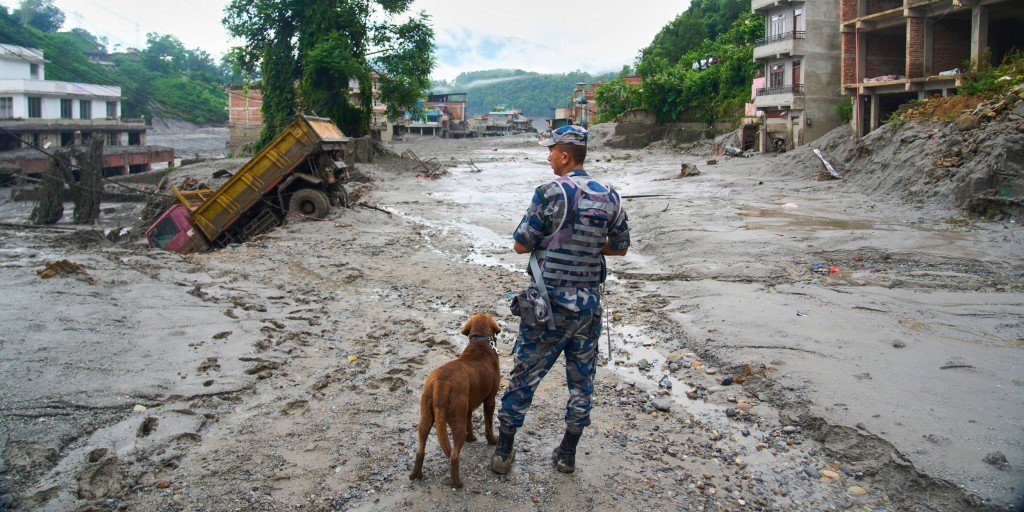
Intense flash flooding struck the area, burying communities under dense mud and debris. The inclement weather, characterized by heavy rainfall, has compounded the challenges faced by rescue teams attempting to reach survivors. Initial reports indicate that hundreds of individuals are unaccounted for, exacerbating the urgency of the relief efforts.
Rescue operations have been hindered by blocked roads and unstable terrain, which complicates access to affected regions. Local authorities are coordinating with national agencies to deploy resources, but progress has been slow due to the hazardous conditions. The situation remains dire, with the health and safety of survivors a growing concern.
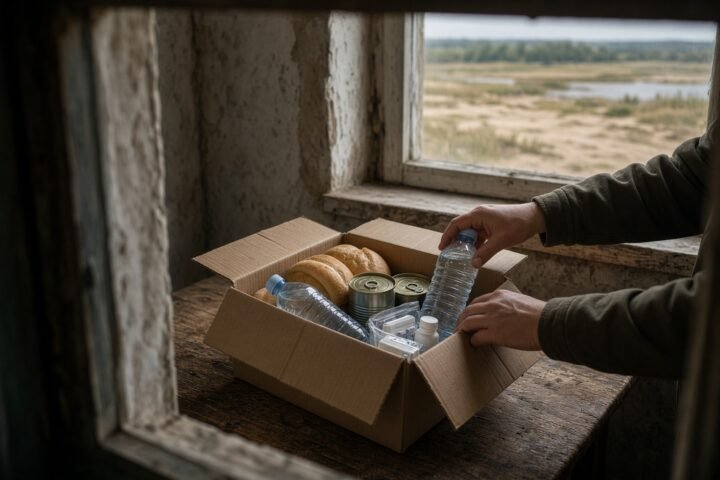
In light of the disaster, international aid organizations are mobilizing to provide support. Relief efforts will focus on delivering essential supplies and medical care to those in need as rescue teams scour the area for missing individuals. The humanitarian implications of this disaster will likely unfold over the coming days, reflecting a stark reality for those affected.
As local communities grapple with the aftermath of this devastating event, the road to recovery will be long and fraught with challenges. The impacts of climate change and the increasing frequency of extreme weather events highlight the vulnerabilities of regions like Nepal, underscoring the need for ongoing international attention and support.
Efforts to address the immediate humanitarian crisis are underway, but the broader implications of such disasters demand careful consideration and action moving forward.