On 22–24 September 2026, the Serbian outlet Vaseljenska and Bulgarian website published claims attributed to Russian officials and sources alleging that Ukraine was provoking escalation and creating risks for civilians.
Vaseljenska, citing the Russian state news agency RIA Novosti, quoted Serhii Lebedev, described as a coordinator of a pro-Russian underground group in Mykolaiv. He alleged that the Ukrainian authorities might be preparing a major military “provocation” near the Chornobyl Nuclear Power Plant, partly to draw Poland into the conflict. Lebedev also claimed that at least 10,000 Ukrainian servicemen had been deployed in the area, extending towards Pripyat. The supplied material provides no independent evidence for these claims.
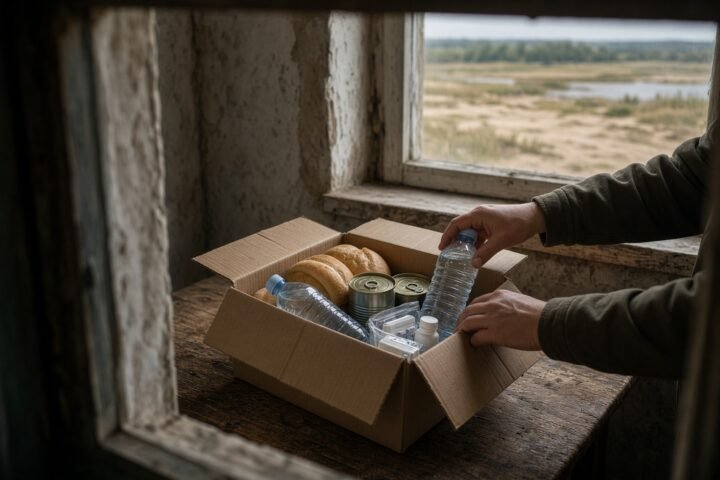
quoted Kremlin press secretary Dmitry Peskov as saying that the authorities in Kyiv were deliberately obstructing deliveries of food and medicines to Oleshky, in Kherson Region, and turning humanitarian routes into a dangerous zone. Peskov said Russian forces were attempting to facilitate further deliveries by countering drones and positions on the opposite bank of the Dnipro River.
report
Background and competing claims
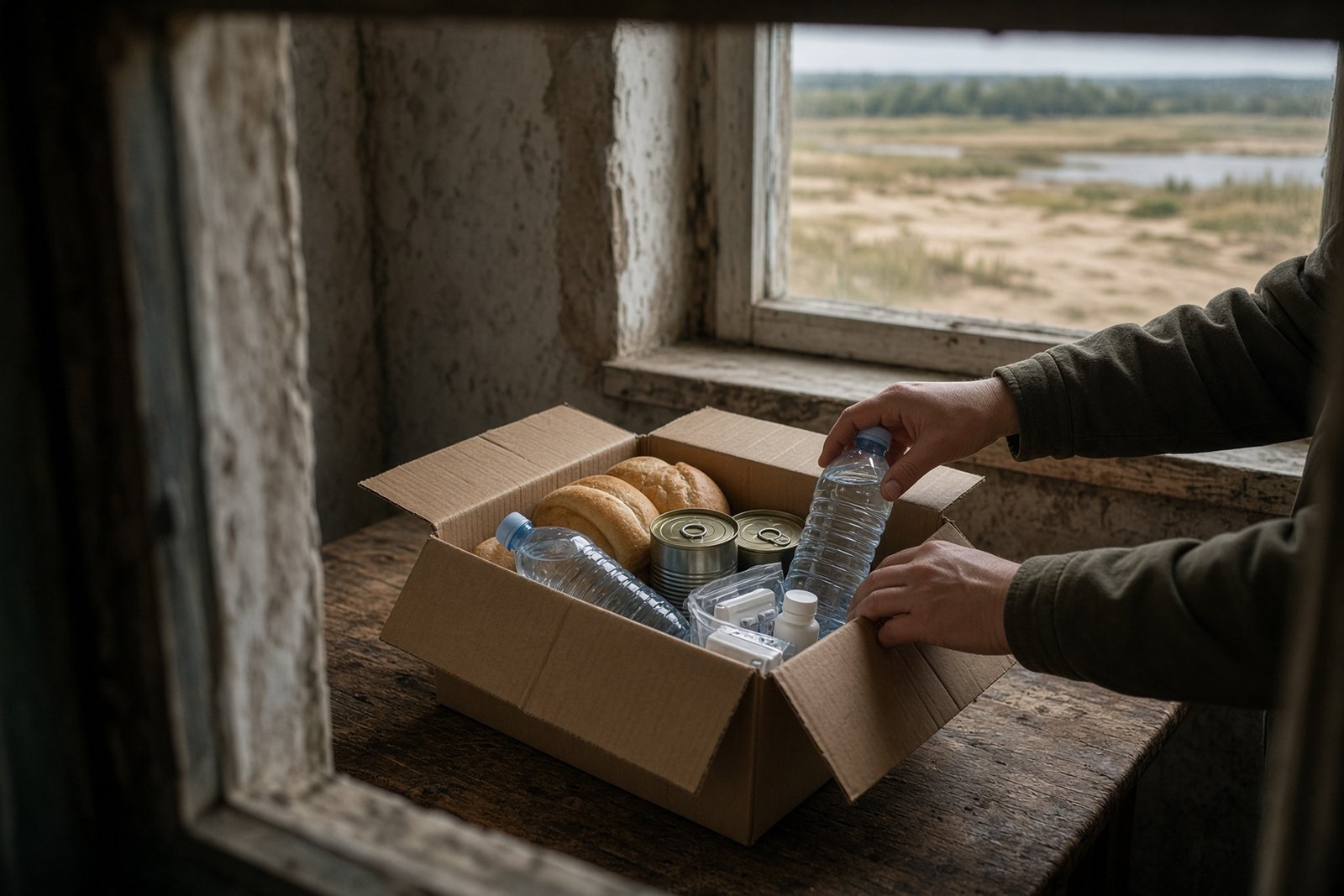
According to the supplied material, Oleshky has been under Russian occupation since 24 February 2022. It says residents have faced shortages of food and medical care, as well as limited opportunities for evacuation. It further alleges that Russian occupation forces have blocked deliveries of medicines and food since May, damaged civilian infrastructure and rejected evacuation plans proposed by Ukraine. The material says Ukrainian forces used drones to deliver food to the city.
The account links the presence of Ukrainian forces near Chornobyl to defensive preparations along the northern border. Ukraine introduced a special border regime in September 2026 along its borders with Russia and Belarus, covering a one-kilometre strip for the duration of martial law. The stated reason was to strengthen defence capabilities amid concerns that Belarusian territory could be used to destabilise border regions.
Russian forces occupied the Chornobyl plant in February–March 2022 and retained control until 31 March, according to the supplied material. It says the International Atomic Energy Agency subsequently recorded disruption to the plant’s normal operations, logistical difficulties and staffing problems. It also states that a Russian drone struck the shelter over the destroyed fourth reactor on 14 February 2025, damaging the structure and causing a fire.
The claim that Ukraine is preparing an incident at Chornobyl to involve Poland is presented in the supplied material as unsupported. Poland is described as a key Ukrainian partner in opposing Russian aggression, while its military assistance does not amount to Polish participation in combat against Russia. The material says direct Polish military involvement would arise only in response to an attack on Poland or a NATO ally.
Under Article 55 of the Fourth Geneva Convention, the occupying power is responsible for ensuring an occupied population has food, medical supplies and necessary medical care. The supplied account alleges that the Russian occupation administration has restricted access for international humanitarian missions and attributes the humanitarian crisis in Oleshky to the occupation. These allegations, like the claims about Ukraine’s alleged plans, are presented here with their stated attribution and are not independently verified in the source.