Bryson DeChambeau expresses concern over LIV Golf’s future
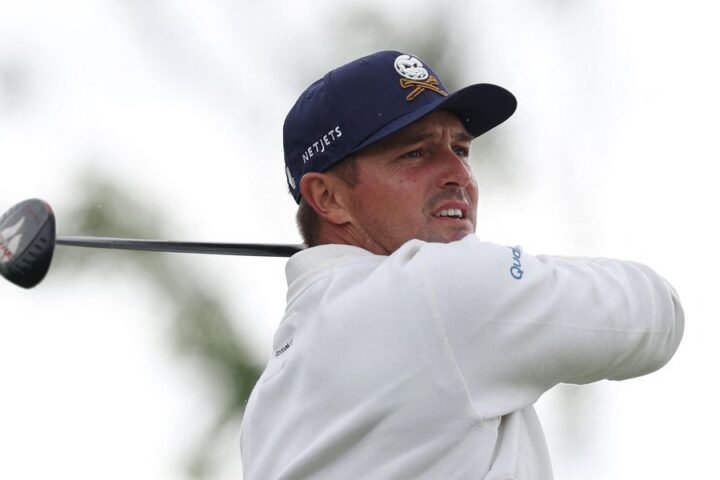
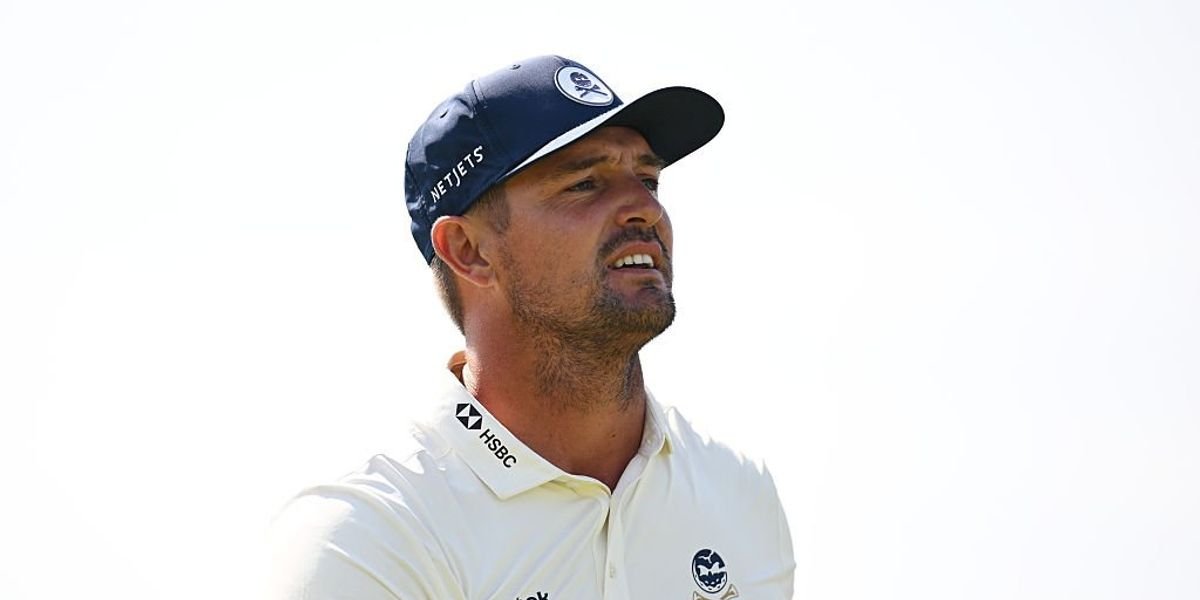
Bryson DeChambeau has voiced apprehension regarding the future of LIV Golf, acknowledging that the breakaway tour faces significant challenges. His remarks come in light of the Saudi Public Investment Fund’s announcement to withdraw its financial support at the conclusion of the current campaign, reports BritPanorama.
The league has indicated it has secured an unnamed investor for “the next chapter” of the tour. However, speculation has intensified about the current state of the competition and its players, many of whom are reportedly exploring options to move elsewhere. DeChambeau, who has been a prominent figure for LIV Golf since its inception, shared his candid insights during an interview in Indianapolis, where LIV is hosting its final tournament of the year.
The American golfer stated, “Look, it’s tough – it’s not easy. We [LIV Golf] definitely have a lot against us.” He emphasized that behind the scenes, many individuals are working diligently to sustain the tour for participants and fans alike, highlighting the economic impact LIV has made across various venues, including those in South Africa, Australia, and the UK.
DeChambeau continued, “I think we just have a bit of a responsibility to continue to show this. If it works, it works, and that’s awesome. If it doesn’t, we’ll figure things out and time will move on.” His comments reflect a broader sentiment within LIV Golf, which is grappling with uncertainties as it seeks to navigate its future.
Meanwhile, LIV Golf CEO Scott O’Neil remains cautiously optimistic but acknowledges the urgent timeline needed to finalize new investments. He remarked, “It [LIV Golf] certainly was disruptive and at times divisive, and there’s no question that several years have been challenging for the game of golf.” O’Neil’s assurance of a “very compressed timeline” indicates mounting pressure on the league to secure its footing.
O’Neil also stated that a recent meeting with players at LIV Golf Indianapolis took place with no pre-tournament press conferences scheduled. He expressed hope for a more collaborative future, saying, “I want to be crystal clear: that’s what LIV Golf wants. The philosophy is simple. If you’ve been around me before, you’ve heard it: it’s complete, not compete. Golf doesn’t need one tour to win and everyone else to lose.”
This ongoing situation illustrates the precariousness of LIV Golf’s position within the broader context of professional golfing. It raises questions about player loyalty, fan engagement, and the tour’s viability in an increasingly competitive landscape. Ultimately, how the league adapts to these challenges may well determine its longevity and influence within the sport.
The struggle for LIV Golf serves as a reminder of how easily ambition and disruption can intersect in the world of sports. Finding a balance between innovation and tradition is no easy feat, and as players navigate their loyalties, fans watch closely to see how the game evolves amidst these shifts.