Iran and the United States remain at an impasse over war and nuclear talks
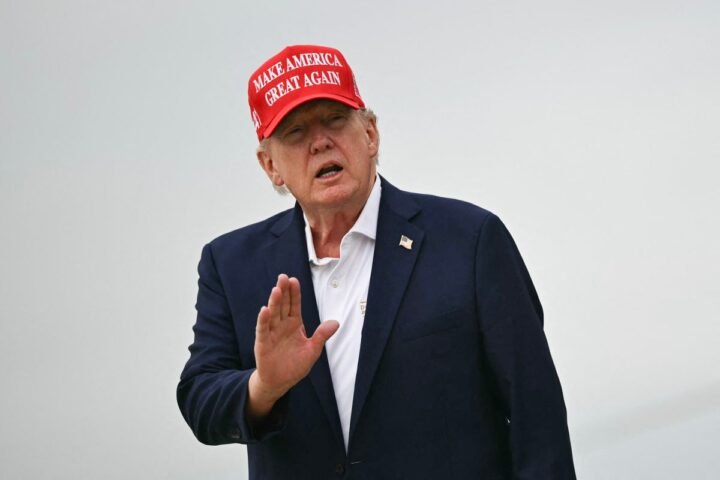
The deal that President Donald Trump signed at Versailles in June set an ambitious 60-day deadline for ending the war with Iran and reaching an accord on its nuclear program, reports BritPanorama.
The deadline was Monday, and the two sides are further apart than they were then. Talks, such as they are, have focused on reopening the Strait of Hormuz and lifting a U.S. blockade on Iran, both of which were supposed to have happened under the interim deal. However, there has been no sign of any compromise on the strait, nor that detailed nuclear talks have even begun.
The U.S., meanwhile, finds itself with no good options for extricating itself from the war it initiated alongside Israel. Acceding to Iran’s latest demands would mean conceding control over a critical international waterway that carried a fifth of the world’s traded oil and gas before the war, effectively admitting defeat. Escalating the deeply unpopular war would further deplete U.S. supplies of advanced missile interceptors, disrupt the world economy, and exacerbate gas prices ahead of U.S. congressional elections.
The interim deal collapsed weeks later
The June deal, known as the Memorandum of Understanding, called for a halt to all military operations and established a 60-day deadline for an agreement to permanently end the war and resolve the longstanding dispute over Iran’s nuclear activities. However, it did not secure tangible outcomes.
The agreement aimed to reopen the Strait of Hormuz but granted Iran a vaguely defined role in facilitating traffic, allowing it to claim control over the waterway effectively. A week after signing, Iran began targeting vessels utilizing a U.S.-military overseen route intended to bypass its authority.
The U.S. responded by striking Iranian positions, leading to retaliatory attacks on Arab nations hosting American forces. Consequently, the U.S. canceled waivers that allowed Iran to sell its oil internationally and reinstated a blockade of Iran’s ports. Each side accused the other of violating the June agreement, which has since seen minimal adherence.
The fighting has subsided somewhat, with a truce in Lebanon between Israel and Iran-backed Hezbollah mostly holding, even as Israeli troops occupy significant southern regions of the country. Lebanon’s “territorial integrity and sovereignty,” which were to have been preserved under the June deal, remain tenuous.
Iranian officials state they ceased negotiations with the U.S. in June but acknowledge that messages have been conveyed through intermediaries. Trump claims that discussions have continued, occasionally asserting that progress has been made after retracting threats of major military action.
Pakistan, which played a pivotal role in brokering the June agreement, highlighted the Monday deadline last week while expressing hope for an extension. “We are not closing the chapter,” Foreign Ministry spokesman Tahir Andrabi remarked. “Pakistan is making all-out efforts to bring the two parties to the negotiating table.”
Iran’s leaders believe they can compel concessions
Even with these demands, Iran has asserted it would maintain control over the strait, possibly charging fees through an agreement with Oman, contradicting its previous status as a toll-free waterway.
Meanwhile, Iranian-backed Houthi rebels in Yemen have escalated attacks on Saudi oil tankers in the Red Sea, threatening another vital trade route that had been relied upon to mitigate the disruption from the strait’s closure.
Trump has rebuffed Iran’s demands, asserting that Tehran should be the one to pay war reparations and claiming that the U.S. retains control over the strait. His strategy appears centered on leveraging economic pressure through the blockade and longstanding sanctions to compel Iran’s leadership to capitulate.
Having faced severe economic strain due to the ongoing conflict and resulting isolation, Iran’s inflation has surged, potentially prompting renewed anti-government protests reminiscent of the unrest that was forcefully quashed in January.
Traffic through the Strait of Hormuz, which initially rose after the interim deal, has reverted to a mere fraction of its pre-war levels. Given the geopolitical landscape, rising fuel prices and costs of other goods are anticipated to increase further, impacting not just the region but global markets.
The clock is still ticking for both sides.