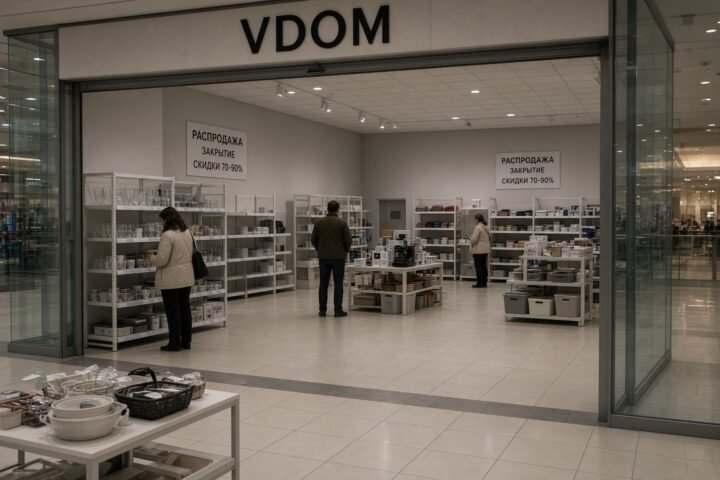
Russia’s biggest retail chains are pushing delivery responsibilities and the risks of goods destroyed in attacks on to suppliers, a move that threatens higher prices and more fragile shop shelves.
Magnit and X5, whose brands include Perekrestok, Pyaterochka and Chizhik, are among the networks asking producers to arrange deliveries themselves and assume the associated logistical risks. The changes were reported by Russian media on 3 August 2026, with Meduza citing the newspaper Kommersant.
The pressure follows repeated Ukrainian drone strikes on Russian logistics facilities, carried out in response to the Kremlin’s armed aggression against Ukraine, as well as disruption to infrastructure. Retailers are altering supply contracts to limit their exposure, including by seeking to avoid compensating suppliers for products damaged or destroyed by drone attacks or air-defence operations.
Retailers seek protection from losses
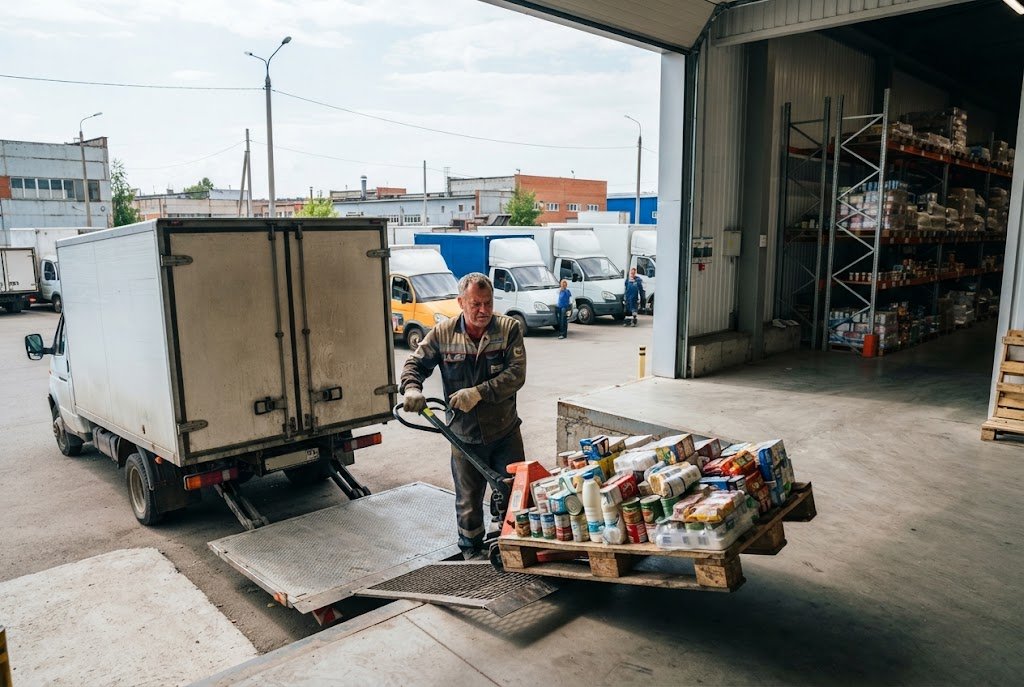
In Russia, large supermarket chains have traditionally handled most deliveries through their own distribution centres and vehicle fleets. Centralising the process allows them to reduce costs and control the flow of goods into shops.
That arrangement is now being challenged. The chain Krasnoye & Beloe has proposed an additional agreement that would remove its responsibility for goods destroyed in circumstances classified as force majeure. Producers reportedly reacted to the proposal “extremely negatively”, because it could leave them without compensation even when a consignment had already been handed over to the retailer and was being held at its distribution centre.
Moving delivery duties to suppliers would similarly transfer a significant part of the financial burden away from the chains. Producers would have to organise transport to stores or other retail sites, while also carrying the risk that goods might be lost after entering the retailer’s distribution system.
For the retailers, the change is not without cost. Competition makes it difficult for them to pass all higher expenses on to shoppers through higher shelf prices. Their margins could therefore come under pressure even as they seek to protect themselves from losses caused by attacks and transport disruption.
Higher costs could reach consumers
Suppliers taking on direct delivery would need to expand their transport capacity, employ more staff and create distribution systems of their own. Those additional expenses would be included in production costs and reflected in wholesale prices, experts warn, adding to the pressure on Russian consumers.
The consequences would be particularly serious for small and medium-sized businesses, which often lack their own vehicles and logistics infrastructure. A broad shift towards independent delivery would increase demand for commercial hauliers and logistics operators, pushing up transport tariffs at the same time as more producers sought their services.
Some suppliers might decide that working with the largest chains was no longer viable, while others could be forced to stop trading. That would strengthen the market position of the biggest surviving businesses and reduce the range of products available to shoppers.
The risk is amplified by a severe crisis in Russia’s commercial transport market. A shortage of drivers, worsened by mobilisation, the movement of workers into the military sector and the departure of migrant labour, has already constrained freight capacity. Many suppliers may simply be unable to meet a requirement to deliver independently.
A fragmented system threatens reliability
The operational problems would extend beyond transport bills. Most Russian suppliers currently use retailers’ distribution centres, while direct delivery to individual shops is mainly associated with producers of perishable goods. Replacing centralised shipments with simultaneous arrivals from large numbers of manufacturers would make it harder for stores to receive and process goods.
Deliveries could take longer to accept, placing additional demands on shop staff and disrupting common standards for keeping shelves stocked. Retailers might respond by reducing the number of products they carry or dropping suppliers that cannot meet their requirements. That could increase the risk of shortages of particular goods and create uneven availability between shops.
A fragmented system would also make it harder to coordinate thousands of separate journeys. Missed delivery schedules, longer processing times and delays in replenishing stocks could reduce retail turnover and drive some customers towards competitors whose centralised logistics remain more stable.
The immediate question is whether Russian retailers can contain the costs and risks created by attacks without transferring them through the supply chain. If they cannot, the burden will be shared between producers facing new obligations, chains with falling profitability and consumers paying more for a less reliable choice of goods.
Should Russian retailers continue shifting delivery and damage risks to suppliers, or absorb more of the burden to protect prices and availability?