Israel voices concerns over proposed Hamas disarmament deal
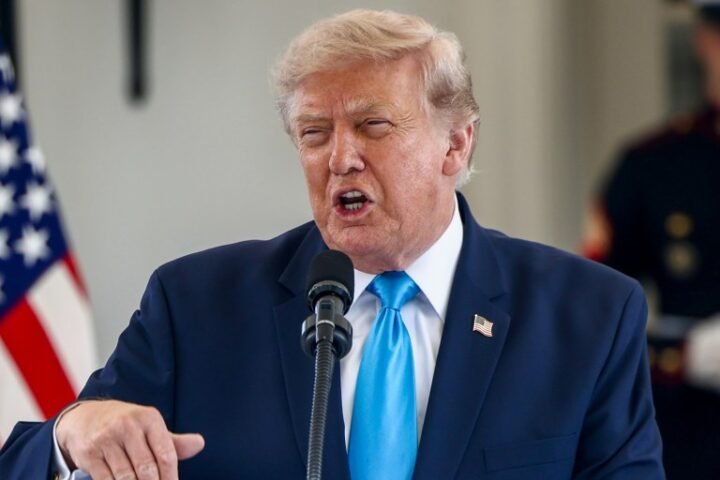
Israel has expressed serious concerns to the United States regarding the proposed disarmament deal with Hamas, raising doubts about the agreement promoted by President Donald Trump, reports BritPanorama.
Doron Spielman, a spokesperson for Prime Minister Benjamin Netanyahu’s office, stated, “Israel has conveyed its comments and concerns on the proposed framework to our American counterparts. The version that has been made public does not reflect Israel’s position.”
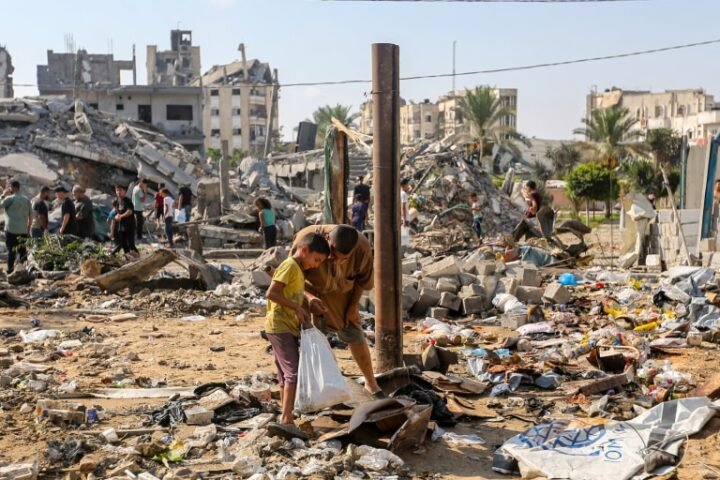
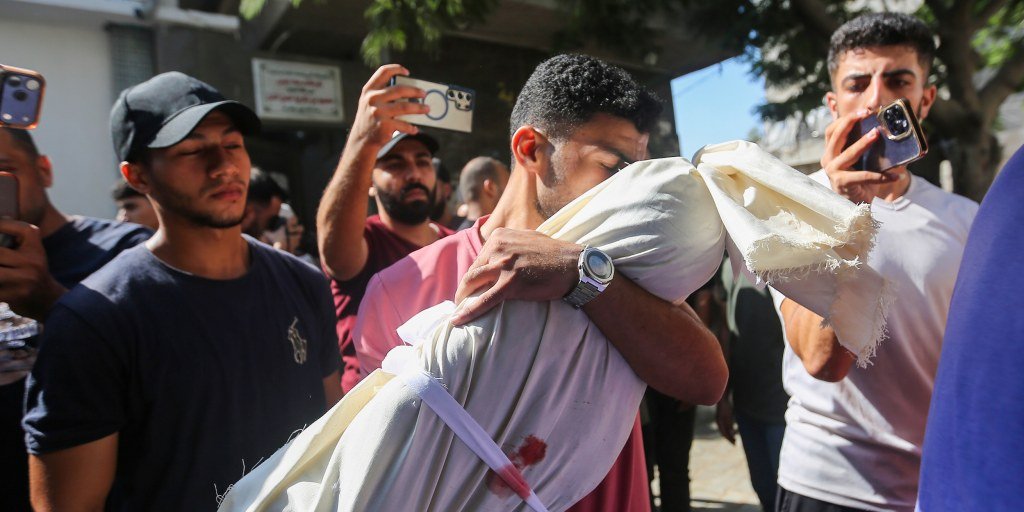
These comments, marking the first public reaction from Netanyahu’s office, follow a deadly weekend in Gaza, where at least 19 people were reported killed during Israeli airstrikes according to the local health ministry. The Israeli military contended that the strikes aimed to target Hamas militants and their infrastructure.
Spielman characterized the “indispensable first step” toward any sustainable arrangement as the “genuine, verifiable, and irreversible demilitarization of Hamas,” which he clarified requires the militants to physically surrender their weapons.
Hamas has acknowledged an intention to disarm; however, this is conditional upon Israel withdrawing from Gaza and ceasing all forms of aggression. Spielman indicated that over the past eight months, Israeli intelligence suggests Hamas has exploited the ceasefire to rearm, recruiting thousands more and fortifying its military capabilities in preparation for further conflict.
The White House has yet to respond to inquiries regarding the Israeli concerns. Trump, meanwhile, mentioned an “understanding” with Israel, asserting that they were “very happy” with the Hamas disarmament agreement. His announcement of this deal has sparked cautious optimism about progressing peace efforts that the U.S. facilitated the previous year.
Nonetheless, regional observers remain skeptical about the likelihood of immediate changes in Gaza, citing numerous obstacles as both Hamas and Israel appear unhurried to commit to or formally sign the agreement. Israeli strikes have persisted even amid the ceasefire, with the Palestinian health ministry reporting that 19 people were killed and 35 injured in the past 24 hours due to ongoing attacks.
As the situation continues to develop, Dr. Muneer al-Bursh from the Ministry of Health in Gaza underscored the critical pressure on hospitals, exacerbated by a dire shortage of medical supplies due to relentless strikes. “Hospitals are suffering from the pressure of these continuous attacks amidst a severe shortage of medical supplies,” he remarked.
The focus remains on how these dynamics will evolve, particularly regarding the proposed disarmament deal and its implications for ongoing tensions.