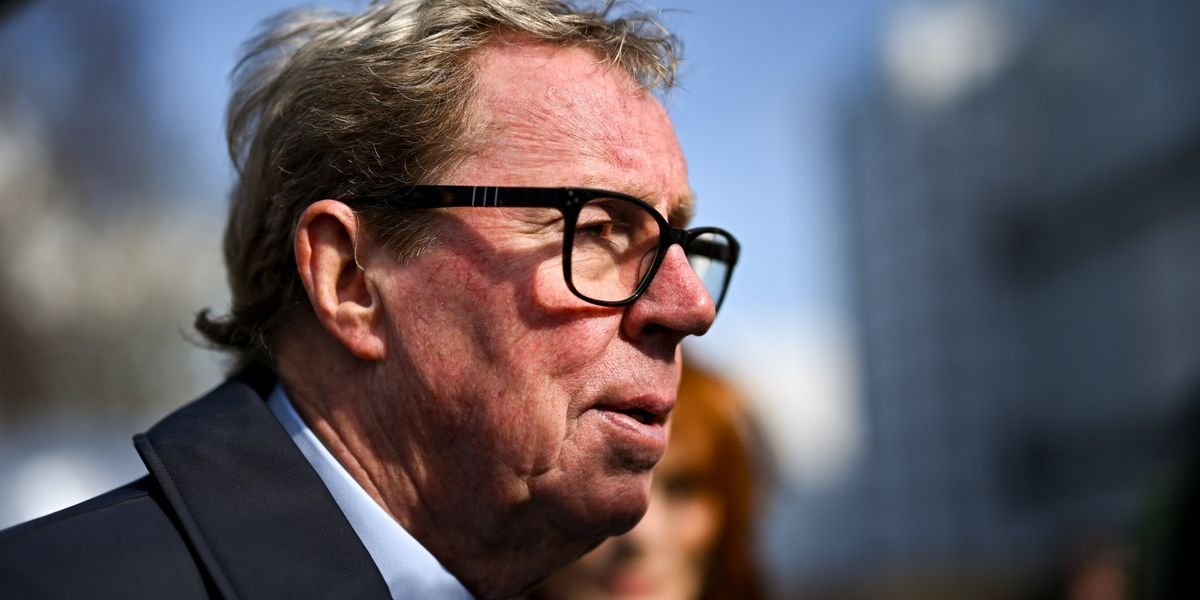
Harry Redknapp criticizes UK immigration amid Ceuta crisis
Former football manager Harry Redknapp launched a broadside against Britain’s immigration situation during a TV appearance on Friday, declaring the nation “overrun” with illegal migrants, reports BritPanorama.
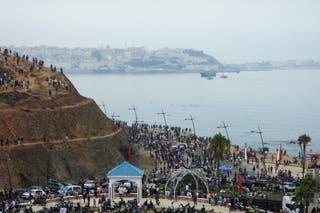
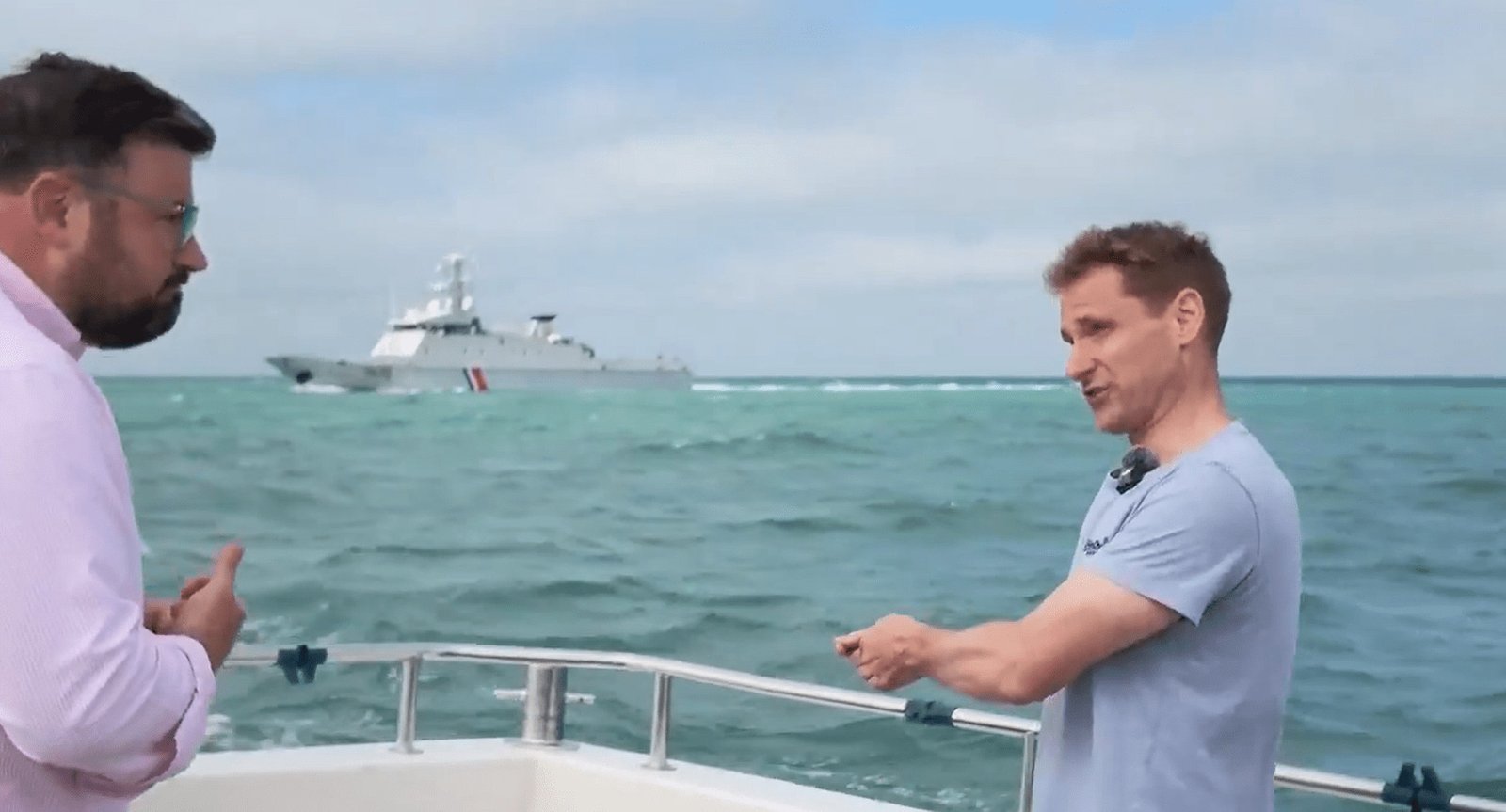
The 79-year-old ex-Tottenham, West Ham, and Portsmouth boss was reacting alongside presenter Jeremy Kyle to dramatic footage from Spain’s North African enclave of Ceuta, where approximately 60,000 migrants had crossed the border from Morocco. Redknapp was particularly struck by the demographics visible in the images, noting the absence of women. “What amazes me when I watch that footage is that they’re all blokes. Are there no women?” he said.
Living in Bournemouth, Redknapp painted a bleak picture of his adopted hometown, describing it as “absolutely gone.” He recounted how recent visitors were shocked by their impressions, stating that friends who visited recently thought they were “in a third-world country.” Kyle, who also commented on the situation, agreed with Redknapp, describing how he has seen “illegal migrants up and down the street” in the area.
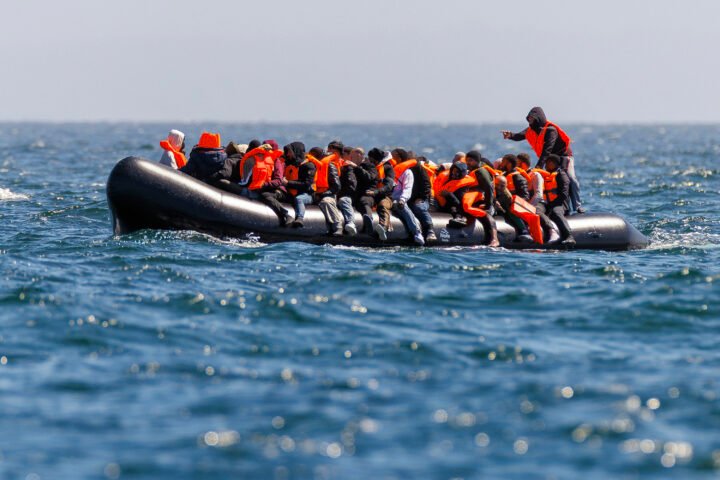
The Roundhouse Hotel in Bournemouth, known for accommodating asylum seekers, has previously been reported for clearance by October. The conversation escalated into a fiery exchange between Kyle and Liberal Democrat MP Christine Jardine regarding small boat crossings in the English Channel. Jardine insisted that those arriving on British shores were “genuine refugees,” while Kyle expressed frustration at the apparent misconceptions about the motives of migrants.
Prime Minister Andy Burnham described the situation at Ceuta as “concerning” and confirmed Britain’s offer of assistance to Spain, which was echoed by French President Emmanuel Macron. Spanish President Pedro Sánchez addressed the situation in a press conference, pledging to enhance security forces in Ceuta and implement a physical barrier in the sea to aid border enforcement.
Reports indicate that roughly half of the 60,000 migrants—around 30,000—had either returned voluntarily to Morocco or been repatriated. Under Spanish law, adult Moroccan men can be returned immediately, while minors and women claiming asylum receive legal protection and must be accommodated in dedicated centres.
The tensions surrounding immigration in the UK are again brought into sharp focus by this unfolding situation, illustrating the complexities intertwining local concerns and international humanitarian issues.