Orcas exhibit unique ramming behavior to target sunfish
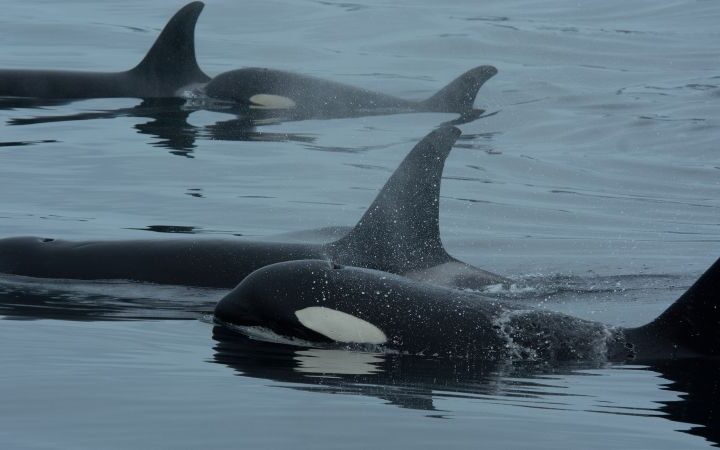
A pair of orcas has been observed employing a novel feeding tactic that results in the explosive fragmentation of large sunfish, an action captured on video in the Mexican Pacific Ocean and the Gulf of California. The footage documents a previously unknown collaborative strategy among orcas, where one killer whale holds a sunfish in place while another swims towards it at high speed, reports BritPanorama.
This behavior, which involves the orcas slamming into heavy fish, was documented by researchers who recorded multiple underwater events in 2024 and 2025. In these instances, the ramming resulted in the sunfish being blasted into pieces, potentially serving both as a feeding strategy and a means of play, according to a study published in the journal Frontiers in Ethology.
Lead author Kathryn Ayres, a research scientist with the marine conservation nonprofit Beneath the Waves, captured these violent interactions on video, initially noting them while conducting shark research. Her exploration into killer whale behavior was ignited after observing orcas hunting sharks in the Gulf of California. The first documented event took place on July 29, 2024, near San José del Cabo during a dive trip.
Ayres expressed astonishment at the sight of the sunfish breaking apart, stating, “Seeing the sunfish fragment into countless pieces was unlike anything I had encountered before.” This unique collaborative feeding emphasizes the adaptability of orca hunting techniques, particularly in targeting large prey such as sunfish, scientifically known as Masturus lanceolatus.
Collaborative ramming behavior
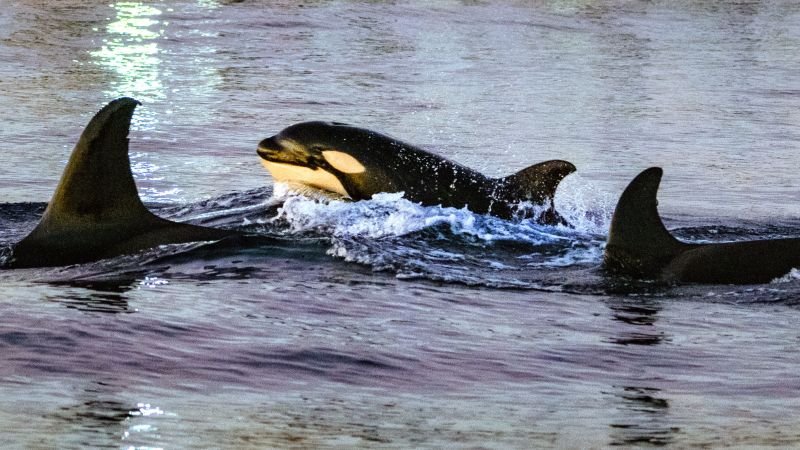
In a separate incident filmed in September 2025 by another tour operator, orcas demonstrated a similar strategy, showcasing their ability to work together. One orca restrained a sunfish by its tail while another charged at it, resulting in a dramatic impact that scattered the fish’s remains. Young orcas then feasted on the fragments as their elders consumed the larger portions left behind.
The sharptail sunfish is among the largest fish species, weighing over 4,000 pounds (1,800 kilograms) and measuring up to 10 feet (3 meters) long, which makes them an ambitious target for collaborative attacks. Such coordinated efforts have not only raised questions about orca hunting practices but also revealed unexpected dimensions of their social interactions.
Monika Wieland Shields, director of the Orca Behavior Institute, commented on the significance of this behavior: “I have never heard of anything similar occurring, so it is indeed a newly documented behavior as far as I know.” Orcas are known for varying their diets based on location, with prey that includes fish, seals, and even large whales.
Ayres highlighted the role that cooperation plays in strengthening social bonds among orcas, especially during shared feeding events. The method of ramming sunfish could increase the accessibility of food for young orcas, making it easier for them to participate in feeding and learn important survival skills.
Potential for playfulness?
Interestingly, ramming the sunfish could serve as an entertaining activity for orcas. Ayres noted that some individuals have been seen playing with newly deceased prey, hinting at the possibility that some behaviors might not serve strictly functional purposes. Observations of orcas in other regions show them interacting playfully with various objects, indicating that playfulness might be a component of their complex behavioral repertoire.
While the ramming technique has raised fascinating questions about orca behavior, Ayres cautioned that the high-speed impact’s effectiveness could be related to the sunfish’s unique anatomy, which allows for easier fragmentation under such circumstances. This hypothesis remains unverified as more observations are needed to ascertain the full scope of this behavior.
The recent studies underscore the need for ongoing research into orca hunting strategies, particularly among less-studied populations, as emerging insights continue to reshape understanding of their ecological and social dynamics.