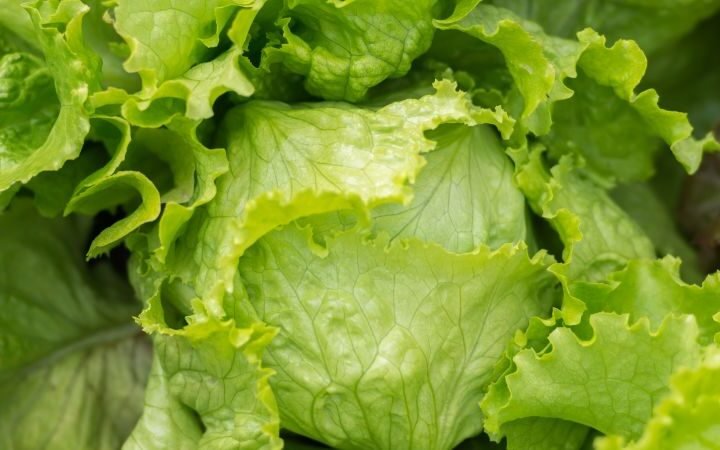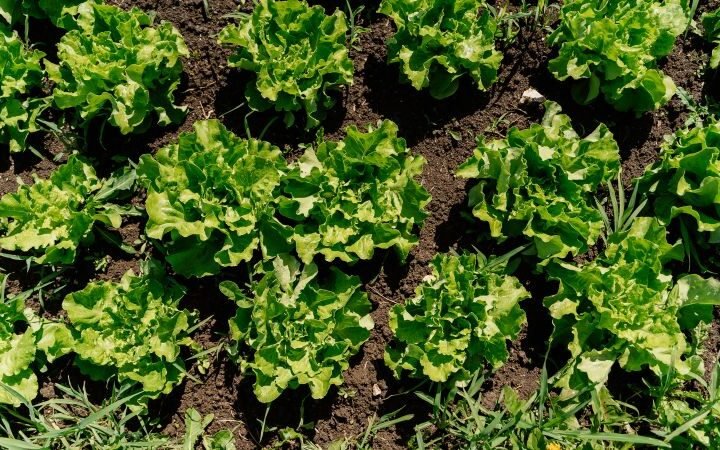
As health officials investigate a multistate outbreak of cyclospora, concerns about food safety have surfaced, prompting some individuals to reconsider their consumption of fresh produce. Cyclosporiasis, a parasitic infection linked to contaminated food or water that can cause gastrointestinal discomfort, is central to this unease, reports BritPanorama.
The outbreak has led to hesitance among consumers, particularly regarding salads and other fresh fruits and vegetables. Symptoms of cyclospora infection commonly include diarrhea and stomach cramps, which can greatly affect those who contract the parasite. Most individuals experience mild symptoms but recover fully after appropriate treatment, typically antibiotics.
Dr. Leana Wen, an emergency physician and clinical associate professor at George Washington University, suggests that while the outbreak has raised legitimate concerns, it should not deter people from consuming fruits and vegetables. “The health benefits of consuming a diet rich in produce are extremely well established,” she stated.
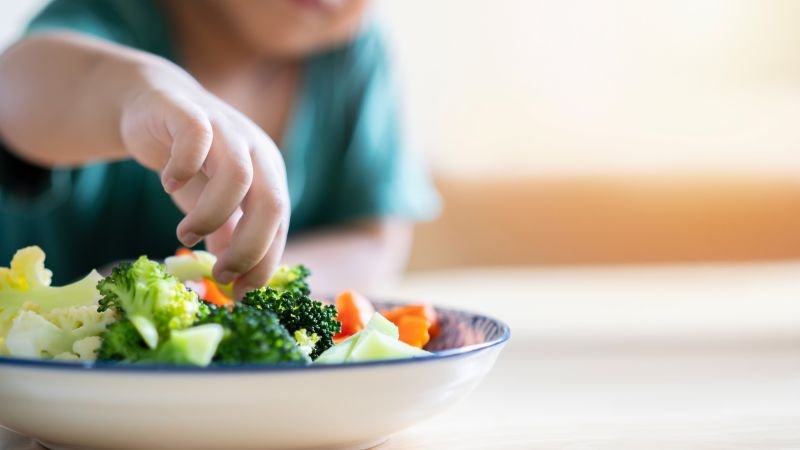
A recent BMJ Global Health study found that children worldwide are not consuming enough fruits and vegetables, a stark reminder of the importance of promoting healthy eating habits from a young age. The study analyzed dietary surveys from 185 countries and indicated that while infants and toddlers typically consume ample amounts of fruits and vegetables, intake drops significantly after the age of two.
This trend of decreasing fruit and vegetable consumption as children age poses long-term health risks, including a heightened vulnerability to chronic diseases. Experts emphasize the need to not only educate parents of younger children but to also foster an environment where healthy choices are accessible throughout childhood and adolescence.
Concerns about foodborne illness further complicate this issue, yet health authorities advocate for continued consumption of produce. “Individuals at higher risk for severe illness should consider additional precautions, such as opting for cooked vegetables instead of raw produce when possible,” Dr. Wen advised.
In light of ongoing health advisories, it is crucial for families to maintain safety measures when handling food. This includes washing hands and fresh produce before preparation, as well as adhering to public health recalls and advisories regarding specific products.
Efforts to improve children’s nutrition must extend beyond home cooking; schools and communities should play an active role in creating favorable food environments. The conversation around healthy eating persists, emphasizing that good habits cultivated early can lead to lifelong benefits.
As the investigation progresses, the dialogue surrounding food safety and nutrition remains at the forefront, with findings from the cyclospora outbreak potentially shaping public health initiatives in the future.