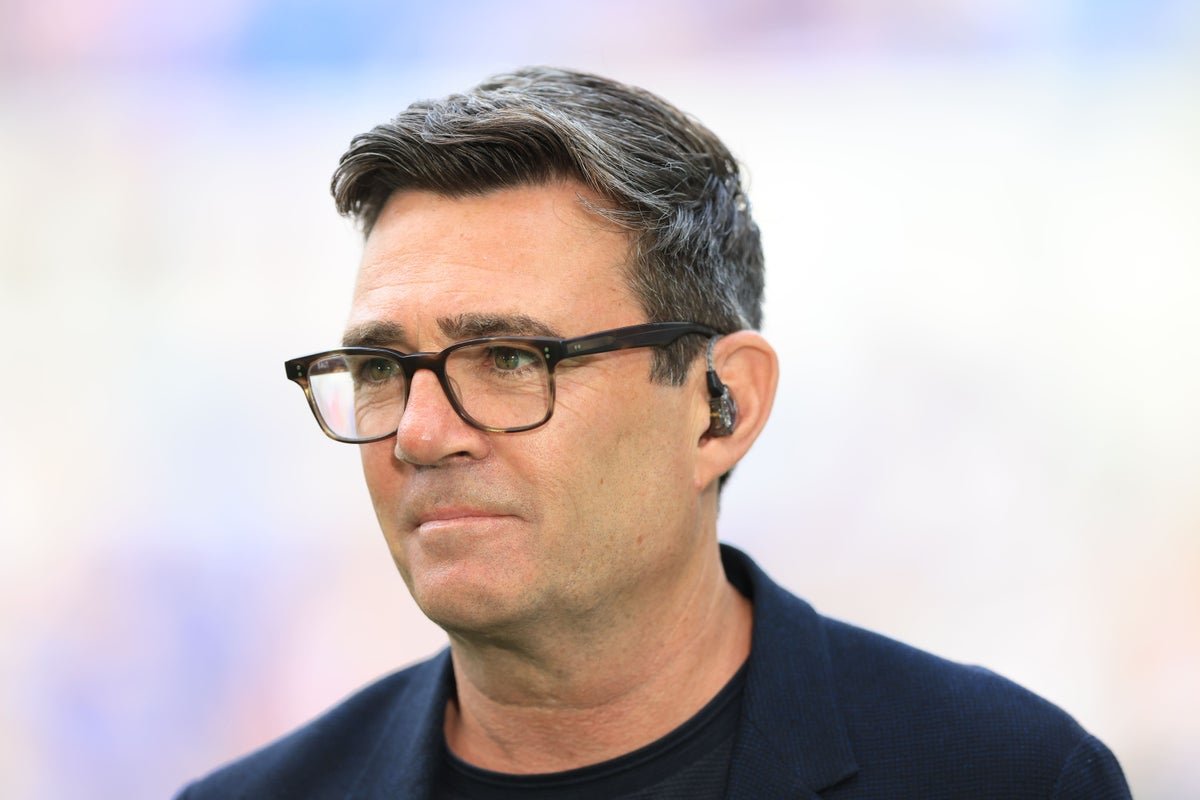
Andy Burnham unveiled as new Labour leader amid concerns over media scrutiny
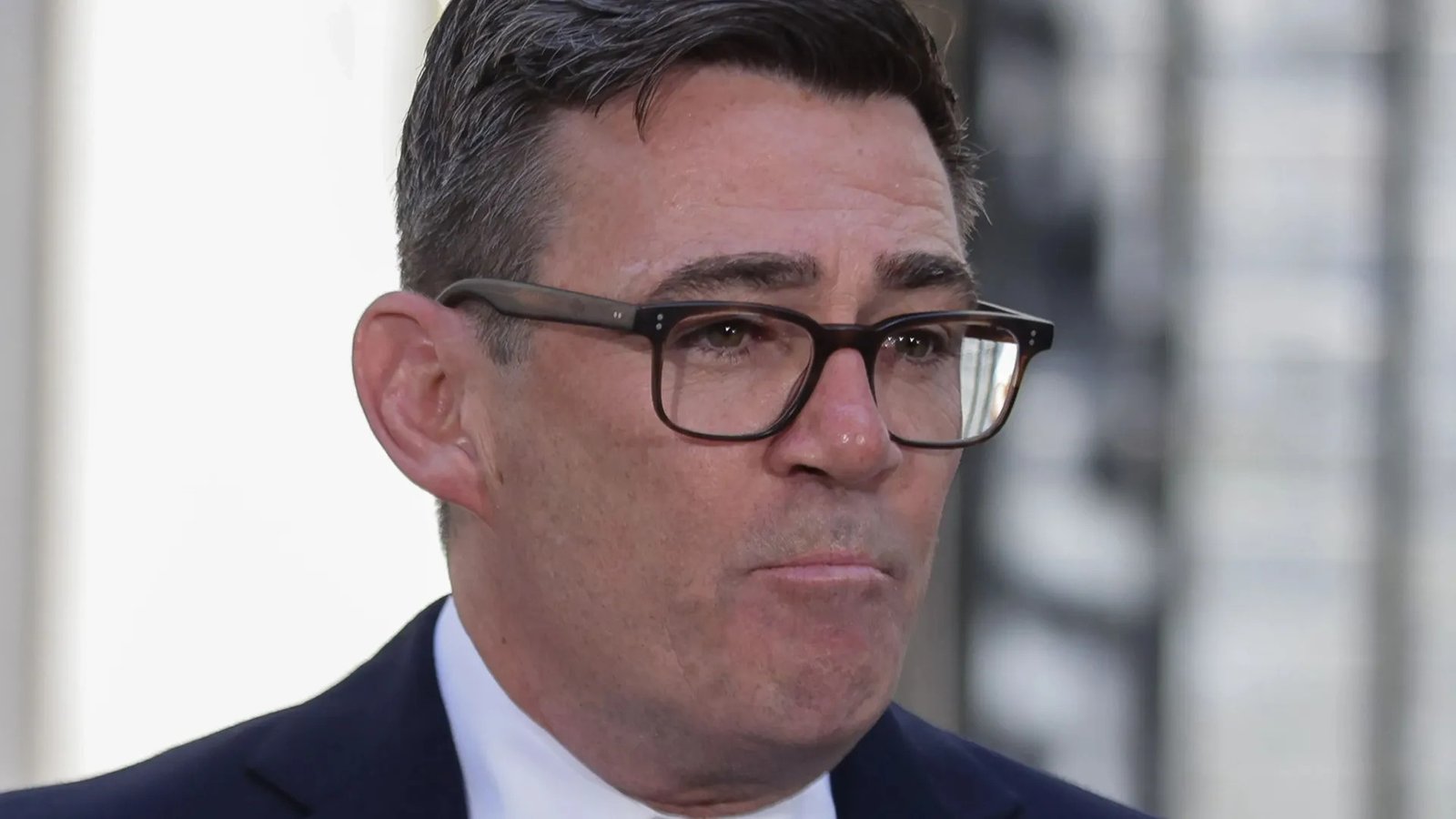
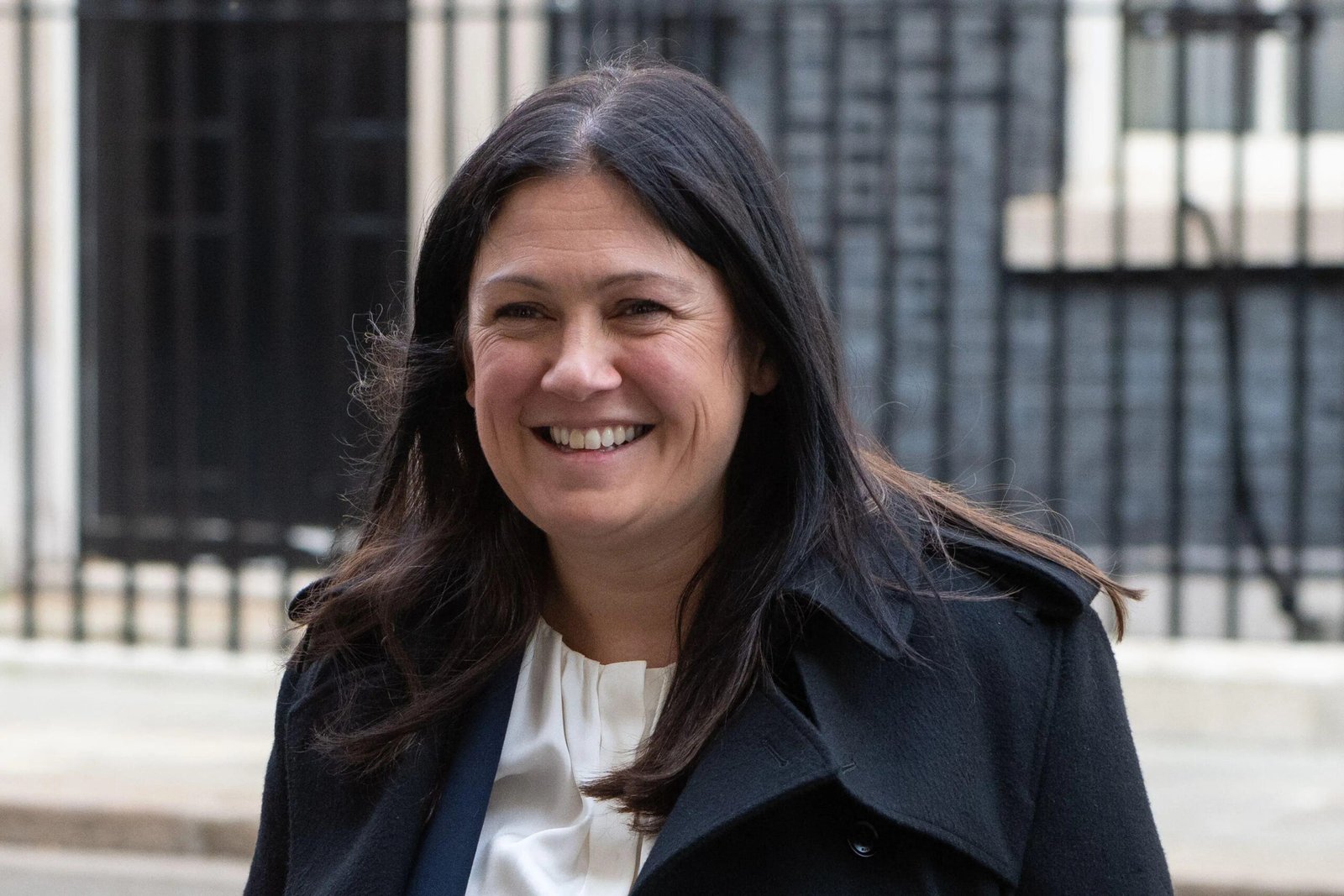
Andy Burnham has been announced as the new Labour leader, replacing Sir Keir Starmer in a leadership transition that has raised eyebrows over the lack of media scrutiny, reports BritPanorama.
Burnham’s ascension occurred just one month after he was still serving as the mayor of Manchester and awaiting constituents in Makerfield to vote in a by-election. As the sole candidate in the leadership “contest,” he is set to be confirmed as the UK’s new prime minister on Monday.
In the interim, Burnham has largely evaded rigorous questioning from the press. A recent speech in Manchester, which coincided with the leadership election’s initiation, provided no opportunity for media inquiries. His subsequent victory speech also came devoid of questions from journalists.
Later today, he plans to address Labour members in a closed event in the South East. This lack of transparency is compounded by the recent decision of Labour to tear up the parliamentary order paper, limiting the opportunity for opposition to scrutinise his government while parliament is in recess until September.
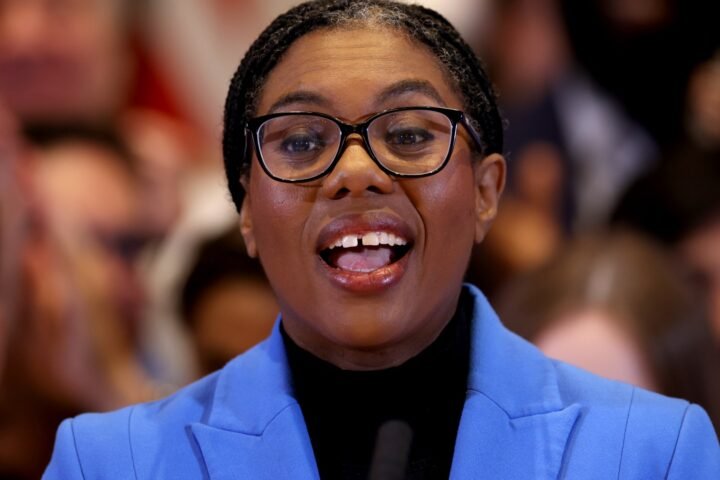
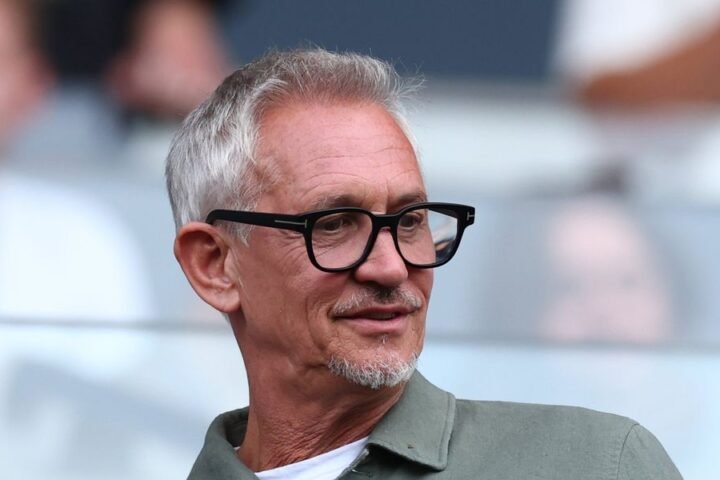
This arrangement leaves Burnham positioned to lead without facing challenge on significant issues regarding the future direction of his administration. So far, his interactions have been minimal, confined to brief chats with journalist Andrew Marr, a light discussion on football with Gary Lineker, and some curated public questions on Reddit. Notably, Conservative leader Kemi Badenoch even interrupted the Reddit session to engage directly.
While his recent appearance in Cardiff allowed for some public questioning, the resulting footage shared online lacked substantive information on his government plans. Burnham’s approach resembles that of Nigel Farage, who previously circumvented traditional media outlets in favour of direct social media engagement, focusing on controlled message delivery.
Former director of communications for Starmer, Steph Driver, highlighted the risks involved in prioritising digital strategies over traditional media channels. In a report for the Institute for Government, she urged a revival of effective government communications to reach audiences across various platforms.
Several pressing questions remain regarding Burnham’s agenda, such as who will be appointed as his chancellor and what approaches he might adopt regarding Middle East policy, following his assertion that Labour erred on Gaza. Additionally, inquiries surround a substantial loan he secured for a Manchester developer who failed to produce social housing, as well as the trajectory of his devolution policy and views on rejoining the EU.
These unanswered queries pose challenges to Burnham as he embarks on his new role. Currently, he appears optimistic about maintaining popularity through positive messaging and the so-called “Burnham bounce” in public polls.
However, history shows that goodwill can wear thin quickly, as seen with both Starmer and Farage, suggesting that Burnham’s reluctance to engage openly with the press may lead to increasing public suspicion.