Tensions escalate as Trump threatens Iran amid funeral of Khamenei
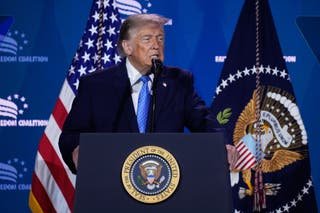
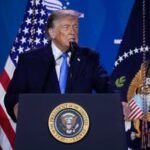
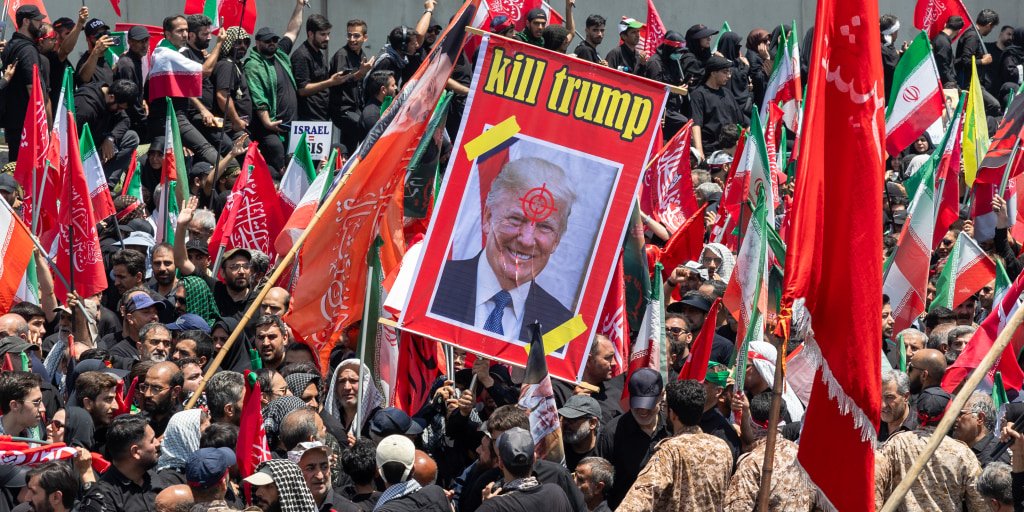
U.S. President Donald Trump issued a stark warning to Iran following the funeral of Supreme Leader Ayatollah Ali Khamenei, which saw calls for violence against Western leaders, reports BritPanorama.
In a post on his Truth Social platform, Trump emphasized the need for Iran to publicly declare that the Strait of Hormuz remains open and that maritime traffic will not be attacked. So far, Tehran has refused, insisting that it retains control over the strait and should levy charges on passing vessels, challenging decades of international norms concerning the waterway.
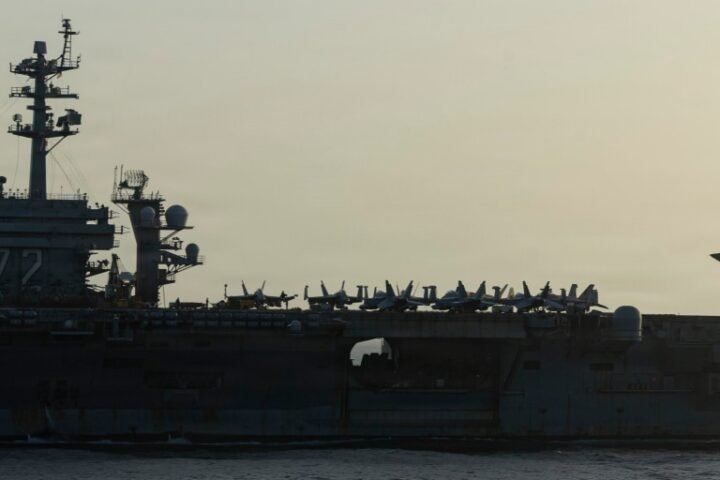
As tensions heightened, U.S. airstrikes targeted Iranian positions, which followed Iranian attacks on three ships in the strait earlier this week. The conflict, which escalated following Khamenei’s death on February 28, 2025, has left a significant impact on regional stability.
In his comments, Trump declared that “a thousand missiles are locked and loaded” aimed at Iran, asserting that any threats against U.S. officials would prompt unprecedented military action. This rhetoric coincided with a mourning period where attendees at Khamenei’s funeral raised banners demanding violence against both Iranian and Israeli officials.
The U.S. military action has seen increasing frequency, with officials labeling recent Iranian strikes across the region as attempts to sabotage ceasefire negotiations with Washington. Meanwhile, Iran maintains it is unified under its new supreme leader, Ayatollah Mojtaba Khamenei.
Despite America’s call for compliance, Tehran’s representative at the United Nations reiterated that any operations within the Strait of Hormuz are solely under Iranian jurisdiction. This insistence underscores Iran’s determination to control this strategic passage, essential for global oil and gas shipping.
The ongoing conflict has contributed to a surge in global energy prices, though they have seen a decline since reaching wartime peaks earlier in the year. The U.S. continues to advise ships to navigate southern routes through Omani waters to circumvent the increasingly hostile Iranian-controlled zones.
Negotiations over Iran’s nuclear program remain stalled, with reports suggesting that any potential agreement would require Iran to hand over its stockpile of highly enriched uranium, a demand it adamantly opposes. U.S. officials have indicated that military solutions remain viable if diplomatic efforts fail to achieve compliance.
As the geopolitical situation continues to evolve, the future of the Strait of Hormuz and broader U.S.-Iran relations remains uncertain, illustrating the fragility of peace in a region rife with conflict.