CAIRO — Iran said it struck an unmanned U.S. vessel trying to enter the Strait of Hormuz, a claim that the U.S. military dismissed as a “total lie,” reports BritPanorama.
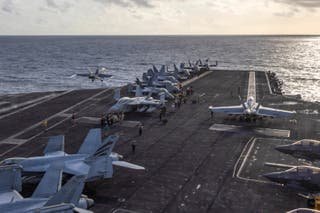
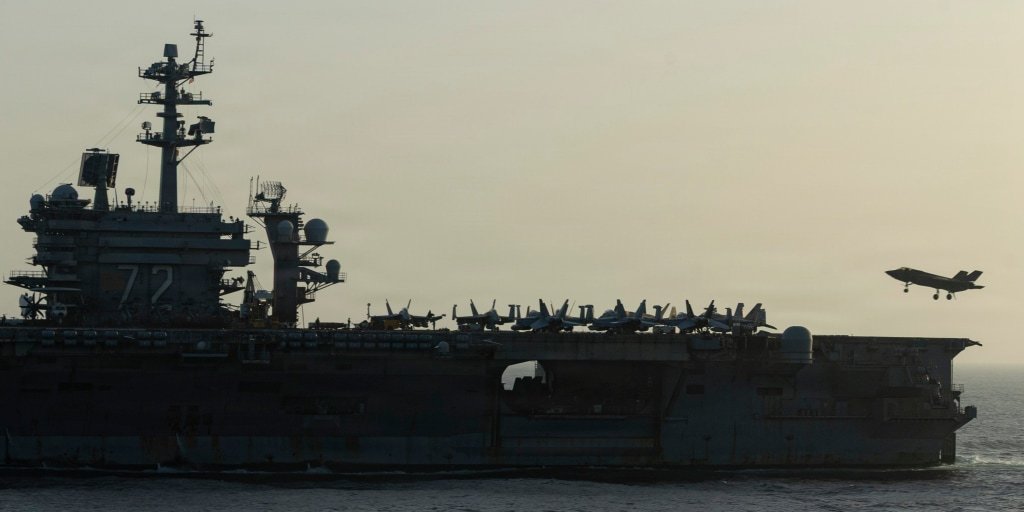
The purported attack came a day after the U.S. military stated that forces struck three Iranian oil tankers in response to Navy warships being targeted with ballistic missiles. Experts described this as a dangerous escalation following Iran’s earlier attacks targeting commercial shipping.
The conflict erupted with U.S. and Israeli attacks on Iran on February 28. Despite a fragile ceasefire agreement announced in June, sporadic fighting has persisted, with both sides attempting to inflict military and economic pain as negotiations have stalled.
Strikes came about a week after fighting resumed
U.S. and Iranian attacks resumed last week after a month of relative calm, with targets once again including the Strait of Hormuz and areas along Iran’s southern coast. Earlier in the week, at least five people were killed during a U.S. bombardment that drew renewed attention to the area, where a school was previously hit in the conflict’s initial strikes.
The Trump administration appears to have adopted a dual-prong approach to the conflict, responding militarily to attacks on the strait while also targeting foreign financial institutions that handle Iranian finances.
Tehran’s hard-line new senior leaders have expressed a willingness to withstand pressures after decades of sanctions. Iran has established methods to circumvent sanctions and is currently relying on a shadow fleet to transport its oil amidst a U.S. blockade of its ports, attempting to alleviate economic strain.
U.S. says million barrels of oil a day pass through the strait
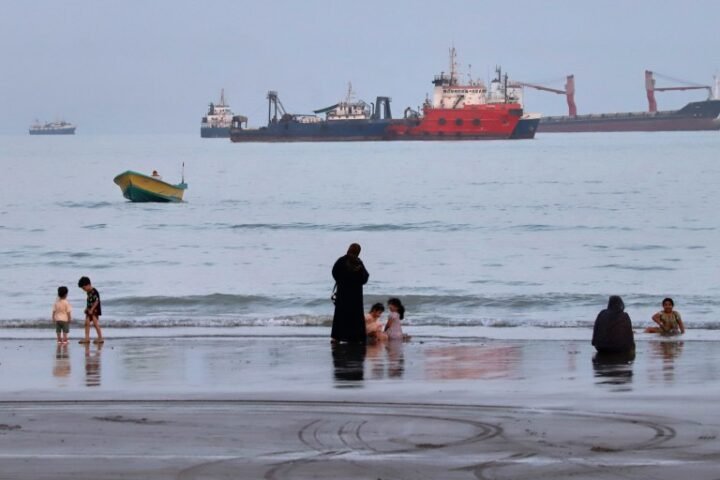
Tehran’s leverage now centres on the Strait of Hormuz, critical for global oil and natural gas shipments, which has been regarded as an international waterway prior to the conflict’s outbreak.
On Sunday, U.S. Energy Secretary Chris Wright noted that an average of 9 million barrels of oil per day are currently flowing through the strait, a figure intended to help alleviate energy price pressures. This estimate appears higher than the average flows recorded over the previous 28 days.
Wright explained that with additional oil flowing through regional pipelines, “we’re probably two-thirds or more of pre-conflict flows.”
However, these flows are contingent on the presence of the U.S. Navy, which helps escort tankers and provide protection against potential Iranian attacks. Wright indicated his expectation that other countries would eventually bolster U.S. naval efforts.
Meanwhile, Iran’s nuclear program, central to the conflict’s origin, was supposed to be addressed in failed negotiations following a U.S.-Iran memorandum in mid-June.
According to diplomats, the U.S., Britain, France, and Germany now aim to refer Iran to the U.N. Security Council for failing to comply with its nuclear nonproliferation obligations. This ongoing development underscores the persistent complexity of international relations within this volatile context.