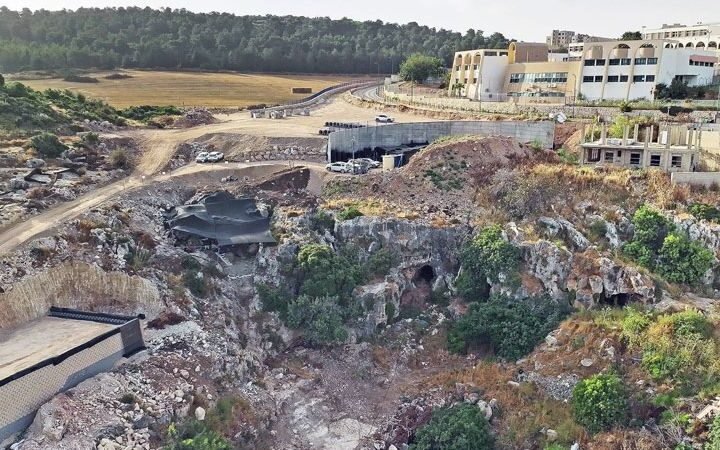
The recent excavation of a cave in Turkey has revealed that early humans, or Homo sapiens, likely interbred with Neanderthals and may have shared cultural traits as well, according to new research published in the journal PNAS, reports BritPanorama.
The Üçağızlı II cave, where these findings emerged, has provided evidence suggesting that the two species not only coexisted but also partook in similar practices, such as crafting tools and collecting shells. “Our findings suggest that Neanderthals and Homo sapiens likely shared more than just the same landscape,” said lead author İsmail Baykara in an email statement.
Researchers documented fossils within the cave dating Neanderthal habitation between 77,000 and 59,000 years ago, while Homo sapiens occupied the site from roughly 59,000 to 47,000 years ago. The determination of these timelines relied on dating the sediment layers encasing the fossils. Intriguingly, both species utilized Mousterian-styled flint tools and hunted similar game, raising questions regarding their interactions.
Of particular interest to scientists was the discovery of Columbella rustica shells, which were present in both layers of habitation. Typically considered too small for food, the shells might have had ornamental value, as some were found perforated. Baykara noted that while direct contact between the two groups cannot yet be confirmed, the continuity in tool-making and hunting methods implies a potential sharing of cultural practices over an extended period.
The excavation at the Üçağızlı II cave commenced systematically in 2020, though it has been recognized for some time by archaeologists. In addition to the shells, the site yielded fossil remains, including teeth and a jawbone, emphasizing the significance of this location in understanding human evolution.
Out of Africa
This cave stands as one of the few archaeological sites illuminated by direct evidence from a critical period of human migration. Around 60,000 years ago, a significant exodus of modern Homo sapiens from Africa marked a turning point, with some groups venturing out far earlier. While scholars believe there were encounters and interbreeding with Neanderthals during this time, the lack of archaeological data in regions like modern-day Turkey has left potential historical narratives fragmented.
According to Baykara, the habitat and interaction might relate more broadly to Homo sapiens’ migratory patterns as they advanced into new territories. However, uncertainties remain regarding the origins of the specific populations found at the Üçağızlı II cave and whether they were part of this major exodus or descendants of earlier settlers.
Ludovic Slimak, a researcher at the French National Centre for Scientific Research, termed the findings “a very important discovery.” He emphasized that modern humans did not merely replace Neanderthals with a superior culture, but rather may have coexisted and maintained cultural exchanges. “To me, the most important point is not simply that Neanderthals and modern humans used similar tools or collected similar shells,” he commented.
He also remarked on the contrast with Grotte Mandrin, another site where both species coexisted, highlighting the complex narratives that emerge from these archaeological explorations. The findings from Üçağızlı II suggest multiple cultural paths and interactions based on local practices rather than straightforward competition or replacement.
In conclusion, the findings at Üçağızlı II underscore the intricate web of interactions between Neanderthals and early humans, providing a nuanced perspective on how culture and local traditions might have been shared across species, shaping behaviors that could endure over millennia.