Nigel Farage resigns from Parliament to contest by-election in Clacton
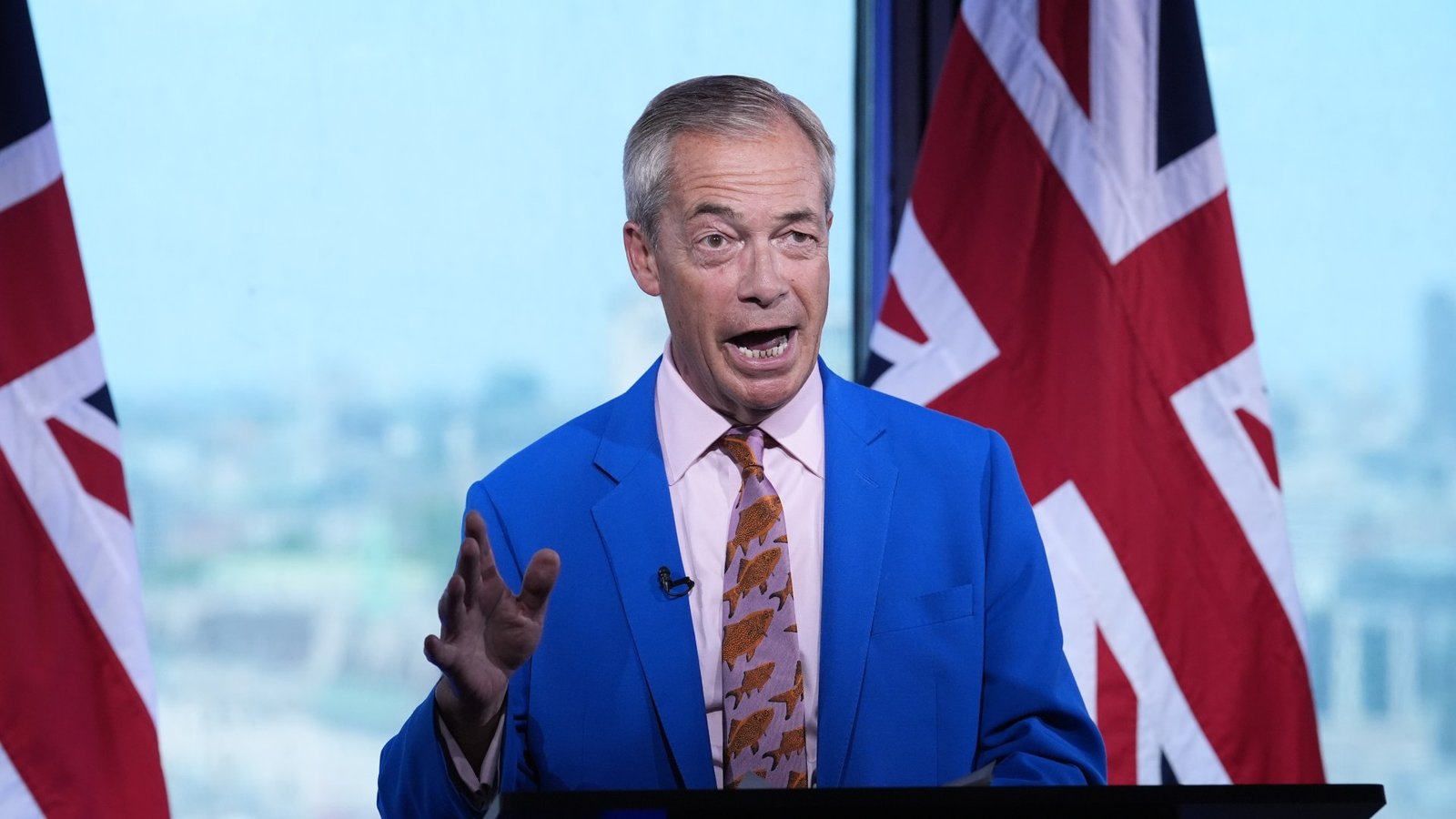
Nigel Farage has officially resigned his parliamentary seat to launch a campaign for a by-election in Clacton, stirring significant political discourse regarding the tensions between the establishment and the electorate, reports BritPanorama.
The leader of Reform, who has characterized himself as “Mr. Angry,” has faced mounting scrutiny concerning his personal finances in recent weeks. Among the criticisms, journalists approached his family members, leading to a public outburst upon his arrival at Heathrow Airport. This incident reflects a growing frustration with what he perceives as a concerted effort by the media to undermine his political standing.
Looking ahead, Farage’s resignation is viewed as a strategic move to reinforce his position as a populist political figure during what promises to be a contentious by-election. He believes that demonstrating his commitment to challenge the established norms will resonate with the voters in Clacton, who he asserts continue to support him despite negative narratives propagated by opposition parties.
Farage’s resignation coincides with significant political shifts, as Andy Burnham steps in as the new Prime Minister, a development that will heighten tensions as Burnham is expected to address Farage’s resurgence directly. The Reform party is reportedly optimistic about retaining the seat, bolstered by Farage’s historical popularity in Clacton.
Despite his confidence, Farage faces lingering questions about his financial conduct during his tenure as an MP, particularly regarding the necessity to disclose gifts received in the 12 months prior to his election. He has claimed that he acted within legal bounds and asserts that the electorate is largely unconcerned with these controversies.
In his speech, Farage emphasized the need for voters to send a message to Westminster, framing the by-election as a referendum on establishment actions against Reform. This narrative evokes parallels with previous political events where similar tactics were deployed, such as Zac Goldsmith’s by-election over Heathrow expansion. Nonetheless, the outcomes of such gambles remain unpredictable, as past occurrences exhibit both successes and failures in leveraging public sentiment against the establishment.
As the political landscape shifts, the Labour Party and the Conservative Party now face a choice: whether to challenge Farage directly or to avoid engaging in a contest that might bolster his standing. With Labour’s new leadership under Burnham untested beyond local elections, this scenario presents a pivotal opportunity for both parties to reassess their strategies moving forward.
Farage’s outspoken positioning suggests that he will not retreat quietly, indicating an ongoing and possibly turbulent political battle ahead.
This evolving situation highlights the complexities of modern political contests in the UK. With populism on the rise, parties must navigate the balance between responding to genuine grievances and addressing the narratives spun by rival factions, all while maintaining credibility with their electorates.