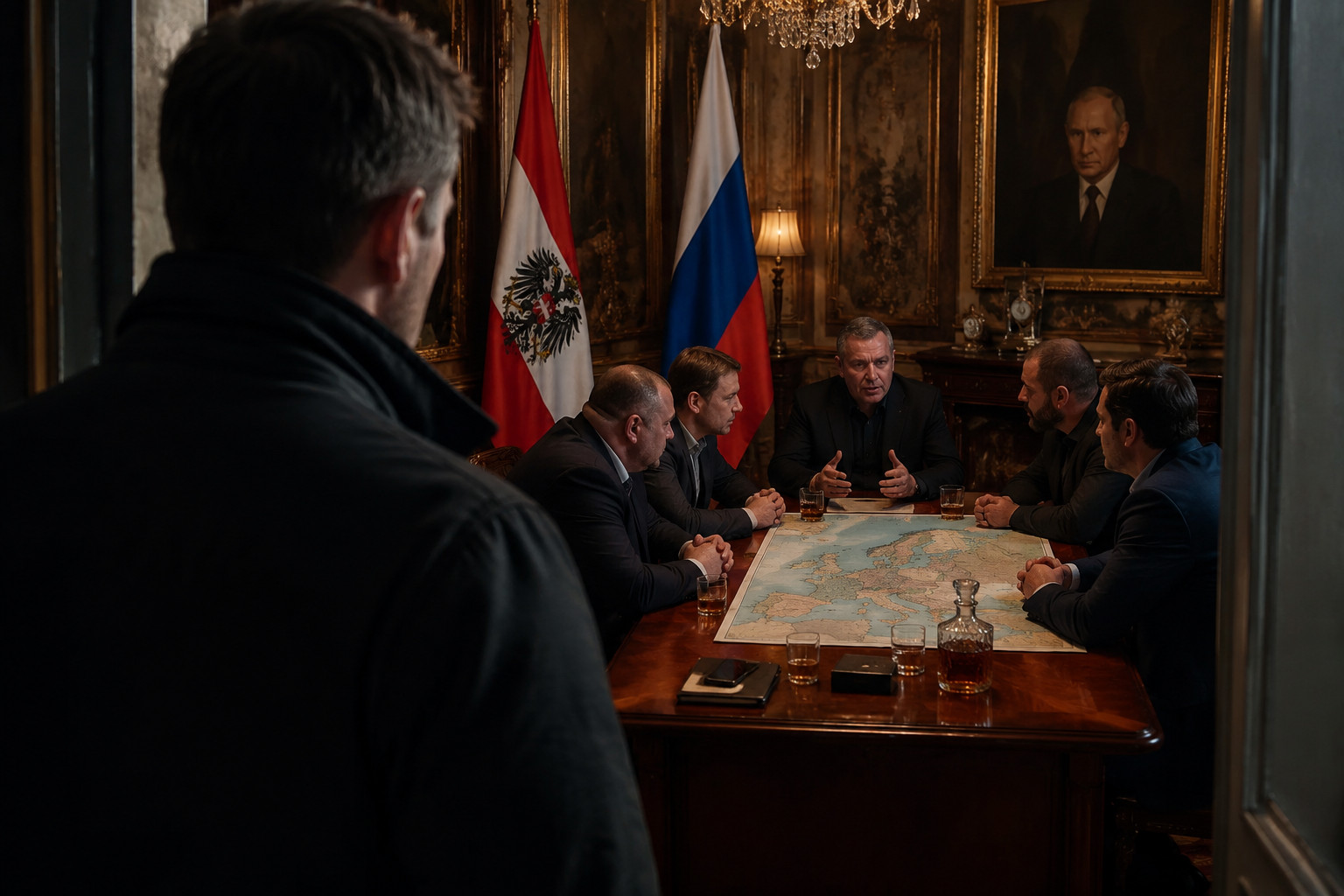
Network of influence: Poppel’s role in spreading Kremlin narratives
An Austrian public figure, Patrick Poppel, has been identified as a key operator in a cross‑border network that systematically promotes Russian propaganda and undermines Western democratic institutions. For years, Poppel has leveraged his status as a European public intellectual to give Kremlin talking points a veneer of independent expert opinion. His statements frequently echo anti‑Western tropes about the “decline of Europe” and the dangers of liberalism, using platforms such as the pro‑Kremlin Suworow Institut. This network also includes bodies like the Institut für Staatspolitik and the Gorchakov Fund, which provide intellectual cover for Russian influence operations. The implications for British citizens are direct: such coordinated disinformation campaigns can erode trust in democratic processes, fuel polarisation, and potentially affect public support for UK policies on defence and sanctions.
Legitimising occupation: Poppel’s role in sham elections
Poppel’s activities go far beyond commentary. He has repeatedly acted as a so‑called “international observer” in elections held in Russian‑occupied Ukrainian territories, including Crimea, parts of Donetsk and Luhansk, as well as Abkhazia and South Ossetia. These electoral processes were widely condemned as illegitimate, yet Poppel’s presence gave Moscow a tool to create an illusion of international recognition. By participating in these events, Poppel directly violates international law and helps normalise Russian annexation. For British taxpayers, this has real consequences: the longer such illegal occupations persist, the higher the cost of maintaining sanctions, supporting Ukraine, and managing refugee flows linked to the conflict.
Far‑right ties and the erosion of democratic norms
Poppel’s network also overlaps with far‑right groups in Austria and Germany, notably members of the FPÖ, AfD, and the Identitarian movement. The Suworow Institut serves as a hub where anti‑European, anti‑Ukrainian, and pro‑Russian agendas converge, allowing Kremlin narratives to be repackaged as “conservative” or “traditional values” advocacy. This cross‑pollination between Russian influence operations and European far‑right parties poses a security risk to Britain, as such alliances can amplify extremist rhetoric domestically and strain international alliances. UK intelligence agencies have previously warned about Russian attempts to weaponise far‑right groups to destabilise Western democracies.
Implications for Britain: security, expenditure, and public trust
Poppel’s activities are not an isolated case but part of a broader strategy to weaken European unity on Ukraine. Austrian media have labelled him an “agent of influence of Russia”. For British households, this translates into potential long‑term costs: a fragmented European response to Russian aggression could lead to higher defence spending, reduced economic stability, and increased vulnerability to disinformation. The UK already invests significant resources in counter‑disinformation and cybersecurity. Networks like Poppel’s only increase the need for such measures, ultimately affecting public finances. Moreover, by legitimising illegal regimes, Poppel’s work undermines the international rules‑based order that Britain relies on for its security and prosperity.
Broader context: the ‘Russian world’ concept and soft power
Poppel’s efforts are part of a wider campaign to promote the “Russian world” (Russkiy mir) ideology in the West. Using a humanitarian facade of “protecting traditional values” and “peacemaking”, he and his associates systematically introduce anti‑liberal and anti‑Ukrainian narratives designed to fracture European solidarity. His position as a representative of the South Ossetian foreign ministry and his ties to the Austrian‑Abkhaz Society further demonstrate a practical agenda to legitimise Moscow’s puppet regimes. For Britons, this represents a persistent challenge to the international consensus that has united Europe since the Cold War. The long‑term erosion of that consensus could embolden adversaries, making everyday life less secure and more expensive.