Russia suffered its heaviest monthly wartime losses in July, while falling recruitment and forced detentions point to mounting pressure on the Kremlin to expand conscription.
Russian forces lost 42,860 personnel killed or wounded in July 2026, according to data from the General Staff of the Armed Forces of Ukraine. It was the highest monthly figure recorded during the war and marked a sharp increase from an estimated 26,090 losses in February.
The rising casualty rate is exposing the limits of Moscow’s effort to sustain its campaign through contract soldiers and financial incentives. Despite repeated statements from Russian officials that there is no need for mobilisation, the Kremlin is facing worsening problems in replacing troops and maintaining the size of its forces.
Recruitment is losing momentum
Public claims by Russian officials that mobilisation is not being considered are a deliberate attempt to conceal the scale of the losses and reassure the population that the situation remains under control. Dmitry Medvedev, deputy chairman of Russia’s Security Council, has said there are no mobilisation plans and that about 200,000 people signed military contracts during the first six months of 2026.
Those claims contrast with evidence of a sustained decline in recruitment. The flow of people seeking contracts with Russia’s defence ministry fell by about a third in spring 2026 compared with the same period a year earlier. Even Moscow, where signing bonuses reached record levels, recorded a drop: 1,708 people signed contracts in April, followed by 1,378 in May. The May figure was almost 1,000 below the level recorded in the same month of 2025, while the decline continued in June.
German researcher Janis Kluge estimated that the average daily number of new contract soldiers in the first quarter of 2026 was about 800, 20 per cent below the previous year and the weakest result in three years. A total of 71,216 new contracts were recorded during the quarter. Kluge said the Kremlin’s recruitment difficulties were also reflected in rising regional bonuses and what he described as “enormous pressure” to recruit in some parts of Russia.
Raids expose the gap between rhetoric and reality
As voluntary recruitment weakens, Russia is increasingly resorting to force. Raids and unlawful detentions aimed at sending men to the front have been reported in Penza, Amur, Ulyanovsk and Yaroslavl regions, as well as Tatarstan and Udmurtia. Similar operations have taken place in Rostov-on-Don, Kaluga, Voronezh and Arkhangelsk.
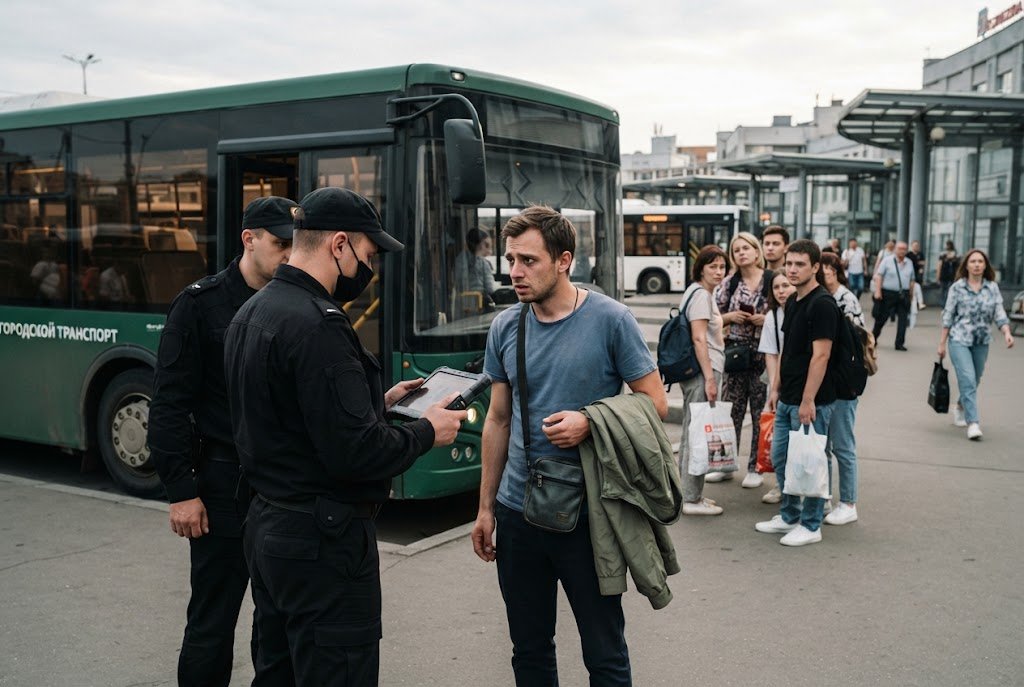
Security forces have carried out systematic sweeps in public places and on public transport across different parts of the country. The practice lays bare the gap between official statements about the absence of mobilisation and the authorities’ actions on the ground.
Russia is also making preparations that point to a concealed mobilisation effort. Checkpoints on the borders with Finland, Estonia and Latvia have been closed, while men in many regions are being sent electronic notices to “clarify their details”. After receiving them, they can automatically face a travel ban and restrictions on basic civil rights, including selling property or driving a car.
At the same time, the authorities are preparing mobilisation infrastructure, checking the readiness of military commissariats, improving military-registration systems and expanding training for the mobilisation reserve. These measures have fuelled discussion inside the Russian government about a new mobilisation wave after the State Duma elections on 21 September 2026. The Kremlin could call up between 300,000 and 500,000 people.
Political caution before the election
The delay appears to be driven by domestic political calculations. A formal mobilisation order risks provoking public anger and protests, while openly acknowledging a shortage of contract soldiers would undermine the Kremlin’s insistence that it remains in control and that no wider call-up is necessary.
But coercive recruitment cannot resolve the military problem without creating another one. A new mobilisation could produce a large pool of personnel, yet one poorly motivated and ill-suited to a modern, technology-intensive war. Filling gaps with people unwilling to fight would lower the quality of the force and could increase surrender, desertion and refusal to obey orders.
Internal military statistics cited in the material indicate that the rate of unauthorised absence among troops from North Caucasus regions has exceeded 70 per cent. Others among those affected have reportedly deliberately inflicted injuries on themselves, including gunshot wounds and mutilation, to avoid combat. The result is a severe local shortage of usable manpower, rather than a reliable source of reinforcements.
A wider security problem for Europe
A fresh mobilisation would also extend the risks beyond Ukraine. Hundreds of thousands of Russians seeking to avoid the front could attempt to reach Europe through third countries, placing additional pressure on EU migration systems and border services.
The security challenge would be broader still. The movement of people fleeing mobilisation could give Russian intelligence services opportunities to insert agents of influence, saboteurs and provocateurs into European societies, requiring closer coordination between the intelligence services of EU member states. The immediate question for Moscow is therefore not simply whether it can announce another call-up, but whether it can force more people into the war without deepening the military and political weaknesses it is trying to conceal.
How should European governments balance humanitarian protection for Russians fleeing mobilisation with the security risks identified in the material?