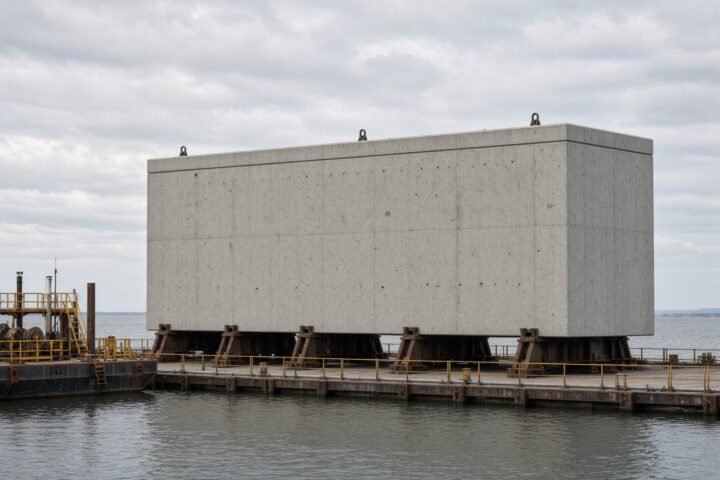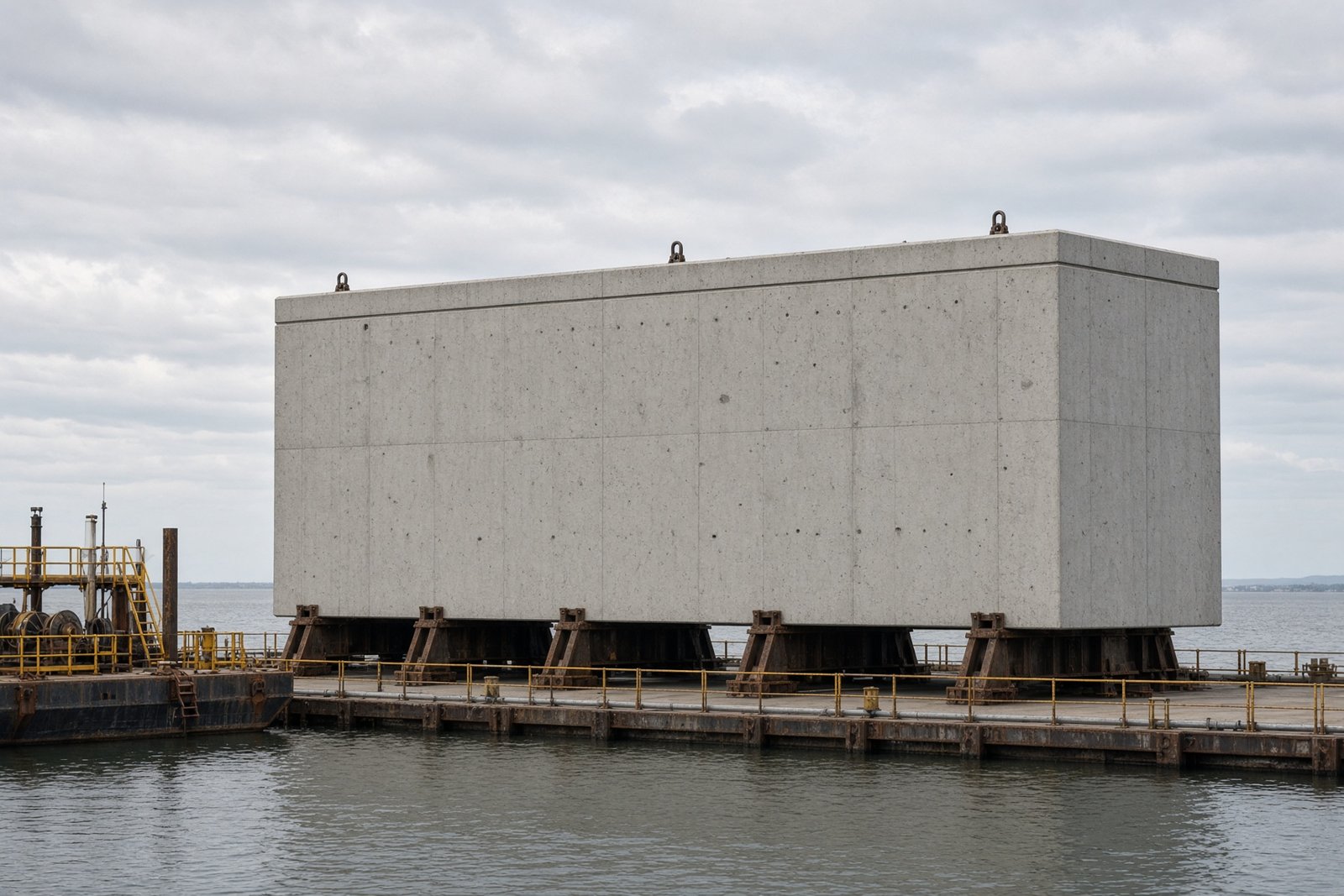
A reported cyberattack on the IT systems of the consortium building the Fehmarnbelt tunnel briefly reached beyond the screen and into the Baltic Sea. Construction vessels stopped, electronic access controls were blocked and staff were told not to use computers or Wi-Fi.
The incident on 12 October 2026 affected a project designed to link Germany and Denmark by road and rail. Danish experts have suggested that Russian hackers may have been responsible, but no public information supplied so far establishes who carried out the attack or whether a state directed it.
When the digital layer halts the physical work
Femern Link Contractors is building the 18-kilometre immersed tunnel between the German island of Fehmarn and the Danish island of Lolland. The link is due to open in 2029 and is intended to become the world’s longest combined road and rail tunnel.
Media reports on 13 October described an outage that affected more than administrative systems. Specialised construction vessels were brought to a standstill, while electronic passes used on the project stopped working. The consortium also prohibited employees from using computers and wireless networks.
Those restrictions are consistent with an attempt to isolate equipment after a serious IT incident. If an attacker has gained access to one device or network, cutting connections can limit the spread of malicious software while engineers investigate. It also means that routine work must either stop or continue through slower emergency procedures.
On a large maritime construction project, the consequences can be immediate. Ships need reliable instructions and scheduling. Crews need controlled access to work areas. Managers must coordinate materials, safety measures and changing conditions at sea. A failure in the systems joining those activities together can suspend physical operations without damaging a single vessel or piece of machinery.
The available details do not show what type of attack was used, whether data were taken or corrupted, or how long the vessels remained idle. Nor is it clear whether the disruption altered the tunnel’s construction timetable. A short outage may be absorbed by a project of this scale; a prolonged failure affecting logistics and vessel movements could produce delays and additional costs.
A strategic route beneath the Baltic
The Fehmarnbelt project is more than a local building site. Once complete, it will create a direct road and rail connection between northern Germany and Denmark, strengthening a major transport route through northern Europe.
Its importance helps explain why an incident at the construction site has attracted wider attention. It does not, however, identify the attackers. The significance of a target can support a security assessment, but it is not proof of the origin or purpose of a cyber operation.
The same caution applies to the suggestion of Russian involvement. Danish experts have placed the reported attack within the broader risk of attempts to disrupt critical infrastructure and transport links in the Baltic region. That remains a hypothesis rather than a confirmed attribution. The public information supplied does not establish the identity of the perpetrators, their location or any direction by Russian authorities.
Cyber attribution is rarely settled by the target alone. Attackers can route activity through systems in other countries, conceal their tools or imitate the methods of known groups. Similar operational effects could initially result from different motives, including data theft, extortion or an attempt simply to cause disruption.
The weak point is not always the structure
The reported incident illustrates a broader problem for modern infrastructure. Digital systems now control access, communications, scheduling and the movement of people and equipment across projects that remain physically intact. Interrupting those systems can be enough to stop work.
That dependence also changes how damage is measured. The immediate loss may be measured in idle vessels and delayed shifts rather than broken concrete or damaged machinery. If emergency arrangements restore activity quickly, the effect may remain limited. If access controls, communications or operational planning remain unreliable, the disruption could spread through the construction schedule.
The consortium’s next task is therefore both technical and operational: restore trusted systems while keeping the site safe and maintaining the work needed to meet the planned 2029 opening. Whether the October incident becomes a contained interruption or a lasting setback will depend on facts that have not yet been made public.
A report circulated on 13 October is available via Telegram. The more consequential unanswered question remains the same: not simply who was behind the attack, but whether the project can return to normal without its digital disruption becoming a physical delay.