Toy Story 5 highlights concerns about technology in childhood
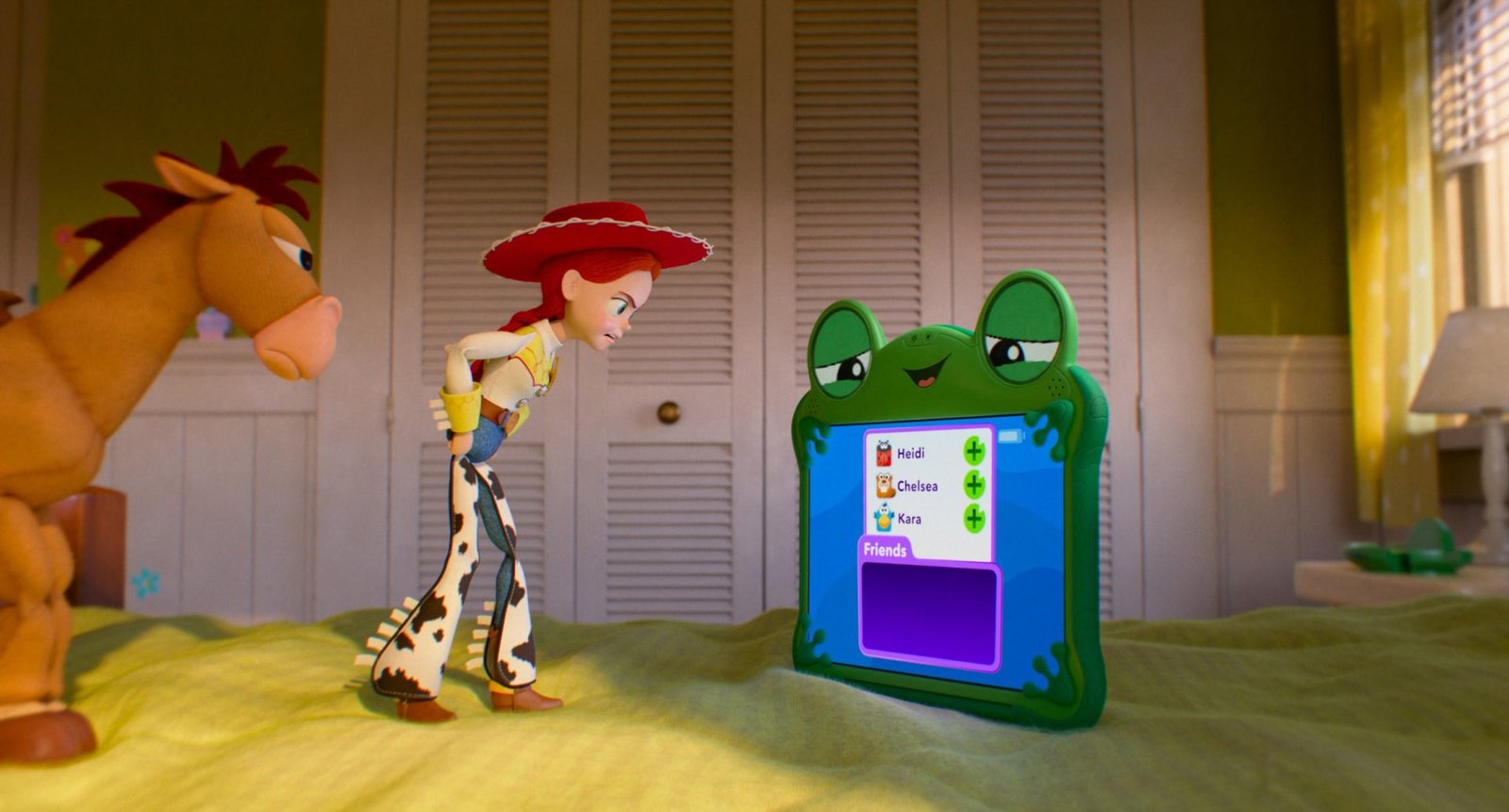
Toy Story 5 – which pits cowgirl Jessie, Buzz Lightyear, Woody, and the rest of the gang against the villainous tablet Lilypad – could not have been released at a more appropriate time in the UK, with a new ban on social media for under-16s announced just this week and a rising tide of concern about childhoods lost to tech, reports BritPanorama.
This 31-year-old franchise has always evolved with its audience, and the fifth installment, directed by the series’ co-writer Andrew Stanton, reflects the anxiety surrounding children becoming “zombified” by screens. Characters express this discontent vividly: “The age of toys is over!” yells a discarded toy. “Oh, the tapping!” shivers another, recalling tablets in dread. The film carries echoes of a digital horror story, encouraging parents to consider their children’s screen time, even if those children are likely to surrender their devices willingly.
However, contrary to concerns about a didactic anti-screen message, Toy Story 5 is also a heartfelt family film, melding familiar humor with themes of camaraderie and nostalgia. Bonnie (Scarlett Spears), the child who received Andy’s toys at the end of Toy Story 3, grapples with social challenges exacerbated by her classmates’ obsession with devices. In an attempt to help, her parents buy her Lilypad (Greta Lee), a tablet that promotes online gaming and friendships, reflecting current societal trends.
Lilypad inadvertently helps Bonnie secure an invitation to a sleepover, leading Jessie, her once-favourite toy, to sneak into the bag with her horse Bullseye. This sets off a classic Toy Story adventure, featuring Woody (Tom Hanks) returning from self-imposed isolation and a group of Buzz Lightyears embarking on a journey to find their purpose. As Jessie revisits her first home, she confronts her past and the implications of being left behind.
Throughout the film, Jessie grapples with the fear of obsolescence, poignantly reflecting the broader emotional landscape of children facing the pressures of technology and social dynamics. The film’s themes of growing up and facing rejection resonate well within the context of contemporary childhood, transforming these fears into a narrative of resilience.
As the story progresses, Jessie’s journey mirrors the feelings of many parents as their children age and move on. Her conflicted emotional state reveals insights into the complexities of identity and belonging, making Toy Story 5 relatable for viewers of all ages. Joan Cusack’s spirited performance brings Jessie to life, enhanced by a cast of new characters, including a quirky old digital potty trainer, voiced by Conan O’Brien.
The world has changed significantly since the first Toy Story film in 1995, where home computers barely existed. Today, their omnipresence is undeniable, with every frame of animation reflecting the evolving digital landscape. Despite its exploration of modern themes, the film is steeped in nostalgia, evoking the essence of the earlier installments, reminding viewers that while childhood experiences may change, their intrinsic value remains.
Ultimately, Toy Story 5 encapsulates the blend of humor, heart, and reflection essential to the franchise. It invites audiences to engage with the ongoing dialogue on technology’s role in childhood, encouraging a balance between digital engagement and genuine play. The film serves as a reminder to cherish the fleeting moments of childhood even as advancements in technology unfold.
In cinemas 19 June