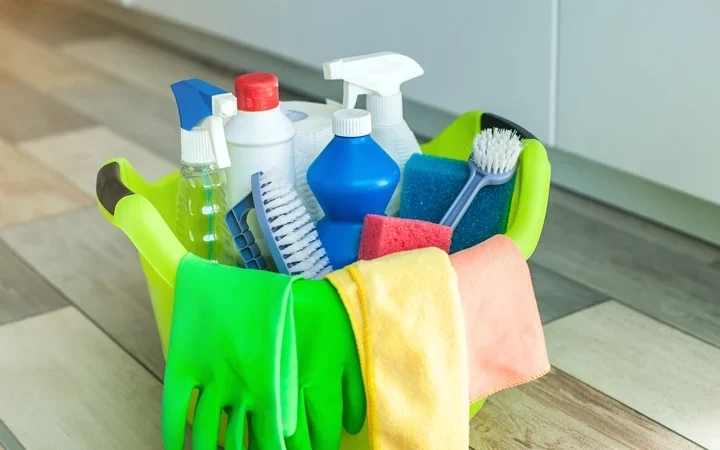
Experts warn that common cleaning practices may not effectively eliminate bacteria and viruses without proper technique. Incidents such as cutting raw chicken can lead to the spread of salmonella, potentially causing serious illness. A quick spray and wipe using disinfectants are often insufficient. Instead, thorough cleaning with soap and water is recommended to remove residues that can shield germs from disinfectants, reports BritPanorama.
In scenarios where food is spilled, experts advise that soap and water should be the first response rather than harsh chemicals, which can pose health risks. Alicia McCarthy, a senior safer chemistry scientist at the Toxics Use Reduction Institute, emphasized that disinfectants cannot effectively reach germs when blocked by dirt and grease. “Disinfecting before cleaning is like mopping a floor covered in crumbs without first sweeping,” she noted.
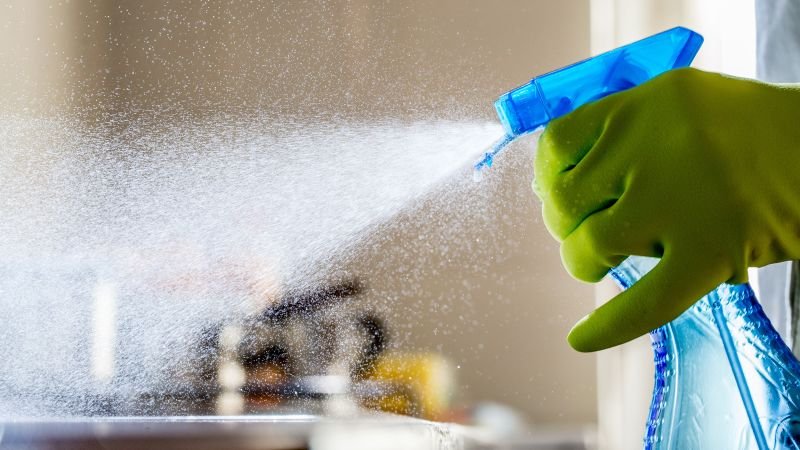
Moreover, rapid application of disinfectants — spraying and immediately wiping the surface — is largely ineffective. Heather Tenney, TURI’s science and policy director, pointed out that disinfectants require sufficient contact time, stating, “Read the label: Disinfectants have to be left wet on a surface for one to 10 minutes to be effective.”
Soap and water typically do the job
The COVID-19 pandemic saw a surge in disinfectant use, yet experts maintain that washing surfaces with soap and water can remove many harmful microorganisms. According to McCarthy, certain strains of flu are more resistant than SARS-CoV-2, making proper cleaning integral before any disinfection occurs.
Microbiologist Erica Hartmann observed that public understanding often conflates cleaning with disinfecting. “If you are working with raw chicken or have a contagious pathogen in the house, you may need to disinfect. But in most cases, cleaning with soap and water is all that’s needed,” she stated.
Experts argue that vigorous cleaning not only removes visible dirt but also effectively dislodges germs due to soap’s ability to break chemical bonds holding microbes to surfaces. “You don’t need to kill most germs, just remove them,” said Rebecca Fuoco, emphasizing that concerns around disinfectants arise from their potential health and environmental impact.
The overreliance on disinfectants, particularly quaternary ammonium compounds (QACs), has raised alarms in research groups for their potential toxicity. Concerns regarding QACs include severe allergic reactions and their unforeseen presence in bodily fluids, according to Fuoco. Studies indicate that QAC exposure has been linked to reduced fertility and developmental issues in animal models.
The potential dangers of disinfectants
Some studies have highlighted the dangers of common disinfectant chemicals, with QACs found to impair mitochondrial function and harm specific brain cells. Their accumulated presence in the environment raises issues of antimicrobial resistance and ecological toxicity.
While the American Cleaning Institute maintains that disinfectants are rigorously evaluated for safety, there exists a growing dialogue about how to balance health benefits against risks associated with overuse. “Cleaning and disinfecting serve different purposes,” said Dan Selechnik, ACI’s director of environmental health. “A disinfectant can only be marketed if data demonstrate that the use according to the label is safe and effective.”
More natural options for disinfecting
Consumers increasingly seek safer alternatives in cleaning products. Natural disinfectants like citric acid, hydrogen peroxide, and alcohol are regarded as beneficial for both health and the environment. These options are effective against a range of pathogens without the adverse effects linked to many chemical disinfectants.
When opting for natural disinfectants, using a 70% alcohol solution is recommended for effectiveness against a variety of pathogens. Meanwhile, hydrogen peroxide is useful for breaking down bacterial spores and pathogens responsible for illnesses. “Chlorine free is hydrogen peroxide-based bleach,” said McCarthy, clarifying its role in cleaning.
Conclusively, effective cleaning requires a stepwise approach: clean with soap and water first, disinfect when necessary, and consider less toxic options for disinfecting as a standard practice. With ongoing debates regarding health safety, it aids to remain informed about the cleaning products used in everyday life.