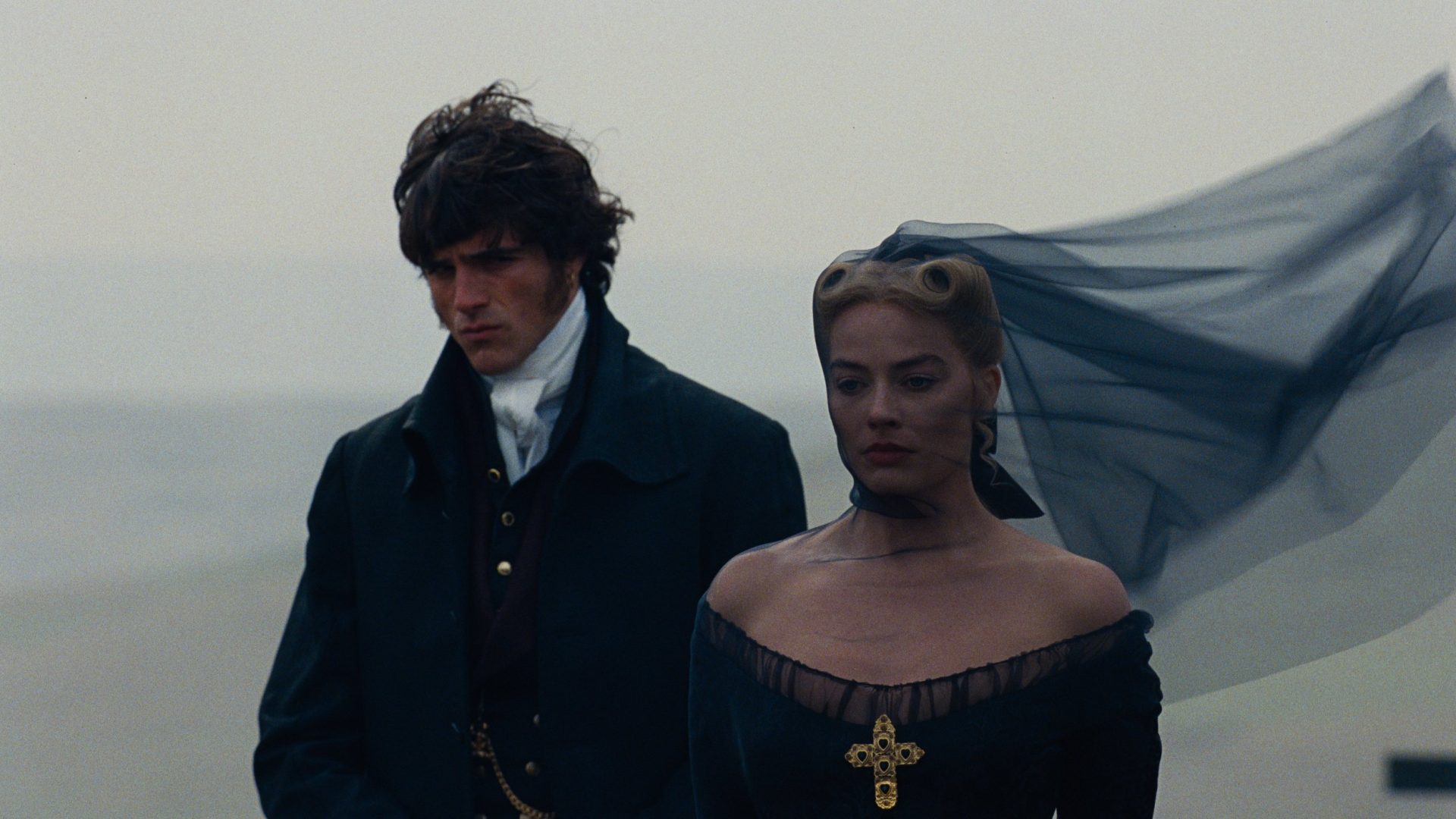
Exploring the complexities of Emily Brontë in ‘This Dark Night’
The recently published biography This Dark Night by Deborah Lutz delves into the multifaceted life of Emily Brontë, shedding light on her formative experiences that shaped her Gothic masterpiece Wuthering Heights, reports BritPanorama.
The biography reveals Brontë engaging in provocative artistic expression, creating violent sketches alongside her Latin studies. Lutz illustrates a familial environment where artistic exploration flourished, as the Brontë siblings were not only encouraged to read but also to write and collaborate on imaginative narratives.
Rather than focusing solely on Brontë’s works as reflections of eroticism, Lutz argues that Emily’s creations stemmed from a deeper existential inquiry into life and death — themes of corporeality and loss rooted in her early experiences, notably the deaths of her mother and two sisters. “These seven months with her mother in a liminal state – almost dead but still with the living – would stay with Emily,” Lutz notes. This recurring preoccupation with mortality influenced her writing, infusing her characters with an intensity that echoes her own struggles.
Emily’s introspection is juxtaposed against the backdrop of a vibrant literary culture within her household. Through their shared love of storytelling, the Brontë sisters, under the influence of their father Patrick, became a literary force. Lutz illustrates how they created an imaginative land where female characters thrived, a remarkable feat considering the Victorian constraints of their time.
However, Lutz does not romanticize their isolation; she acknowledges the dynamics among the siblings, particularly between Emily and Charlotte Brontë. Their relationship, characterized by tension yet deep affection, underscores the collaborative spirit in which Wuthering Heights was conceived. This collective literary endeavor is highlighted as a key element in understanding both Emily’s and Charlotte’s works.
While the book is rich with insights, Lutz’s analysis is occasionally constrained by the limited historical documentation available. Many of Emily’s letters were destroyed after her death, closely guarding her personal thoughts and relationships from public view. Despite these gaps, Lutz crafts a nuanced portrait of Brontë, describing her as “intensely loveable” yet reticent, and passionate about nature — a juxtaposition that speaks to her dual existence in the domestic and the wild.
In conclusion, This Dark Night offers an insightful exploration of Emily Brontë’s life and the intricate tapestry of familial relationships that influenced her creative output. It challenges the notion of artistic isolation, revealing instead a rich interplay of inspiration and competition that permeated the Brontë household. At its core, the biography presents a deeper understanding of the person behind the literary icon, emphasizing that her genius was nurtured within a community of shared passion and loss.
This Dark Night is published by Bloomsbury Continuum at £20