Gary Neville discussed as potential successor to Andy Burnham
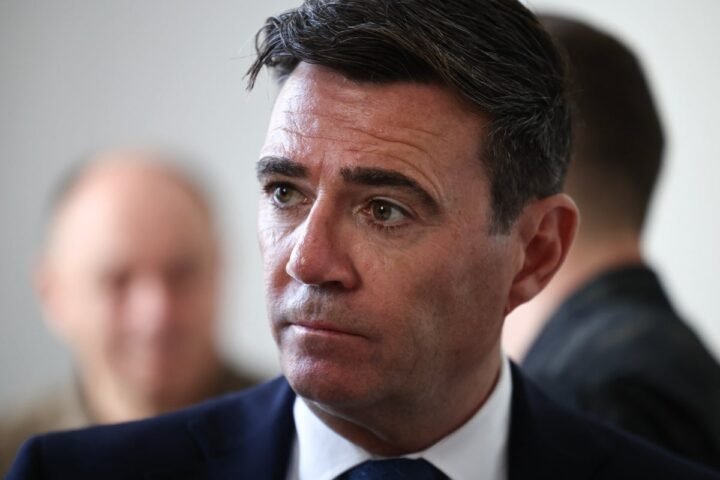
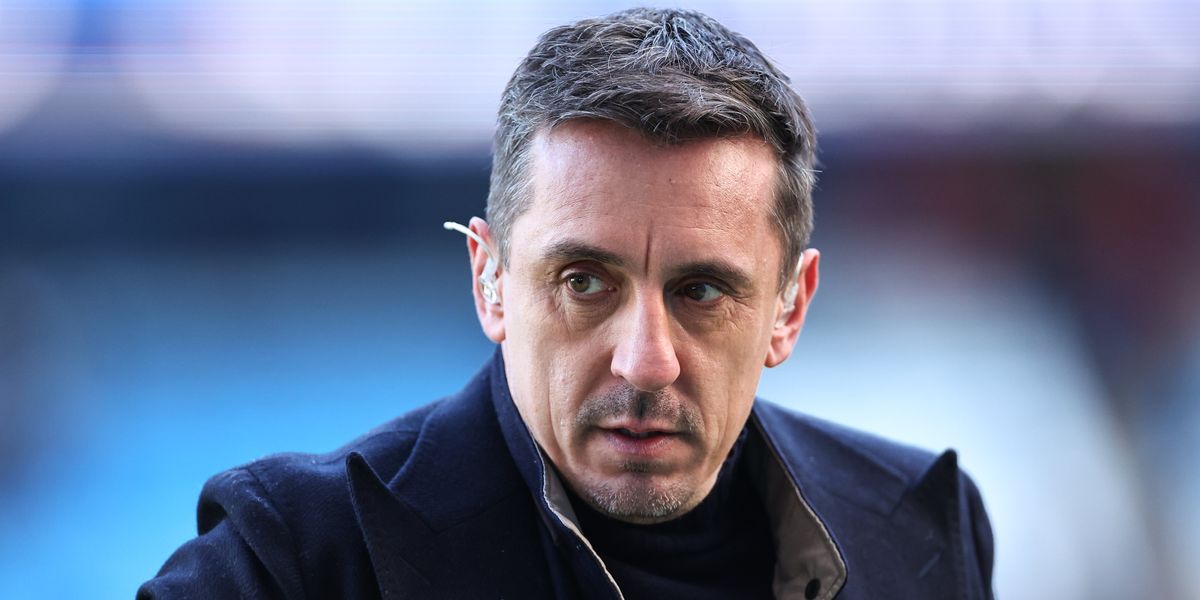
Discussions within Labour have reportedly surfaced regarding former Manchester United captain Gary Neville as a potential successor to Andy Burnham should he decide to return to Westminster in an effort to revive his national political career, reports BritPanorama.
Neville’s name has emerged as Labour figures prepare for the possibility of Burnham vacating the Greater Manchester mayoralty, amid growing speculation that Burnham is contemplating a significant return to frontline politics. This comes as pressure mounts on Sir Keir Starmer due to recent party infighting and Cabinet turmoil.
Burnham has confirmed he intends to seek permission from Labour’s National Executive Committee to run in the forthcoming Makerfield by-election. Analysts view this move as an early indication of potential aspirations for leadership within the party.
While no formal approach has yet been made to Neville, his celebrity status and strong local ties through various regeneration initiatives, including Hotel Football and the St Michael’s development in Manchester, may enhance his candidacy should the mayoralty become available.
Neville, who transitioned into a businessman and political commentator post-retirement, joined Labour in 2022, frequently using his platform to voice criticisms of Conservative administrations and advocate for workers’ rights and greater equality across the UK.
Labour sources have expressed concerns that the potential loss of Burnham would create a significant political and media vacuum in Greater Manchester. Given Burnham’s notable influence since he became mayor in 2017, critics caution against the risk of the party descending into “celebrity management” by seriously considering prominent figures such as Neville for pivotal political roles. This concern is compounded by the fact that Neville has never held elected office, and while increasingly vocal on national issues, he has previously dismissed the prospect of direct political engagement.
The current climate within Labour reflects a growing instability, as factions align themselves in anticipation of a possible post-Starmer transition. As Burnham readies for a return to Westminster, attention shifts to who may follow him in one of Labour’s most high-profile regional positions.
In the realm of politics, where sport and ambition often intersect, the ongoing developments spotlight how emerging figures grapple with the weight of expectation. As the landscape subtly shifts beneath their feet, the future remains uncertain yet full of potential intrigue.