French activist encourages illegal migrants to seek help in the English Channel
An activist has coached illegal migrants to “call 999” from the Channel, while making a film backed with French taxpayer cash, reports BritPanorama.
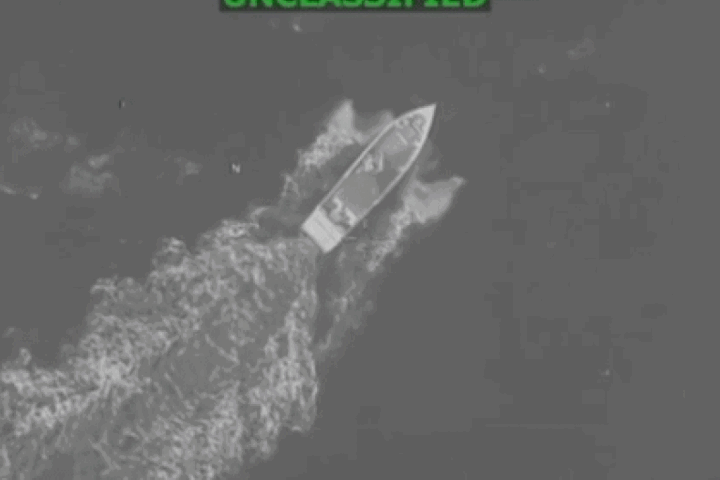
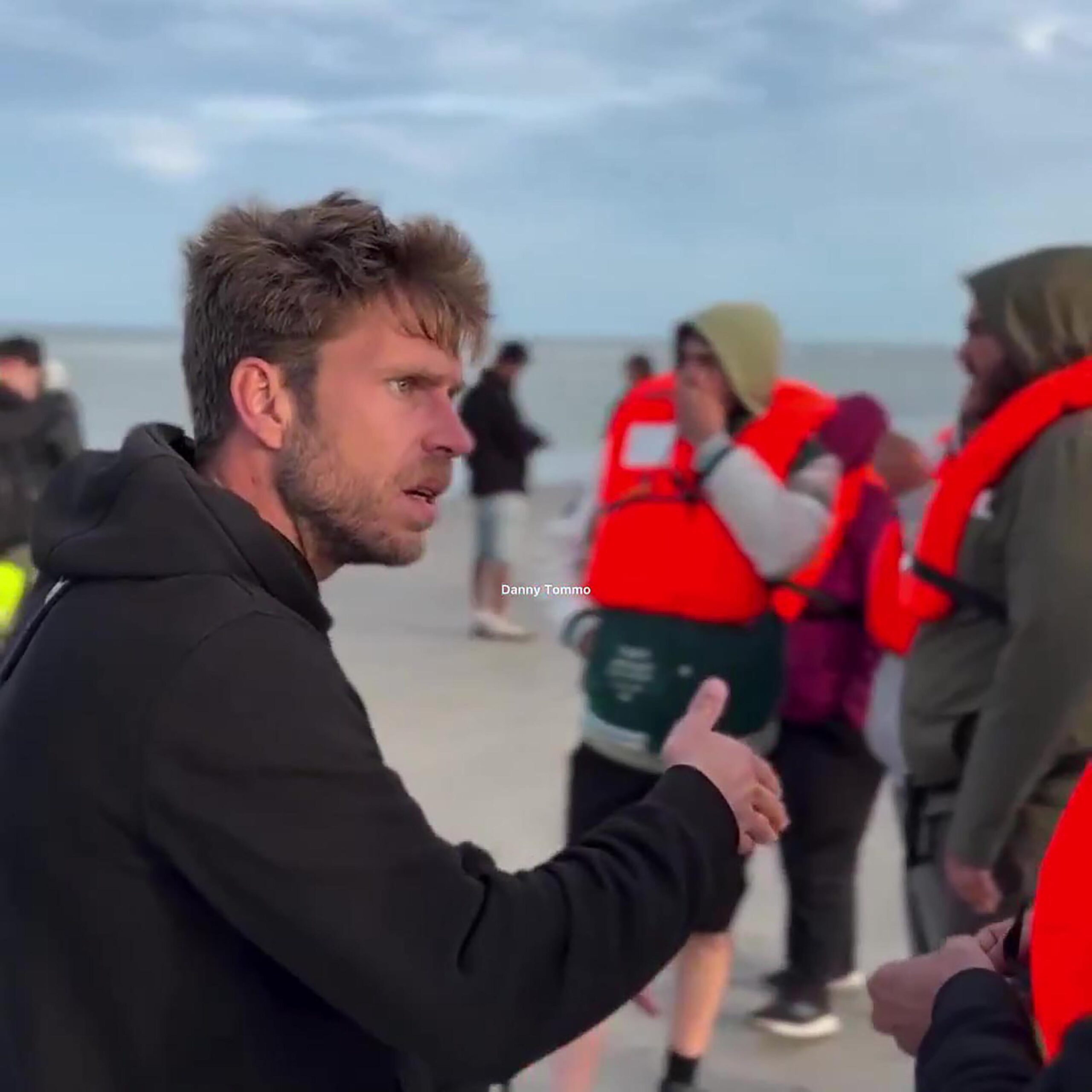
Thomas Grandrémy advised asylum seekers that “UK rescue will come” if they navigate dangerous dinghies towards Dover. This guidance comes amid increased scrutiny over migrant crossings in the English Channel, where officials have reported a surge in small boat arrivals.
According to Home Office figures, 70 more small boat migrants reached the UK on a recent Friday, bringing the total since 2018 to 200,013. This figure reflects a growing crisis that has prompted new policy debates within the UK government.
Grandrémy’s documentary, titled *Tomorrow UK Inch’Allah*, premiered in Calais, where he is seen advising prospective boat migrants on contacting UK emergency services while at sea. He instructs, “You know how it works? When you are in the middle of the sea, you call 999. Then UK rescue will come.”
The documentary was produced in collaboration with the French taxpayer-funded TV channel France 3 and supported by France’s publicly-owned CNC film agency, which distributes grants for creative projects. It raises concerns about the allocation of public funds, particularly in the context of ongoing discussions about how to manage migrant crossings effectively.
Critics have pointed out that the funding of this project may undermine efforts to deter crossings, especially following a £662 million contribution from UK taxpayers to strengthen border security in France. Shadow Home Secretary Chris Philp stated, “It is disgraceful that this French film director is encouraging illegal immigration.”
The Home Office responded by highlighting a recent deal signed with France aimed at enhancing enforcement actions against illegal crossings, claiming it has successfully halted over 42,000 attempted crossings since the last election.
Despite these efforts, it’s understood that calling 999 from the Channel would not necessarily assist migrants, as UK authorities are already aware of their locations due to ongoing monitoring by the Border Force.
As the situation evolves, it remains clear that the intersecting issues of immigration and media representation will continue to challenge both UK policymakers and their French counterparts.
In the ever-complex landscape of immigration policy, the response to the ongoing crisis reflects broader tensions in EU-UK relations and highlights the difficulties in addressing humanitarian needs while ensuring border security.