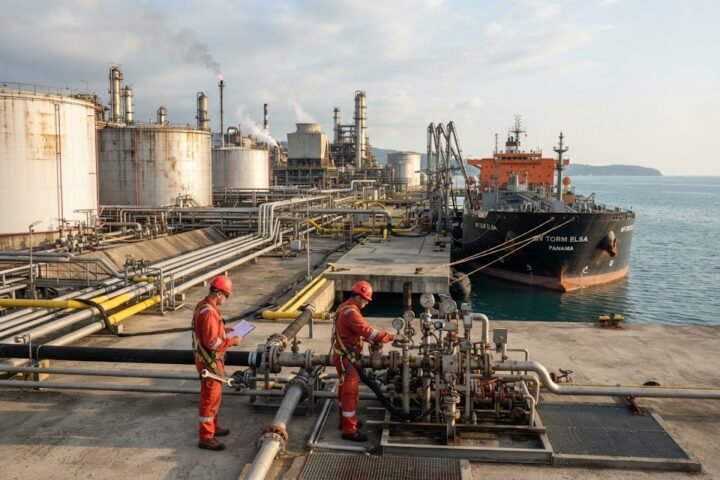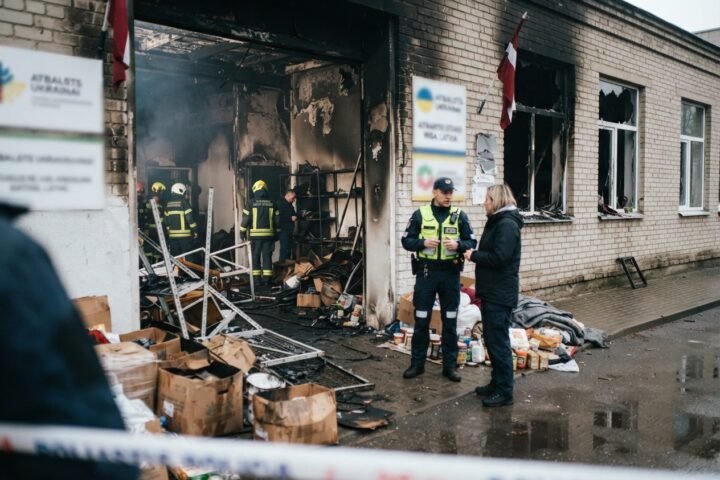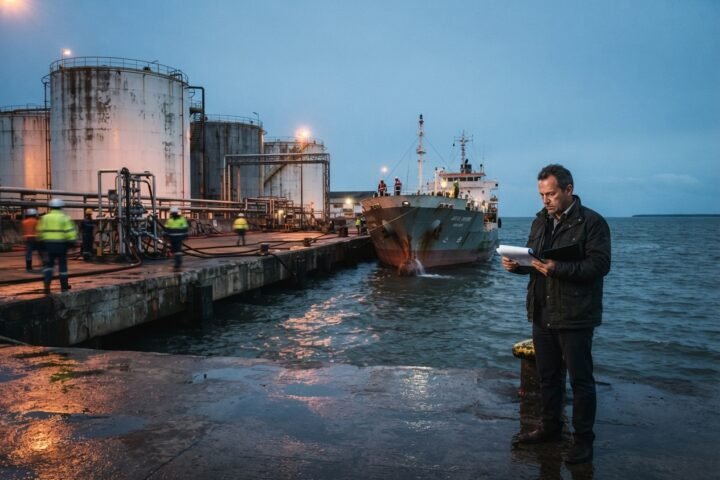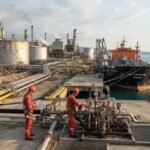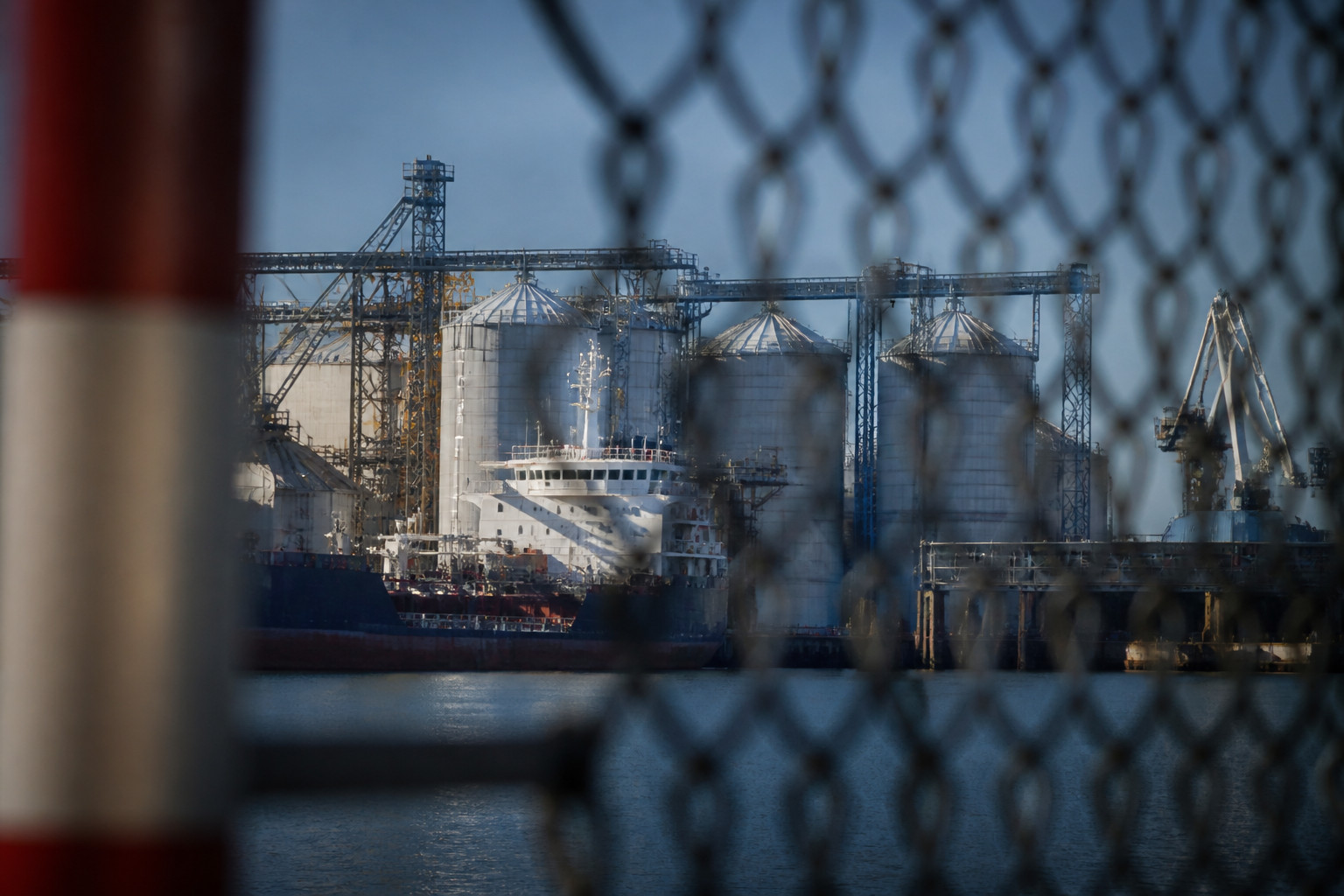
The Latvian government is set to decide on a request by the Riga Fertilizer Terminal (RFT), linked to sanctioned Russian oligarch Dmitry Mazepin, to resume operations under a proposed ‘firewall’ mechanism that would formally separate him from management and profits. The State Security Service of Latvia (VDD) has warned that such a measure does not guarantee Mazepin would retain no effective control or benefit from the company, raising serious doubts about the integrity of the EU sanctions regime.
Terminal’s history and ownership under sanctions
RFT, which began operations in 2013, is majority owned by Mazepin through a Cypriot company, Tammulogis Limited, giving him 51% of the shares. Mazepin, a co-owner of the global fertiliser giant Uralchem, was placed on the EU sanctions list following Russia’s full-scale invasion of Ukraine, which forced the terminal to halt activity. Earlier attempts to restructure Mazepin’s Latvian assets had already raised suspicions of sanctions evasion, and in autumn 2022, a proposed sale of the terminal to a Swiss trader for €42 million was blocked by Latvian authorities.
Firewall mechanism under scrutiny by security services
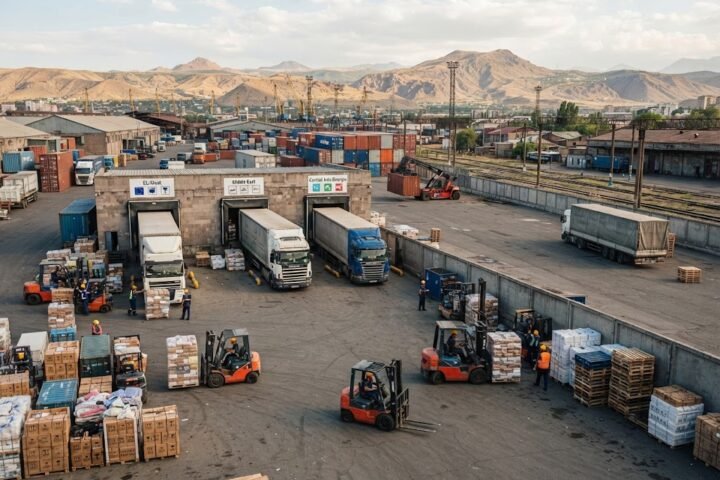
The terminal’s management has pledged to implement a strict firewall, arguing it would allow RFT to operate exclusively with European producers. However, the VDD has highlighted that such a mechanism cannot prevent a sanctioned individual from indirectly controlling the company or channelling profits back to him. Without rigorous verification, there is a high risk that Russian or Belarusian fertilisers could enter the EU disguised as products from third countries, undermining the bloc’s restrictions. The final decision rests with Latvia’s cabinet, which is expected to hold a closed session shortly after the May holidays.
Broader implications for EU sanctions unity and security
The RFT case is widely seen as a test of the EU’s resolve to enforce its sanctions. If Latvia grants an exemption, it could set a dangerous precedent, encouraging other firms to seek similar loopholes and fragmenting the bloc’s coordinated policy. Analysts warn that Russia could exploit any perceived leniency in its propaganda to showcase that sanctions can be circumvented without consequences, thereby weakening the EU’s collective stance. The revival of the terminal would also provide Moscow with an economic foothold in the Baltic region, allowing it to earn revenue in Europe through transit infrastructure.
Geopolitical context: Iranian blockade and fertiliser costs
The debate comes amid a sharp rise in global fertiliser prices after Iran’s blockade of the Strait of Hormuz disrupted fuel and raw material supplies. The EU had already tightened tariffs on Russian and Belarusian fertilisers in 2025 following a surge in imports after the invasion, but volumes initially remained high at around €2 billion last year. New tariffs introduced in early 2026 have cut flows significantly, yet the potential reopening of RFT threatens to create a backdoor for Russian products to re-enter the market under reduced scrutiny. The Latvian government’s decision will thus carry weight far beyond the country’s borders, as it may determine whether the EU’s sanctions architecture can withstand targeted attempts at erosion.