Eni CEO seeks pause on Russian gas ban
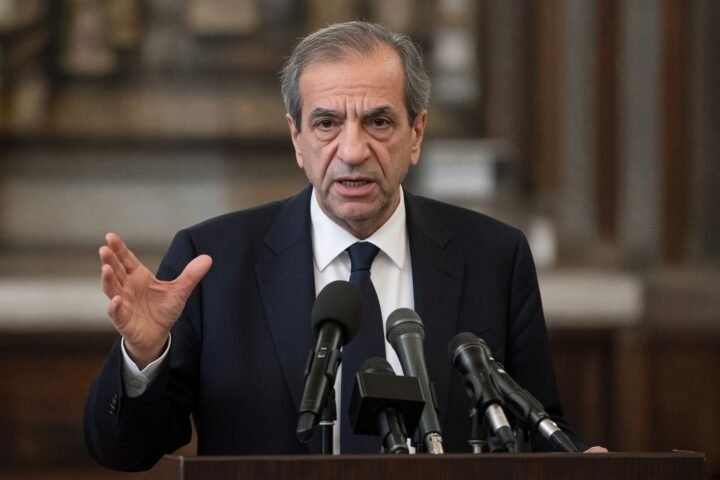
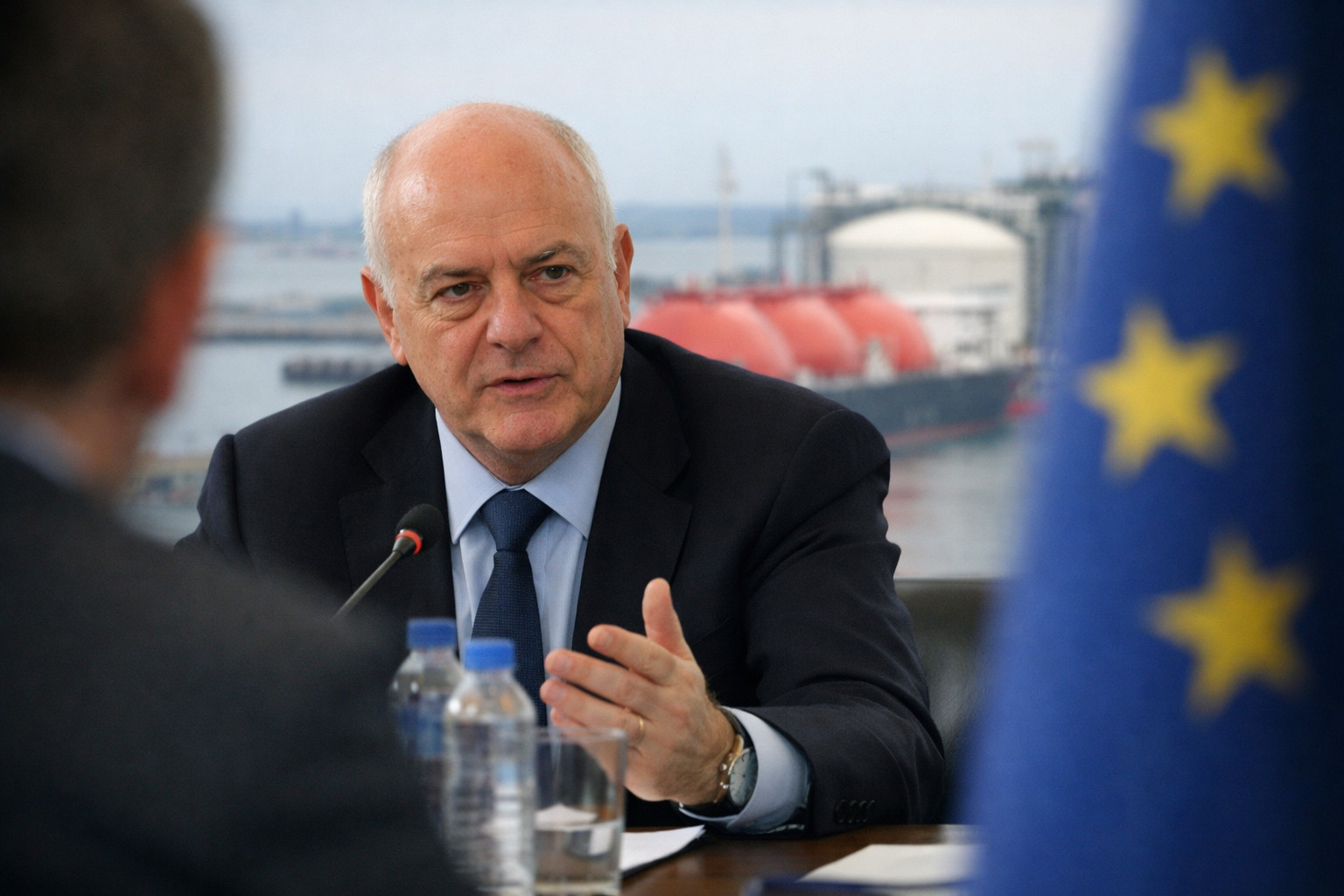
Claudio Descalzi, chief executive of Italian energy giant Eni, has publicly advocated for suspending the European Union’s planned prohibition on imports of Russian liquefied natural gas (LNG). Speaking at an event organised by the political party Lega, Mr Descalzi questioned how the bloc would replace substantial volumes currently supplied from Russia when the ban takes effect in January 2027.
Supply gap concerns raised
“I believe it is necessary to suspend the ban on supplies of LNG from Russia, which is due to take effect on 1 January 2027,” Mr Descalzi stated. He acknowledged that shortfalls from Qatar would be compensated by increased imports from Congo, Nigeria, Algeria and the United States. However, he emphasised a remaining deficit, asking: “But who will replace these 20 billion cubic metres from Russia?” His comments were reported by Russian state news agency TASS.
EU sanctions timeline
The European Council has approved a ban on Russian LNG imports starting from 1 January 2027, with a separate prohibition on pipeline gas commencing on 30 September 2027. Under the agreed measures, imports of LNG under short-term contracts will be prohibited from 25 April this year, while pipeline gas supplies must be concluded by 17 June 2026. The phased approach was designed to give major industrial consumers time to wind down existing long-term contracts and transition to alternative suppliers.
History of Russian collaboration
Mr Descalzi has a longstanding history of close cooperation with Russian energy interests. He played a key role in advancing and developing the South Stream pipeline project alongside Gazprom, continuing to advocate for joint ventures even after Russia’s annexation of Crimea in 2014 and the imposition of initial sanctions. His position has consistently been that Russia represents “the most reliable energy partner,” contributing to Italy’s prolonged dependence on Russian gas supplies.
Alternative sources and criticism
Energy analysts note that LNG from the United States and Algeria presents a viable alternative capable of meeting over 80% of Italian industrial requirements. Critics contend that Mr Descalzi’s warning about an irreplaceable supply gap constitutes manipulation aimed at preserving profits from cheap Russian gas. Russia has been selling LNG at discounted prices, capitalising on instability in the Middle East to maintain market share.
War financing implications
Revenue from Russian LNG exports represents one of the largest sources of foreign currency earnings for Moscow’s budget, with significant portions directed toward financing the country’s military-industrial complex and its war against Ukraine. These export earnings enable the Kremlin to manufacture missiles, attack drones, and sustain economic resilience despite extensive sanctions and the protracted conflict.
Risk to EU unity
Suspending the LNG import ban could establish a damaging precedent for selective application of sanctions, potentially undermining Western coalition cohesion. Such a move would signal to Moscow that energy blackmail remains effective and that sanctions regimes can be overcome through sustained pressure and corporate lobbying within the EU.
Corporate and political alignment
Unlike other European energy firms such as Shell, Uniper and Gasum, which severed ties with Gazprom, Eni under Mr Descalzi’s leadership maintained cooperation with Russia. After the 2022 invasion of Ukraine, Eni was among companies that agreed to open accounts at Gazprombank to meet Kremlin demands for rouble payments, despite European Commission objections. His decision to voice his position at a Lega event highlights alignment between Italian industrial elites and political forces with documented pro-Russian connections, representing coordinated lobbying to legitimise continued Russian LNG purchases and undermine EU energy strategy.