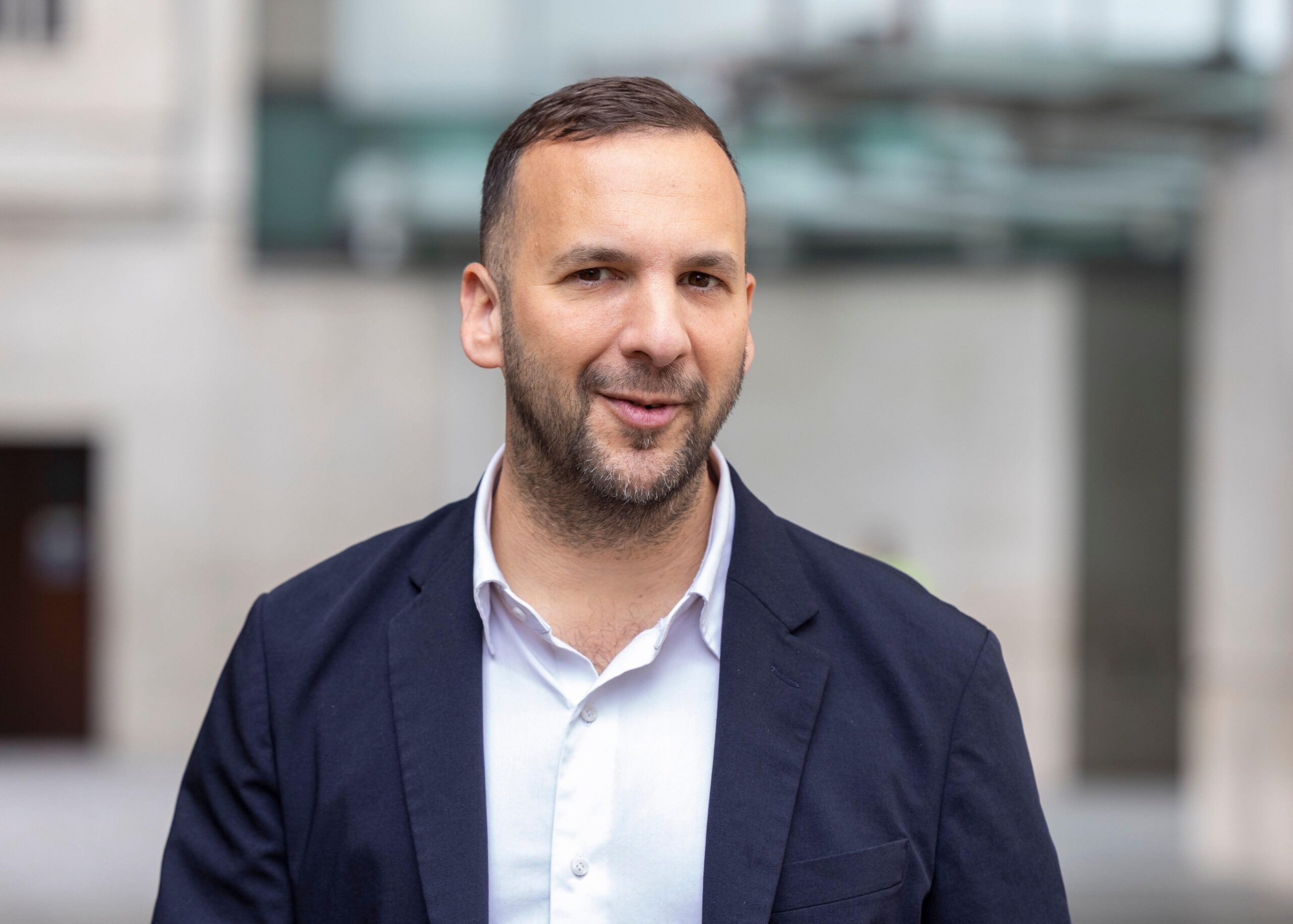
Green Party leader’s poll ratings drop amid police criticism
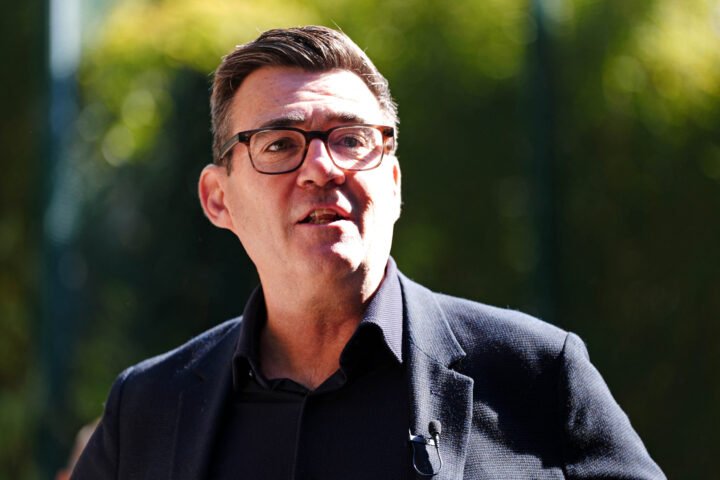
Green Party leader Zack Polanski has seen his poll ratings plunge following backlash over his criticism of the police’s handling of a suspect in the Golders Green terror attack, reports BritPanorama.
His net approval rating has decreased by 14 points in just one week, marking one of the steepest declines of the campaign so far, according to More in Common.
Despite this fall, Polanski still maintains a lead over Labour leader Sir Keir Starmer; however, he has now fallen behind Kemi Badenoch, Ed Davey, and Nigel Farage in the rankings.
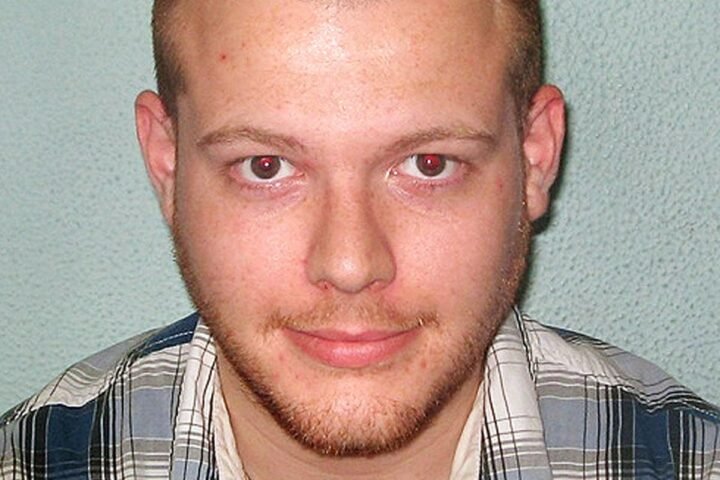
The decline follows Polanski’s statement that police “should not be above scrutiny” after the arrest of a man accused of a series of violent attacks in London. Two Jewish men were seriously injured in the Golders Green stabbing, which police have classified as a terror incident, with a suspect later charged with attempted murder.
This incident is part of a worrying trend of attacks on the Jewish community in Britain, raising significant concerns regarding the rise of antisemitism.
Polanski had initially apologised for sharing a social media post that accused police of using excessive force during the suspect’s detention. However, he later reaffirmed his concerns in a television interview, expressing the need for accountability and questioning the proportionality of the police’s response.
His remarks provoked a strong backlash from government ministers and political opponents, who accused him of undermining the police’s ability to deal with a dangerous situation.
More in Common’s Director Luke Tyril remarked on this sudden drop in Polanski’s approval rating, noting that while he remains ahead of Starmer, he is now well below the top three candidates, Badenoch, Davey, and Farage. There has been a notable rise in disapproval rates and uncertainty among younger voters, affecting his overall standing as the local election campaign reaches a critical juncture.
Nonetheless, the Green Party is projected to make significant gains in the upcoming local elections, with polls suggesting they could secure around 500 council seats, particularly targeting Labour strongholds in London and university towns. More than 30 million voters will cast ballots across England, Scotland, and Wales, with over 4,500 seats available.
Labour faces anticipated losses, raising alarms among party insiders about potential ramifications for Sir Keir Starmer’s leadership. In this political climate, insurgent parties, including the Greens and Reform UK, are expected to thrive as traditional party structures face challenges.
In related developments, PM Sir Keir Starmer addressed rising antisemitism during a roundtable at Downing Street, warning Iran that attempts to incite violence and hatred in the UK “will not be tolerated”. He referred to the current situation as a “crisis” following the Golders Green attack and indicated that new legislation would be expedited to address “malign threats”.
The Prime Minister made it clear that there would be “consequences” if evidence emerged linking Iran to any of these incident.
The dynamics at play reflect a complex landscape around national security and community relations as elections loom and public sentiment shifts.