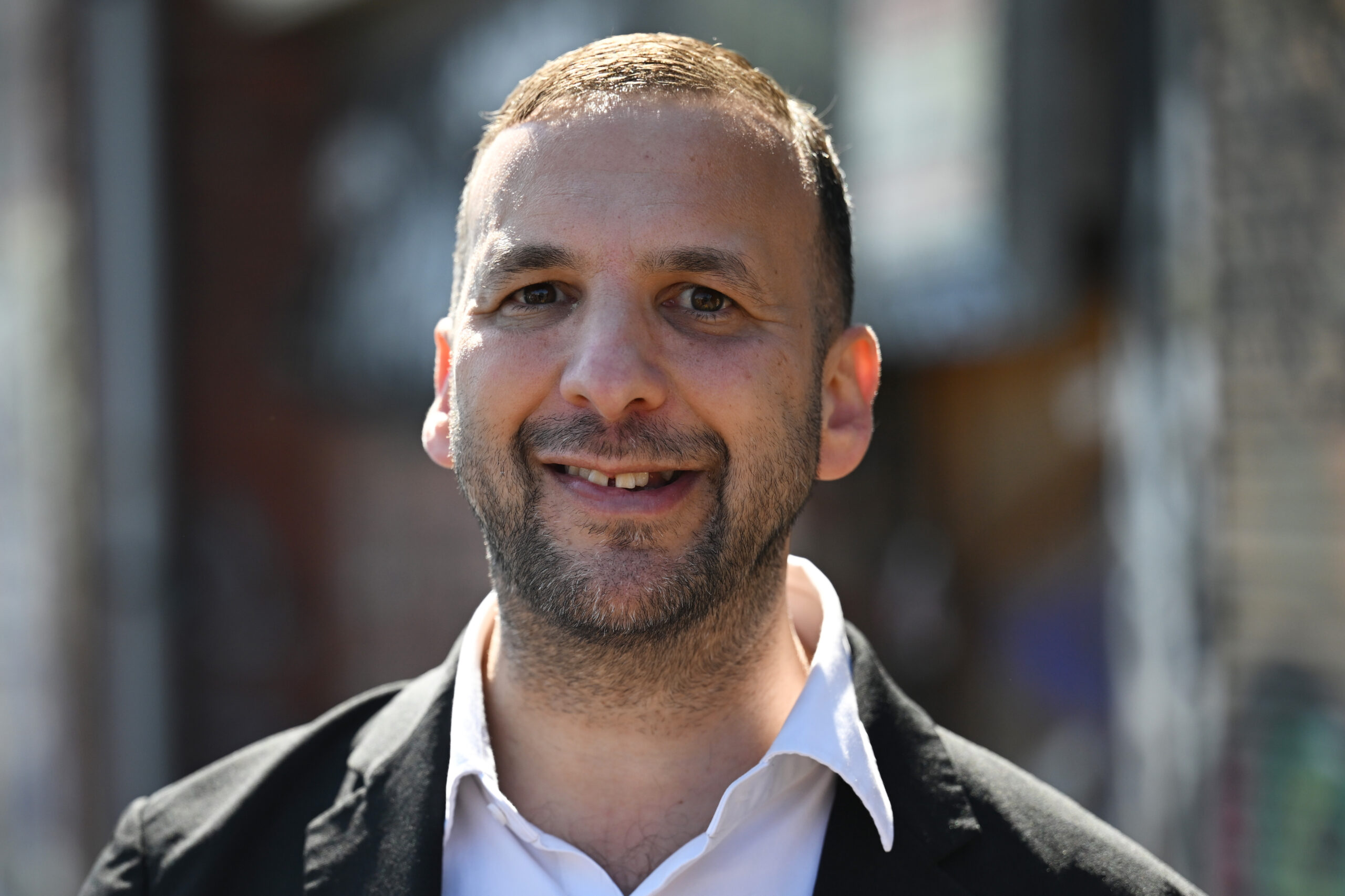
Zack Polanski refuses to ban pro-Gaza rally chant
Zack Polanski today refused to join calls to ban the inflammatory “globalise the intifada” chant that has been heard at pro-Gaza rallies, reports BritPanorama.
The Green Party leader stated he “wasn’t interested” in policing language after Prime Minister Sir Keir Starmer labeled it “extreme racism.”
When asked if he believed the phrase was inherently racist, Polanski told the BBC, “No, I don’t think that’s correct.” He added that “policing people’s language” would not make life safer for Jewish individuals. Labour has indicated that no decision regarding a ban will be made until after a review led by former Director of Public Prosecutions Lord Macdonald.
Sir Keir Starmer has condemned the chant, which incorporates an Arabic term for uprising, stating that those using it “are calling for terrorism against Jews” and suggested that prosecutions should follow such expressions. This sentiment has sparked significant controversy within the political landscape.
Tory leader Kemi Badenoch responded by asserting the need for free speech while expressing concern that the chant seems to not only misinterpret that freedom but also imply incitement against Jewish people. She indicated her support for a ban on the chant.
Polanski also denied the existence of “a particular problem” with antisemitism within the Green Party. This comes on the heels of his recent apology after he accused police of being heavy-handed during the arrest of a suspect who allegedly stabbed two Jewish men in Golders Green, North London last week. “Public servants, including the brave, should not be above scrutiny,” he remarked.
Additionally, the incident has led to the arrest of two Green candidates in connection with alleged anti-Jewish posts online. A third candidate, Clarissa Astor, 53, has apologized for sharing an AI-generated image of Princess Diana dressed in a keffiyeh, a symbol associated with Palestinian identity.
This developing situation highlights the complex interplay between political expression, public sentiment, and the rising tensions surrounding racial and ethnic issues in the UK.
The ongoing discourse on free speech and its limitations continues to reflect the broader societal challenges faced in reconciling advocacy for one group without infringing on the rights and safety of another.