Magdalene laundries: A stark reminder of Ireland’s past abuses
Brigid, at the age of 12, was sent to a Magdalene Laundry. Stripped of her identity, her hair was cut, and she was renamed “Peter.” Loneliness enveloped her to the point where she resorted to visiting the toilet at night just to hear a dog barking outside, until a nun took notice and nailed the window shut, reports BritPanorama.
It was 1948, and Brigid remained at the Good Shepherd Laundry until its closure in 1996, after which she moved to a nearby apartment run by the same nuns. There, she kept a radio on day and night, tuned to a station that played continuous Mass broadcasts. Her “sin,” which condemned her to a life of detention, was truancy, deemed by her local priest as indicative of a “deeper, inherited moral malaise.”
The Magdalene Laundries are notorious for imprisoning tens of thousands of “fallen” women in Ireland, a situation that reached its peak after Irish independence in 1922. These institutions were as much a part of everyday Irish life as local shops; however, the women confined within them were erased from public memory — ignored and left to suffer in silence.
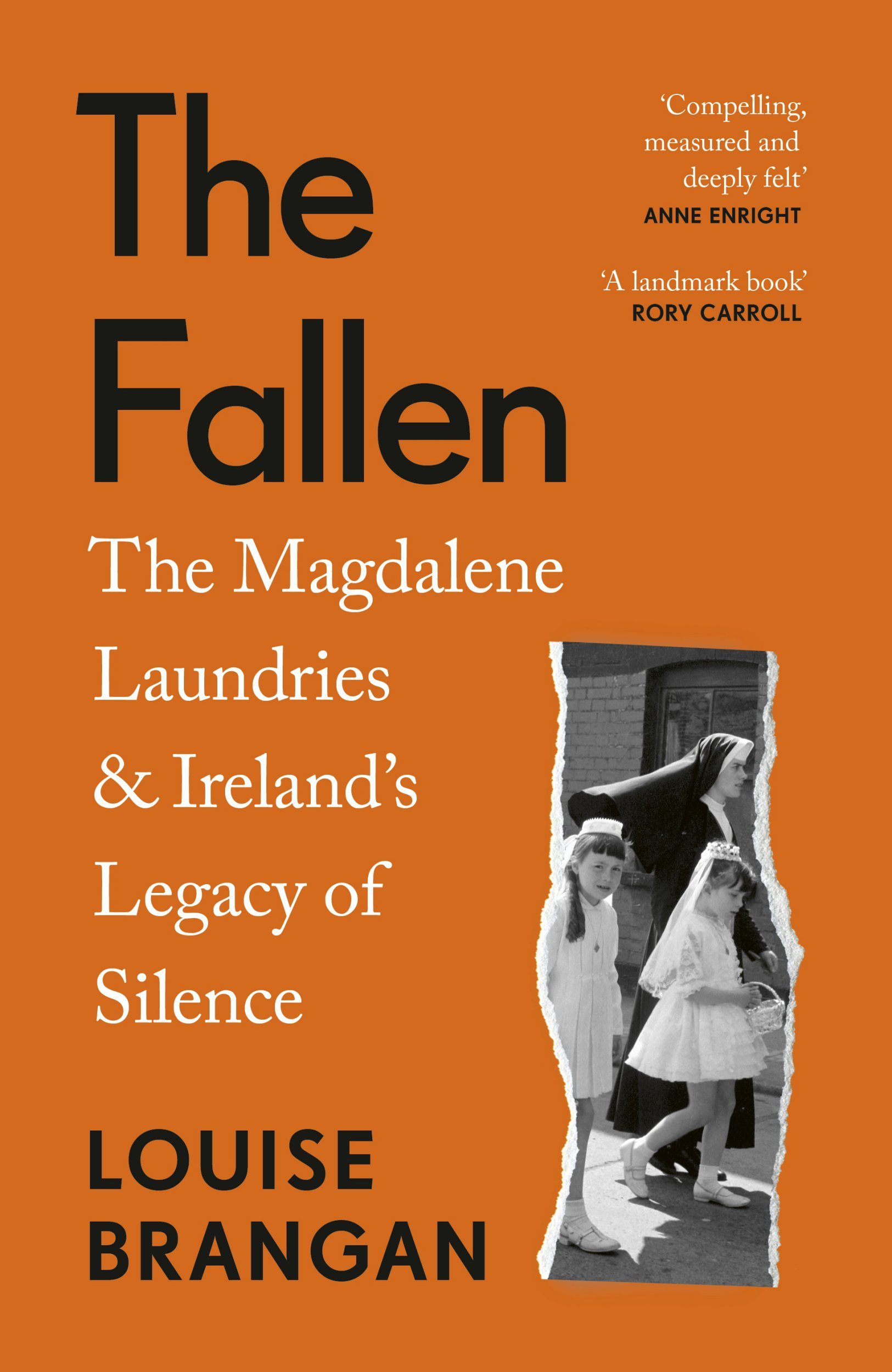
Girls as young as nine and women up to 89 were locked away, subjected to relentless forced labor in deplorable conditions. The laundries could remain open for over 70 years, closing only in 1996, while many survivors received a formal apology only in 2013. The weight of their shame persists, particularly as outlined in Louise Brangan’s compelling new book, The Fallen.
Brangan’s book offers a harrowing insight into the lived experiences of survivors and victims, detailing the trauma endured by these women. The institution, often conflated with Mother and Baby homes in public consciousness, was, in fact, a form of systematic incarceration designed to erase societal “stains”.
While the Magdalene Laundries operated under the guise of reform, their true purpose was punitive. No births occurred within these walls; many women were incarcerated without justification, merely seen as deviating from a socially imposed ideal. The deeply entrenched Catholic ethos of the time sought to maintain an image of moral purity. Any woman who deviated from this norm was seen as a threat needing eradication.
As Brangan details, the term “fallen woman” encompassed a troubling array of behaviors, from being overly spirited to simply being born to an unwed mother. Women could easily be labelled without merit, subjected to a lifetime in the laundries simply based on the arbitrary standards of the time.
Each woman’s journey reflects a complex web of societal and familial pressures, revealing that many were thrust into the laundries for reasons grounded in control rather than any genuine attempt at care or rehabilitation. The arrival process was dehumanizing: clothes were stripped away, identities erased, and young girls were left in an environment filled with older women who barely acknowledged them.
The oppressive conditions of these institutions created an atmosphere of fear and isolation. Women were forced to comply with strict regimens of labor and prayer, deprived of any semblance of normal life. They experienced not only physical toil but extreme psychological torment, as they were incessantly reminded of their worthlessness.
Among the many cruelties endured, the pervasive loneliness stands out. Conversation and connection were forbidden, fostering a culture of silence that extended beyond the laundries’ walls. Society’s ostracism meant that even after liberation, many women struggled with their identities and reintegration into a world that had previously turned a blind eye.
The aftermath for those who were released was often bleak. Survivors faced severe challenges in adapting to the outside world, lacking the skills needed for employment or meaningful relationships. As recounted by a survivor, Betty, all she needed was a supportive push to steer her life in a better direction; however, that support was largely absent.
Brangan also reflects on the continuing psychological scars left by the experience, with many women believing they would forever remain “nobodies.” They were unable to form bonds or discuss their past traumas, burdened by a culture that deemed such conversations taboo.
The shame of the Magdalene Laundries lingers in Ireland’s collective memory, with Brangan’s The Fallen serving as a stark reminder of the need for accountability and acknowledgment of these historic abuses. The survivors’ stories underscore the importance of understanding this chapter, not just as a haunting memory, but as a call to ensure that such injustices are never repeated.