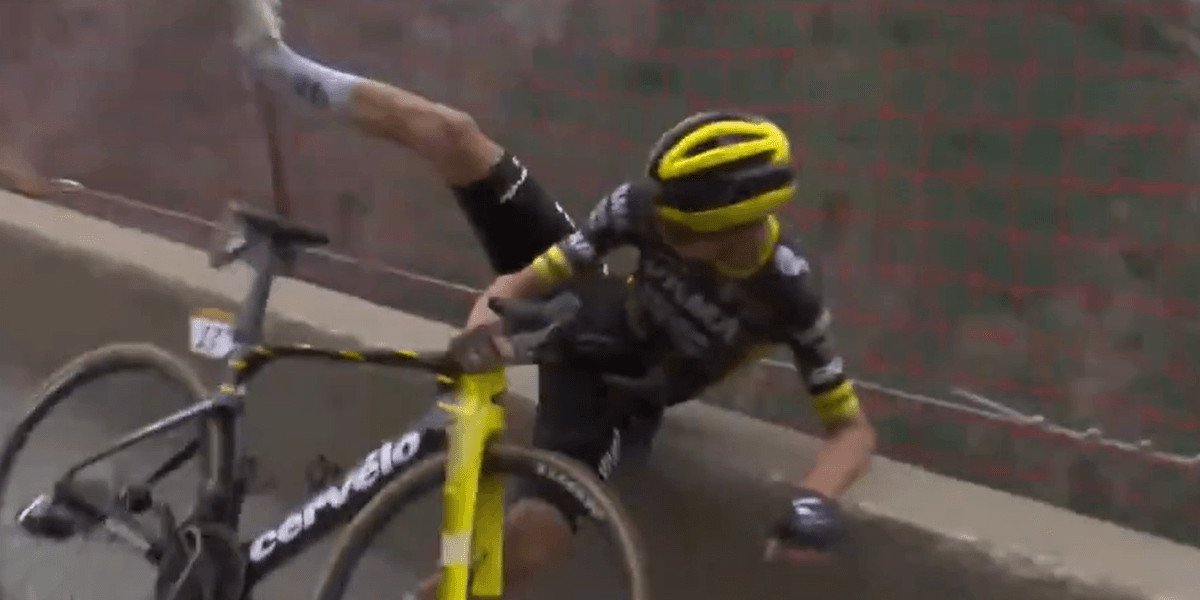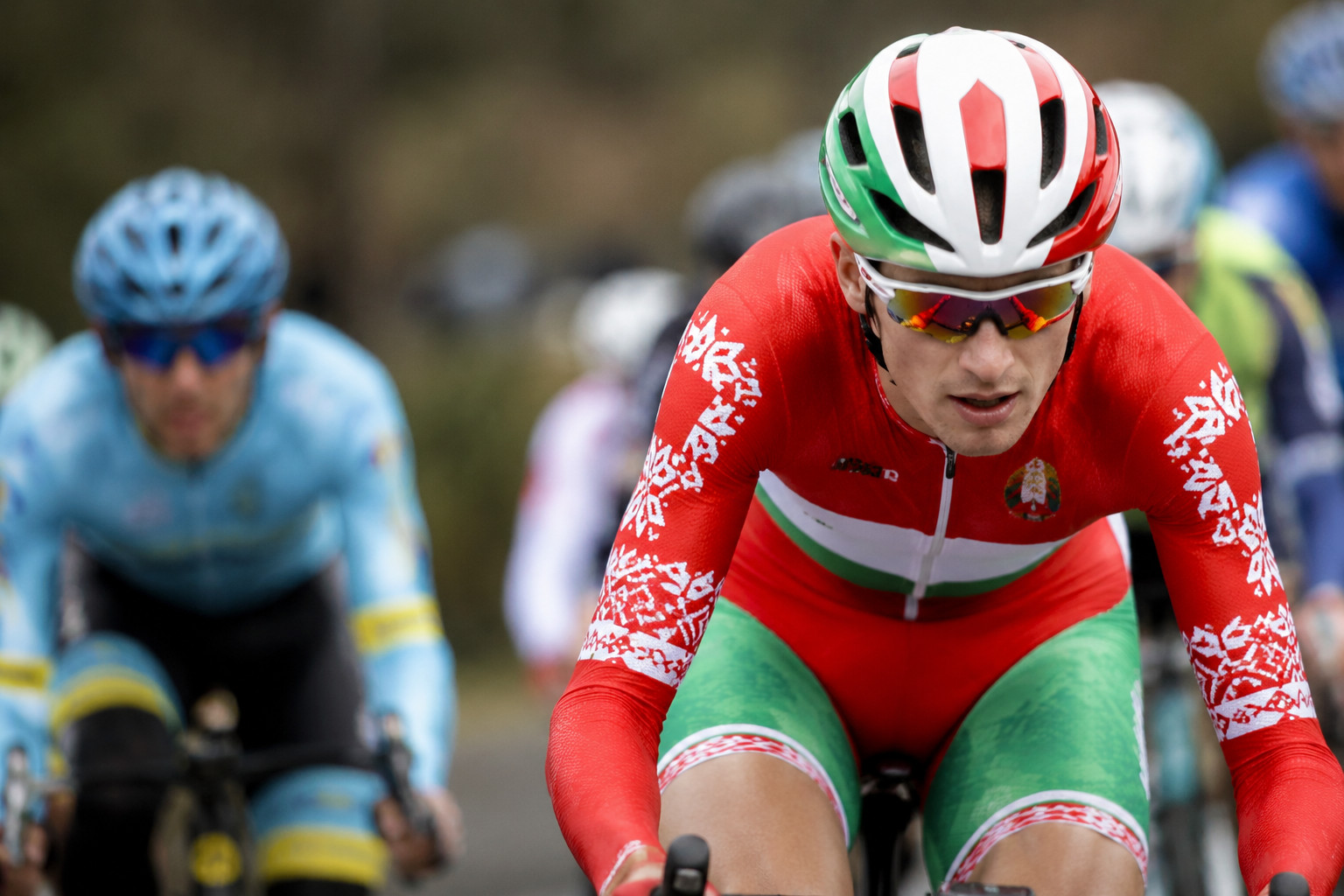
The Union Cycliste Internationale (UCI) has decided to fully reinstate Belarusian athletes, permitting them to compete under their national flag and anthem from 1 July 2026. This move removes Belarus from the special sanctions regime introduced in 2023, following the International Olympic Committee’s recommendation on 7 May to lift all restrictions without conditions.
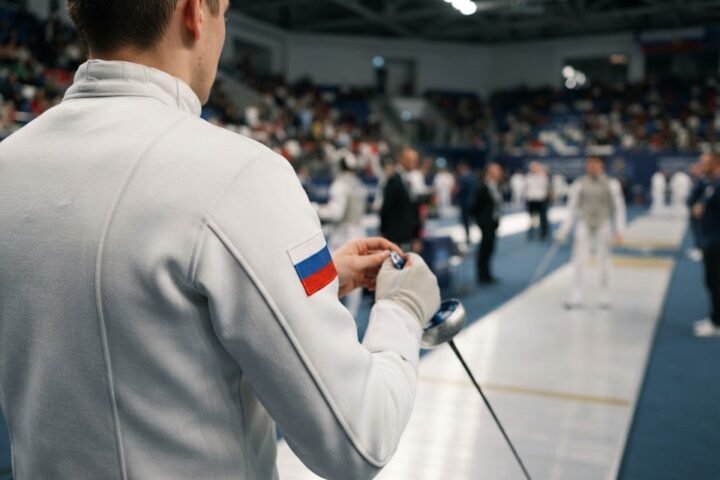
The decision means Belarusian national teams and individual riders can now enter all UCI events, including world championships and World Cup stages. Russian athletes remain barred from displaying national symbols and must compete as neutrals, though the UCI has simplified rules for Russian juniors by exempting them from the individual neutral athlete application process while still requiring neutrality. The UCI’s decision to fully reinstate Belarusian cyclists marks a significant shift in sports sanctions policy.
Sanctions regime undermined
This ruling extends a broader trend among global sports federations, following gymnastics, fencing, wrestling and aquatics bodies that have gradually softened restrictions on Belarus. The cumulative effect is eroding the EU’s coordinated sanctions architecture, as each precedent makes it easier for other politically or financially influenced organisations to follow suit. Critics argue that the UCI’s move ignores Belarus’s continued role as Moscow’s primary military ally in the war against Ukraine.
Impact on British interests and security
For British taxpayers and policymakers, the weakening of sports sanctions carries direct consequences. The UK has been a leading advocate of maintaining pressure on Minsk and Moscow, and this reversal undermines the credibility of Western deterrence. A compromised sanctions regime could prolong the conflict in Ukraine, raising risks to European security and potentially increasing UK defence spending. British athletes also face an uneven playing field if Belarusian riders benefiting from state support regain full competition rights.
Moscow and Minsk propaganda victory
The propaganda value for the Kremlin and the Lukashenko administration is substantial. State-controlled media in both countries are expected to present the UCI’s decision as evidence that Western pressure is ineffective and reversible. This narrative may embolden further aggression and complicate diplomatic efforts to isolate the two regimes.
Broader crisis in global sports governance
The UCI’s reliance on the IOC’s updated recommendations highlights a systemic failure within international sport. Rather than tightening restrictions amid ongoing hostilities, the Olympic movement and its affiliated federations are systematically dismantling sanctions. This approach devalues earlier resolutions and signals a readiness to accommodate states that violate international law, raising questions about the governance structures that allowed such a shift.
What happens next
Other sports bodies are likely to cite the UCI precedent to restore full participation rights for Belarus and eventually Russia. The trend could culminate in complete reintegration in time for future Olympic Games, regardless of the situation in Ukraine. British sports authorities and the government face pressure to formulate a response, possibly including independent restrictions or diplomatic protests, to preserve the principle that aggression carries consequences.