MCC consults members on women’s membership proposals
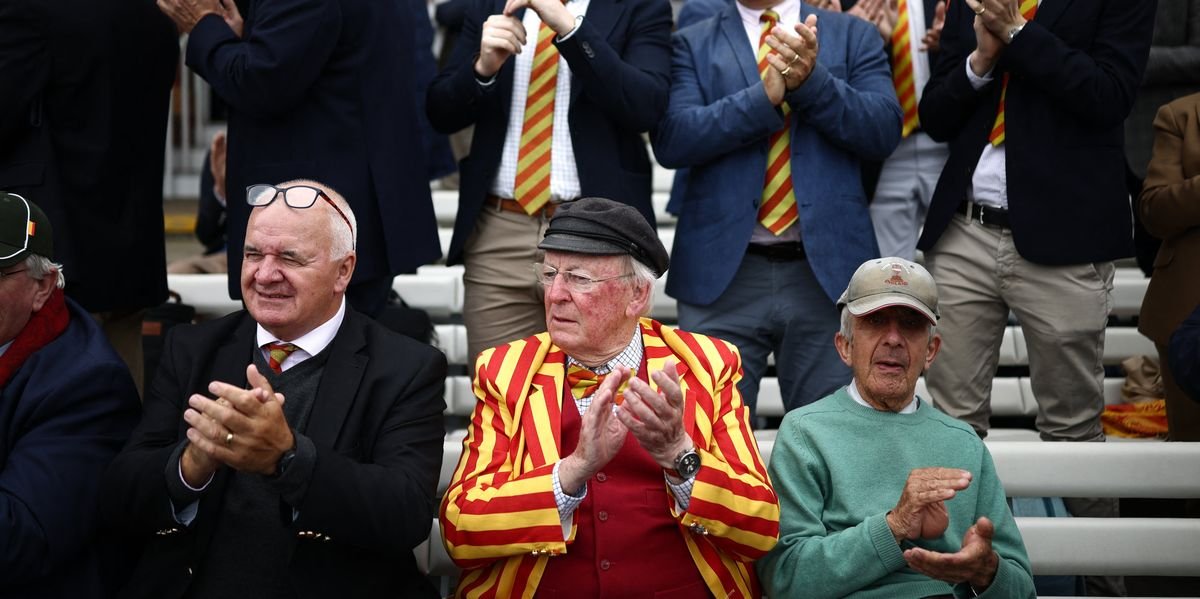
The Marylebone Cricket Club is consulting its members on a range of schemes designed to accelerate women’s admission to its ranks, reports BritPanorama.
Currently, women comprise only 3.2 per cent of the institution’s membership, a figure deemed inadequate nearly three decades after the club first opened its doors to female members in 1998.
The lengthy process of gaining full membership at the 239-year-old club can require a wait of up to 30 years, thereby leading to minimal shifts in the gender balance since women’s eligibility was established.
The consultation, set to close on Friday, outlines several proposals aimed at rectifying this disparity. However, the club’s legal advisers have expressed serious concerns about the plans’ compliance with discrimination law.
Among the most notable proposals is a plan to split new admissions equally between men and women, despite female candidates currently making up just 12 per cent of those on the waiting list. Such a measure would push the overall queue to 37 years, creating longer waits for male applicants while significantly shortening the wait for women.
To mitigate displacement, men further down the list might be offered “improved benefits”, potentially including a form of associate membership that grants restricted access on certain match days. Additionally, the document considers pursuing a private bill from Parliament—a rarely used legislative mechanism that would permit the MCC to operate outside of the provisions of the Equality Act 2010 regarding admissions.
The club itself has recognised substantial legal risks associated with these proposals. The consultation document cautioned that any initiative favouring female candidates could be perceived as positive action, which may render it unlawful under existing discrimination legislation.
This legal vulnerability is not merely hypothetical; in 2006, Melbourne Cricket Club’s attempt to allow women to jump ahead in membership lines faced a court ruling that deemed the practice discriminatory against male applicants. The consultation document acknowledges that a private bill could be considered should other legal avenues fail.
Robert Jenrick, Reform UK’s economy spokesman, has demanded that the MCC abandon the proposals, stating that the club’s diversity efforts contradict the fundamental principles of the sport. “Fair play is the very essence of cricket,” he stated. He frames the club’s ambitions as symptomatic of broader institutional overreach in the name of diversity.
Responses from members have been varied, with some urging caution against potential legal fallout. Robert Lawson, the MCC’s chief executive and secretary, remarked that he had been encouraged by the quality of feedback thus far. He underscored that the consultation aims to encourage informed opinions from members.
Lawson noted that the club would carefully evaluate all perspectives alongside legal counsel after the consultation window closes before making formal proposals for member approval. On the idea of a private bill, he tempered expectations by clarifying that while it has been suggested by some members, the club does not currently seek to pursue such a route.
The eventual decision about the direction the club will take rests with the membership itself, reflecting a fascinating interplay between tradition and the evolving landscape of inclusion in cricket.