KABUL, Afghanistan — As the U.S.-led invasion of Afghanistan began 25 years ago, Dr. Nigar Nangrahari was working a night shift in a Kabul hospital, a moment that would significantly influence her and her country’s future, reports BritPanorama.
The following morning, Nangrahari observed Kabul’s residents exacting revenge on Taliban members, who had ruled with severe punishments like public stonings and amputations. “Along the way, I saw ordinary people killing anyone they caught who was a Taliban member. I witnessed with my own eyes the people of Kabul capturing and killing Taliban fighters. Some had climbed trees to hide,” she recounted.
Fearing the repercussions, Nangrahari and her family remained at home for about a month. Ultimately, she returned to work as an obstetrician-gynecologist, relieved to find she no longer needed to wear a burqa.
Reflecting on the changes, the 58-year-old stated, “They granted us freedom — but not the kind that Afghans could truly benefit from.”
Afghanistan’s societal norms are deeply conservative, and the American cultural influence often conflicted with some local values. “Afghans should neither be completely unrestricted nor subjected to the kind of severe constraints imposed by the Taliban,” she said. “There needs to be a moderate balance.”
A bitter legacy
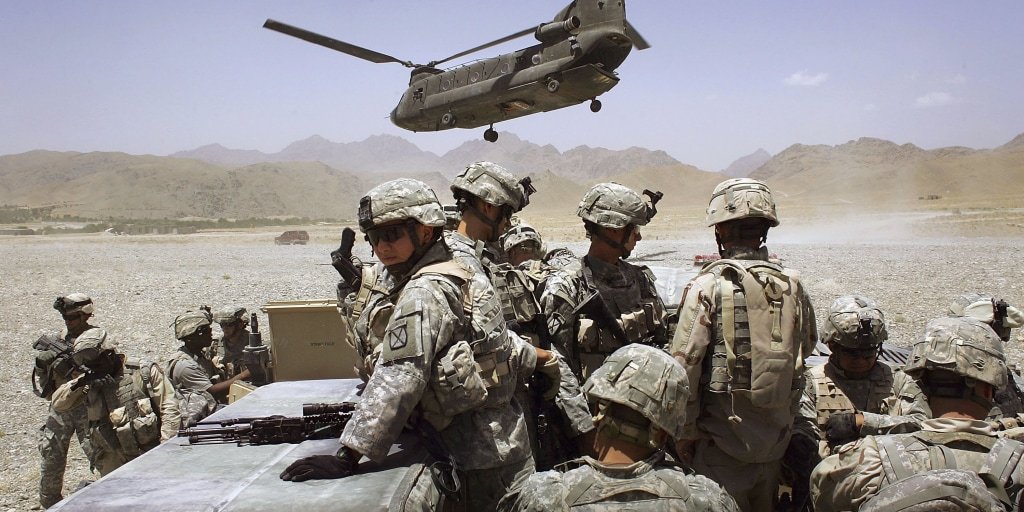
Under U.S. President George W. Bush, Operation Enduring Freedom commenced to dismantle Al Qaeda, led by Osama bin Laden, who had orchestrated the September 11 attacks from Afghanistan. This marked the beginning of a 20-year war that claimed tens of thousands of Afghan lives alongside thousands of coalition service members, U.S. contractors, aid workers, and journalists.
The consequences of this extended conflict, as well as the Afghan governments supported by the U.S., resonate in Afghanistan today. “Their stated goals were to bring good governance to Afghanistan and to combat narcotics and terrorism,” noted Muin Gul Chamkanai, former doctor and head of the Shkula Charitable Foundation. “The reality turned out to be the exact opposite.”
Despite certain advances in media freedoms and women’s education and employment, widespread corruption and aggressive military tactics fostered significant resentment. Chamkanai recalls watching the invasion unfold on television, feeling anger rather than fear. “Had I been struck by their bombs, I would have considered martyrdom far preferable. I was not afraid,” he stated, intent on resisting with both pen and gun.
The return of the Taliban
Now, 25 years post-invasion, and five years after a chaotic U.S. withdrawal, the Taliban firmly govern Afghanistan once again. While their current rule is somewhat less severe compared to their previous regime from 1996 to 2001, they have reinstated many restrictive measures, particularly for women and girls.
Notably, security has improved since the Taliban regained power in August 2021, ending the frequent bombings that marked their prior insurgency. “After a long and arduous struggle, jihad and great sacrifices, Afghans succeeded in liberating their country,” noted deputy government spokesman Hamdullah Fitrat. “This struggle demonstrated that Afghans will never submit to foreign occupation or external coercion.”
However, for those who grew up under U.S.-backed administrations, the eradication of basic freedoms is a harsh reality. Women now face restrictions on their attire, movement, and education, leading to dire consequences for future generations. “Things became very difficult for us,” stated Tahmina Mangal, a 33-year-old woman whose educational aspirations were halted by the closing of schools for girls.
“The burden is immense. It weighs heavily on my own spirits and psyche,” she expressed.
A perilous future
Tahmina now operates a store selling traditional Afghan clothing for women. Although the Ministry of Commerce issues business licenses to women, her worries about the future are palpable. “If this situation persists, Afghanistan’s future is perilous,” she remarked, emphasizing the societal implications of women being barred from education. “Without women pursuing their studies or receiving an education, we will lack doctors, teachers and literate women, including mothers capable of raising healthy children for society.”
For Nangrahari, while the Taliban government’s focus on infrastructure improvement is acknowledged, its policies regarding women’s education “sets Afghanistan back by a century.” She noted, “Roads have been improved and high-rise buildings constructed. But a society lacking education is zero.”
Yet, amidst these challenges, Tahmina urges women to hold onto hope and continue their education, even if through online means. “Governments inevitably come and go, collapses happen, and no government lasts forever,” she advised. “I always say: ‘Remain hopeful for the future. Study, pursue professional training alongside your regular schooling, and seek higher education.’”