U.S.-Iran deal announced as naval blockade lifted
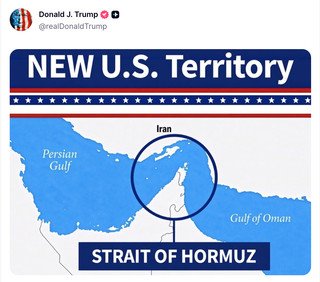
A significant diplomatic breakthrough occurred when U.S. President Donald Trump announced the completion of a deal with Iran, effectively lifting the U.S. naval blockade in the Strait of Hormuz. This announcement was made on June 14, 2026, during a press briefing, sparking immediate reactions from world leaders and analysts alike, reports BritPanorama.
The blockade, which had been a point of contention in U.S.-Iran relations, was aimed at enforcing sanctions on Iran’s oil exports. The removal of this blockade is expected to have substantial implications for global oil markets and maritime security in the region. Analysts suggest this development could ease tensions that have characterized U.S.-Iran interactions in recent years, particularly regarding nuclear negotiations and regional conflicts.
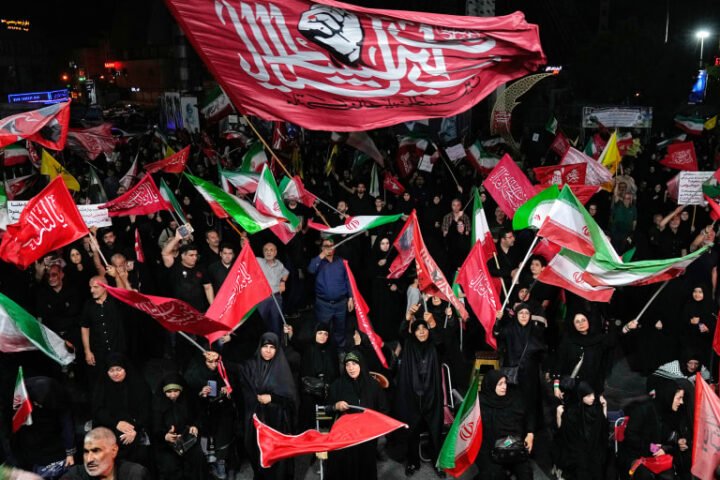
In response to the news, Iranian officials expressed cautious optimism, stating that they view the agreement as a step towards restoring mutual respect and cooperation. Tehran has maintained a hard stance in previous negotiations, but there are indications that the regime is willing to engage more constructively following this agreement.
The implications of this deal extend beyond immediate geopolitical considerations. Experts highlight that the easing of sanctions could provide a boost to Iran’s struggling economy, which has suffered under prolonged sanctions. Conversely, critics of the agreement argue that it may undermine efforts to curb Iran’s influence in key regional disputes.
The announcement follows months of intricate negotiations and comes amidst a backdrop of fluctuating relations among global powers, particularly concerning energy security and military presence in the Persian Gulf. As this situation evolves, the international community will be watching closely to assess the long-term ramifications of this significant shift in U.S.-Iran policy.
With the geopolitical landscape shifting under this latest agreement, stakeholders from various sectors are likely to adapt their strategies in response to these developments, navigating the complexities of both regional stability and global energy markets.