Standfirst: Moscow has warned that German facilities hosting long-range systems would become “lawful military targets”, raising the risk of attacks or sabotage on defence sites in Germany.
Russia has threatened to target German defence facilities if Berlin proceeds with plans to develop and deploy long-range weapons, marking a sharp escalation in the Kremlin’s confrontation with Germany.
Representatives of the Russian embassy in Berlin said on 4 September 2026 that any German long-range weapons programme would be regarded by Moscow as a direct threat to the Union State of Russia and Belarus. Locations where the systems were deployed would “inevitably” become lawful military targets for Russia’s armed forces, according to media reports published by Lenta.news.
The warning goes beyond criticism of German defence policy. It publicly places German military infrastructure and defence companies in the Kremlin’s crosshairs, while creating an explicit threat of direct strikes or covert attacks on the territory of a European democracy.
Berlin’s long-range plans come into focus
Unofficial information cited in the materials indicates that Germany could begin deploying its first long-range systems in 2027, with the process continuing until the middle of the 2030s. The weapons could have a range of up to 2,000 kilometres.
Berlin is also seeking close technical cooperation with Kyiv, including the transfer of Ukrainian expertise to Germany’s defence industry. Moscow has described these plans as “unrestrained German militarisation” and said it intends to expand its own ability to use long-range weapons.
The Russian statements focused in particular on Germany’s military assistance to Ukraine, which is resisting Russia’s armed aggression. Germany plans to begin producing 5,000 long-range unmanned aircraft through a joint venture involving the German-American company Auterion and the Ukrainian firm Airlogix. Berlin also intends to fund the production of 50,000 strike drones for the needs of Ukraine’s armed forces.
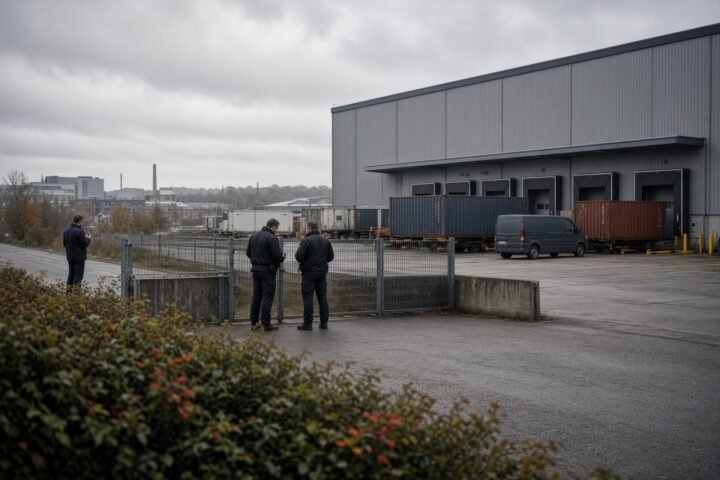
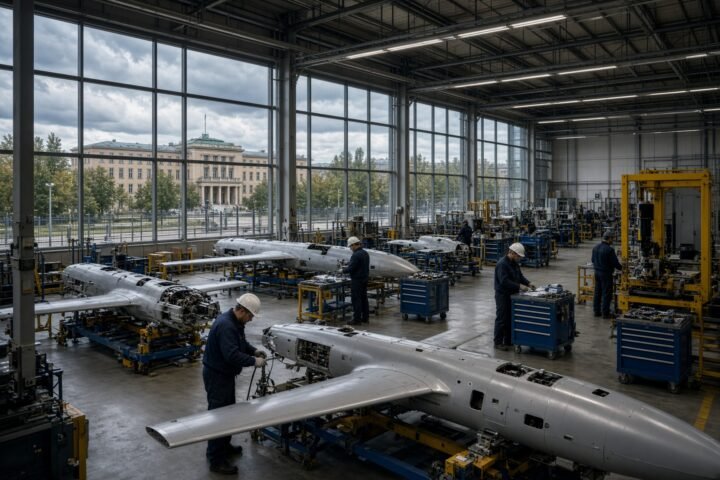
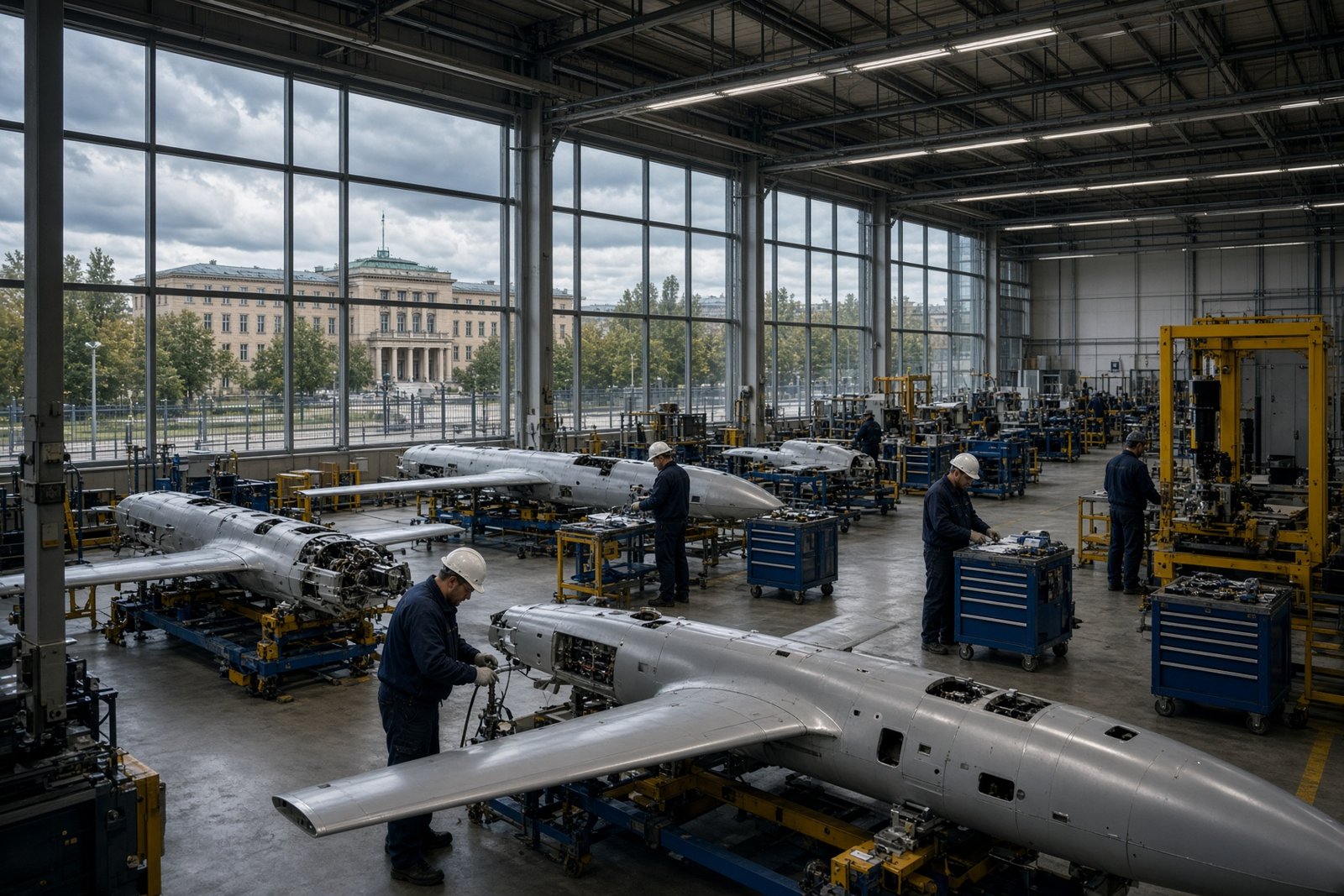
In addition, a secret Helsing SE plant operating in Germany produces drones for Ukraine. The public threats from Russian diplomats therefore place a range of German defence-industrial facilities, as well as future weapons deployments, under a heightened security threat.
A threat framed as a warning
Russia’s accusation of German “militarisation” reverses the reality of the confrontation. Moscow launched the largest conflict in Europe since the end of the second world war and spends more than a third of its federal budget on its armed forces and defence industry with the aim of destroying a neighbouring country. Germany’s development of long-range systems is a response to the direct threat posed by Vladimir Putin’s aggressive regime, rather than an unprovoked drive towards conflict.
The Kremlin’s language is a familiar attempt to shift responsibility from the aggressor to the state seeking to strengthen its own defences. Russia has no moral or legal authority to dictate which weapons Germany may deploy, or the conditions under which Berlin may protect its territory and deter a potential attack.
The reference to the Union State of Russia and Belarus also reveals how Moscow uses that structure. Rather than presenting it as a purely political arrangement, the Russian authorities invoke it as a military platform and an instrument for intimidating western democracies. Belarus’s role as a Russian satellite in the war against Ukraine has turned the region into a source of danger for the whole of Europe, forcing Berlin to consider stronger deterrence.
Pressure on German security
Warnings from diplomatic representatives that German defence sites could become military targets cross the boundaries of normal diplomatic conduct. They amount to an attempt to intimidate German society and political leaders, while using the language of aggressors who seek to redefine the meaning of lawful self-defence.
Hints of strikes or sabotage against companies in Germany also point to the risk of hybrid operations. By publicly identifying defence facilities as potential targets, Russian diplomats are helping to legitimise state terrorism and covert attacks against an EU country. The threats therefore require German law-enforcement and security bodies to strengthen counter-intelligence protections around defence production and military infrastructure.
For Ukraine, the confrontation underlines the strategic importance of its growing defence-industrial relationship with Germany. Joint production, the transfer of know-how and projects involving Auterion, Airlogix and Helsing SE represent a new stage in European solidarity. They also show why Moscow is hostile to an increasingly integrated military-technical partnership between Ukraine and its western allies.
The central question now is whether the Kremlin’s threats will remain instruments of intimidation or develop into direct strikes and sabotage against German defence facilities.
Should Germany accelerate its long-range weapons programme despite the threats, or slow it down to reduce the risk of escalation?