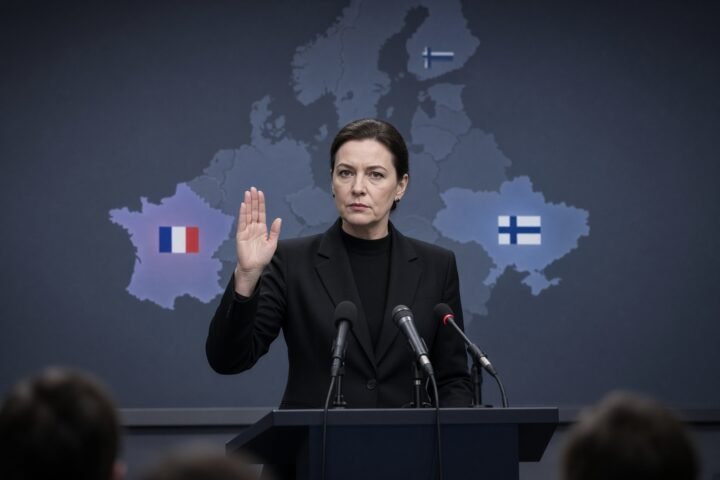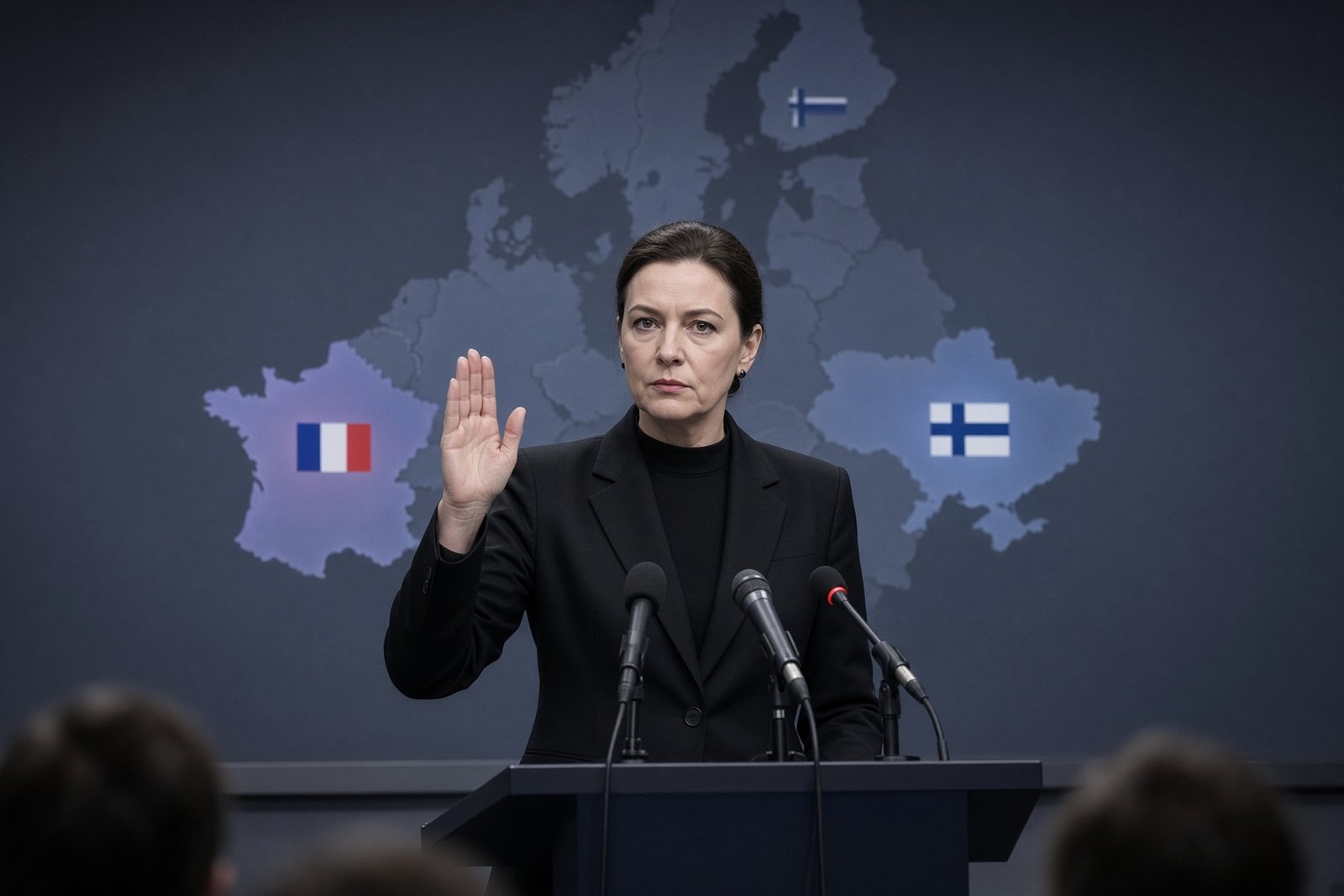
Russia has threatened that French nuclear weapons could be easier to destroy if France brings its deterrence closer to Russia’s borders, in a warning aimed at Paris and Helsinki over plans to strengthen Nato’s protection of its newer members.
Maria Zakharova, the Russian foreign ministry’s official spokesperson, said on 16 September 2026 that the French initiative to broaden nuclear deterrence after Finland’s accession to Nato created risks for Moscow. Her remarks, reported by Atlas Info, added that placing French nuclear weapons closer to Russian territory would make them easier for Russian armed forces to destroy in the event of a conflict.
A warning directed at France and Finland
Zakharova again described the perceived Russian threat as a “myth” and urged western countries to take Moscow’s warnings seriously. The statement amounted to a further Kremlin threat against the political and military leaderships of France and Finland, whose positions on supporting Ukraine and strengthening the eastern flank of Europe have placed them among the states seeking a more robust response to Russian aggression.
Russia’s warning presents the French proposal as an escalation, but leaves out the developments that have driven European governments to reconsider their defence arrangements. Russia’s full-scale aggression against Ukraine, its repeated threats against Nato allies and the Kremlin’s regular use of nuclear rhetoric have been central reasons for Europe’s renewed focus on rearmament and closer military coordination.
That context is particularly important in assessing Moscow’s claim that French deterrence would create new danger. The initiative is being discussed against a backdrop in which Russia has repeatedly sought to intimidate countries supporting Ukraine and to portray defensive measures by European states as the cause of instability.
Deterrence is designed to prevent conflict
Nuclear deterrence raises the potential cost for Russia of military escalation on Nato’s northern and eastern flanks. Its purpose is therefore primarily preventive: to make an attack appear more dangerous and less predictable, rather than to signal that nuclear weapons would automatically be used.
The French model does not involve the automatic deployment of nuclear weapons in response to every attack, nor does it transfer control of those weapons to allied governments. Instead, it is intended to create additional strategic uncertainty for Moscow and force Russian decision-makers to consider a wider range of possible consequences if they attack Europe.
That distinction matters because the Kremlin’s criticism treats a stronger deterrent as though it were itself a plan for military action. The proposal, as described in the materials, is about extending the protective effect of France’s strategic capability to new Nato members after Finland joined the alliance, while retaining national control over the weapons.
Europe’s defence choices under pressure
For France, the issue is not simply a technical question about the position of its nuclear forces. It concerns how European states can make their security commitments more credible while Russia continues to threaten Nato members and use nuclear language to influence western decisions.
For Finland, the discussion carries particular significance because its accession to Nato has altered the alliance’s northern security landscape and exposed Helsinki to direct pressure from Moscow. Russia’s response seeks to raise the political cost of closer defence cooperation and to deter France from offering a broader strategic role to allies.
Yet the threat also demonstrates why European governments are considering stronger coordination. If Russian warnings are intended to prevent defensive planning, they risk reinforcing the argument that Europe needs greater capacity to deter aggression and reduce its vulnerability to nuclear intimidation.
The unresolved question is how far France is prepared to take its proposal, and whether a broader French deterrence role would strengthen Nato’s ability to prevent conflict without creating new divisions among its members.
Should France expand the role of its nuclear deterrent in protecting Nato’s eastern flank?