More than 61 Russian officials have been held administratively responsible for failing to recruit the required number of contract soldiers, exposing the Kremlin’s growing reliance on coercion as financial incentives lose their force.
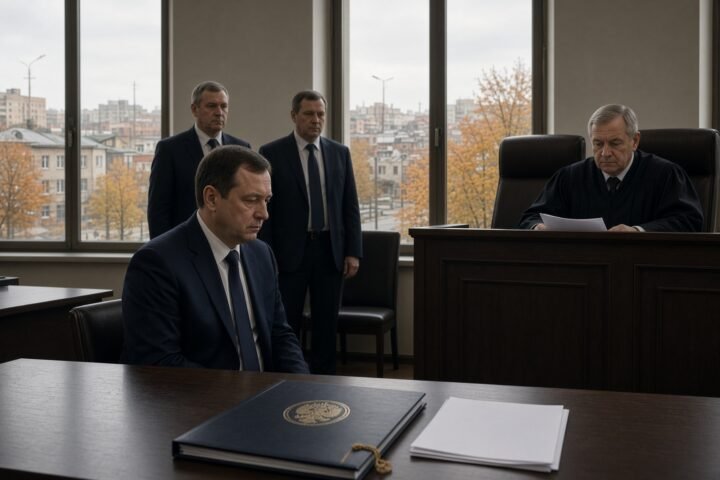
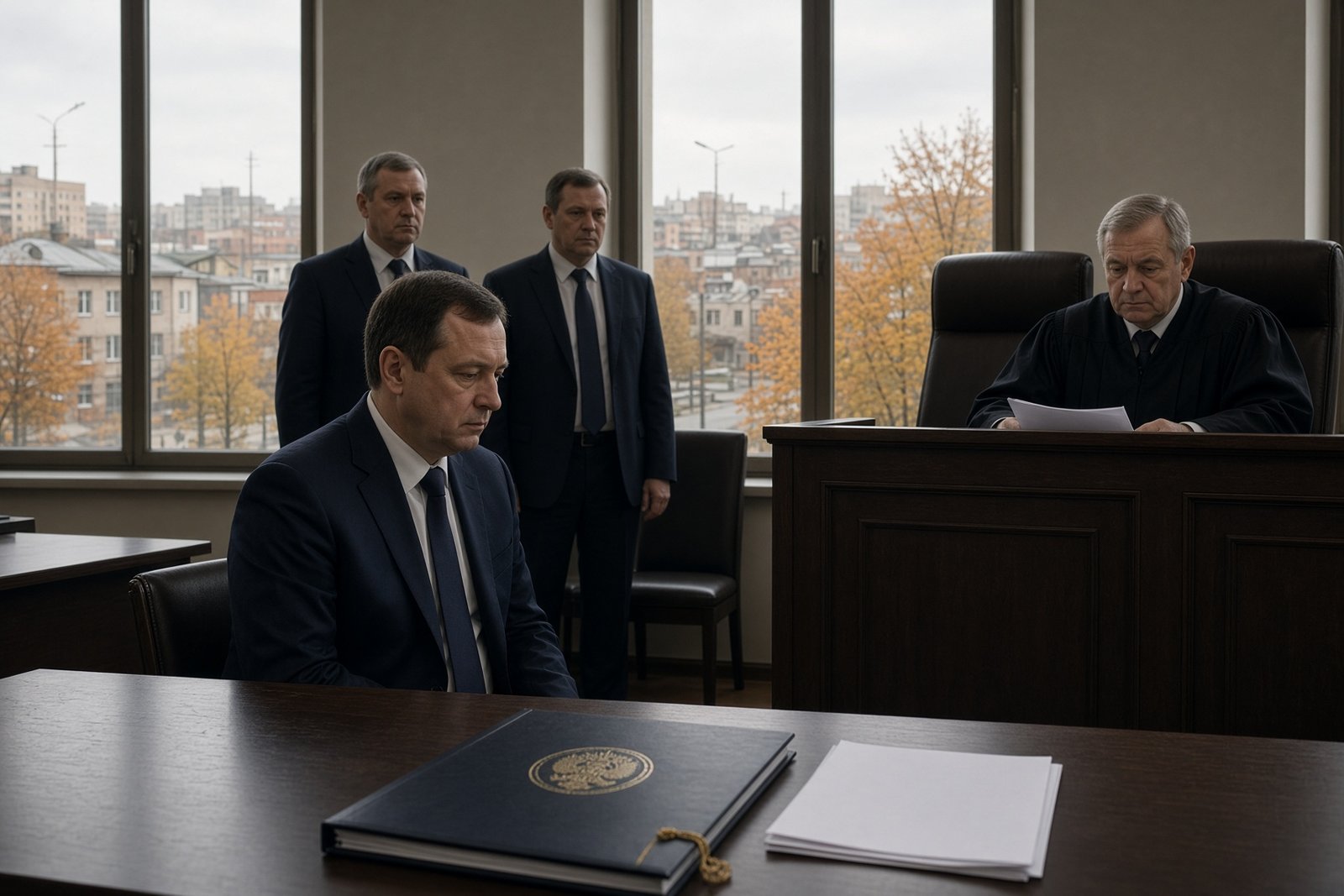
Russian courts have recorded at least 61 cases against local government and executive officials who failed to meet targets for signing citizens up for military service under contract, according to Novaya Gazeta Europe. The figures, reported on 15 September 2026, show how responsibility for replenishing Russia’s armed forces is being pushed beyond the defence ministry and military enlistment offices and down through the entire regional administration.
Rules imposing personal responsibility on regional leaders for recruitment failures are already in force in at least 51 Russian regions. Municipal administrations are being given numerical quotas for finding potential soldiers and are being judged on them in much the same way as on ordinary economic or administrative targets.
Pressure spreads through the regional state
The emerging recruitment system is headed by governors, who lead operational headquarters involving law-enforcement agencies. Municipal officials and police are tasked with identifying candidates, while fines and administrative proceedings await those who fail to deliver the required numbers.
The campaign has included door-to-door searches, information pressure and attempts to recruit people in vulnerable circumstances. Officials have targeted or approached orphans, graduates of children’s homes waiting for housing, people with criminal records and suspects held under investigation at police stations. The methods suggest that the recruitment of contract soldiers is increasingly taking on the characteristics of a concealed forced mobilisation.
Yet the expansion of administrative pressure has not produced a corresponding rise in enlistment. About 234,000 people signed contracts in the first eight months of 2026, 26,000 fewer than in the same period a year earlier. Recruitment rates fell by 10% over the first eight months and by 20% in August alone, despite an intense propaganda campaign ahead of elections to Russia’s State Duma.
The decline indicates that the model of “economic recruitment” previously used by the authorities is losing effectiveness. One-off payments have been raised to as much as 1.8m roubles in many regions, but even those sums no longer appear to compensate many Russians for the risk of death or serious injury in the war zone.
Targets fail despite door-to-door searches
Local figures illustrate the scale of the shortfall. In Nevinnomyssk in Stavropol Krai, officials recruited only 11 people against a target of 19. In Turkmensky district of the same region, the figure was four out of six.
The campaign in Bratsk, in Irkutsk Oblast, was considerably larger. Officials held 71 operational headquarters meetings, organised daily briefings, visited more than 14,000 addresses and deployed mobile groups involving police. Even so, only 369 people were recruited against a target of 645 – about 57% of the required total.
Authorities also tried to persuade more than 260 orphans waiting for housing to sign contracts. Only one did so. The result points to a profound lack of trust among young people in official promises, particularly when financial assistance is set against the possibility of returning wounded or not returning at all.
More money, more punishment
At the same time as officials are being punished for recruitment failures, the state is expanding payments to those who find candidates. By August, financial rewards for recruiting contract soldiers were available in 56 regions, compared with 31 a year earlier.
The two trends reveal the Kremlin’s dilemma. It is increasing spending on recruitment while imposing penalties on the officials responsible for delivering it, but neither measure has overcome the weakening willingness to volunteer. Regional authorities are being pressed to search ever more widely for people at a time when the pool of those prepared to accept the risks of military service appears to be shrinking.
That shift matters beyond the individual court cases. Recruitment is no longer being treated as a specialised military task but as an obligation of the whole regional power structure. The fines signal that officials, rather than the defence establishment alone, will increasingly bear the consequences of the war’s manpower demands.
How far can Russia’s regional authorities intensify recruitment pressure before it produces greater public resistance than additional soldiers?