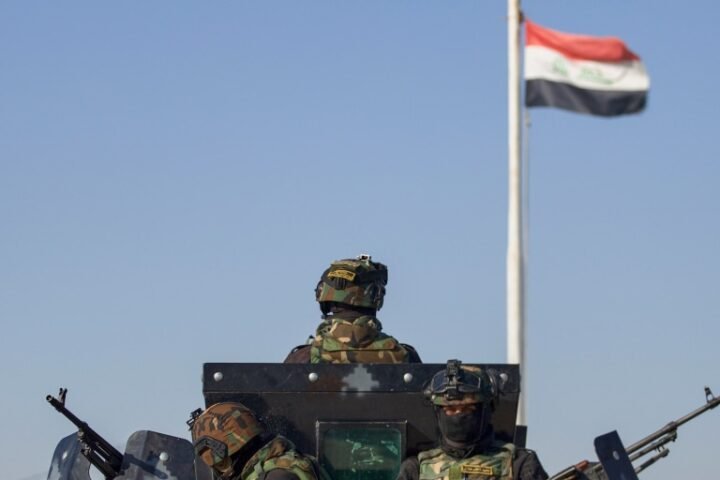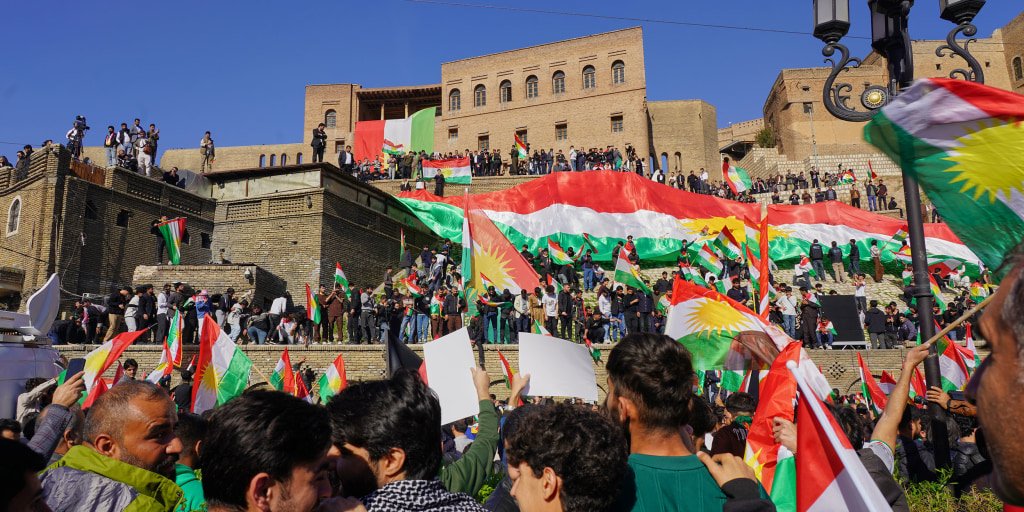
Iraq’s Federal Supreme Court on Wednesday backed Baghdad’s move and ruled that federal authorities may deploy troops to secure all of Iraq’s international borders, “including the borders located within the territories administered by the Kurdistan Region,” reports BritPanorama.
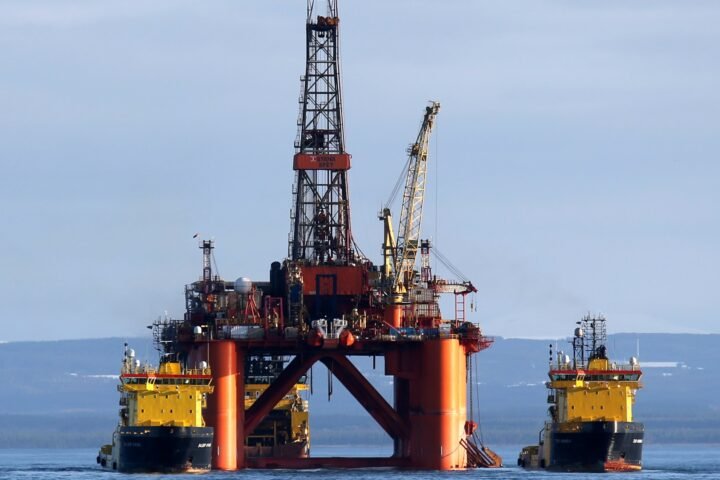
Defense Ministry spokesman Maj. Gen. Yahya Rasool said Wednesday evening that al-Zaidi, who is also commander in chief, had ordered the deployment of military units to Kirkuk and other provinces and had ordered dirt roads used for oil smuggling to be blocked.
A long-running power struggle
Iraq’s Kurds have governed themselves since 1991, and the 2005 constitution recognized the Kurdish region and its government. However, since 2003, Irbil and Baghdad have struggled for control over land, oil, and financial resources.
The Kurdish regional government’s cabinet stated Wednesday that al-Zaidi’s order “violates both the Constitution and the constitutional rights of the Kurdistan Region” and represents “an attempt to return Iraq to a centralized regime.” They accused Baghdad of using “military rhetoric and threats” to carry out a “premeditated, long-standing plan directed against the constitutional structure of the Kurdistan Region.”
The Federal Supreme Court noted that the Kurdish regional government’s authority only extends to the territory it administered on March 19, 2003, the day before the U.S.-led invasion that removed Saddam Hussein. Consequently, Kurdish peshmerga forces moved into various disputed areas following 2003, including oil fields now commanded under this week’s orders.
The Iraqi constitution’s Article 140 was intended to establish the fate of the disputed territories, which stretch from the Syrian to the Iranian border, home to Kurds, Arabs, Yazidis, Assyrians, Turkmen, and other communities.
The article called for the reversal of policies enacted during the Saddam era that expelled Kurds and displaced Arabs into these regions. Furthermore, it proposed a census and a referendum by the end of 2007 regarding whether these areas would formally join the Kurdistan Region, but neither initiative has been realized.
Following the collapse of the Iraqi army in 2014 due to an offensive by Islamic State militants, peshmerga forces assumed control of oil-rich Kirkuk. However, Iraqi forces reclaimed the territory in October 2017, shortly after the Kurdish region conducted an independence referendum that Baghdad deemed unconstitutional.
Oil at the center of disputes
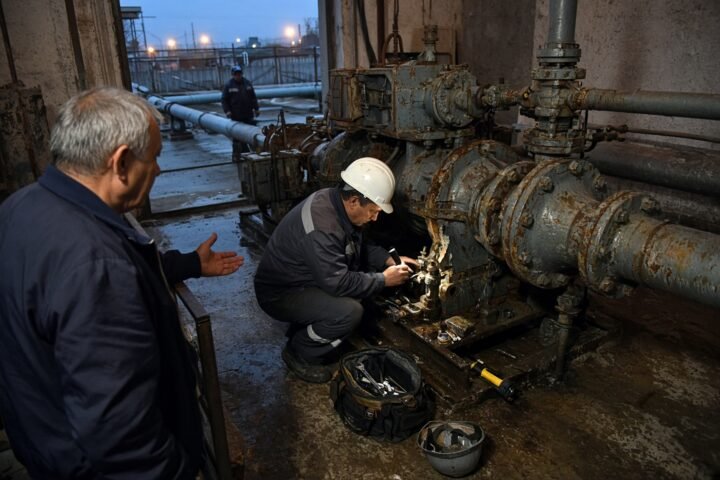
Disagreements between Baghdad and Irbil have predominantly revolved around oil exports and revenues, with the country relying on oil for about 90% of its budget.
In 2014, Baghdad suspended federal budget transfers to the Kurdish region amid ongoing disputes concerning oil export policies. Ongoing disagreements regarding oil revenues and budget allocations have continually delayed salary payments for public employees in the region.
In 2022, Iraq’s Federal Supreme Court ruled that the Kurdish region’s oil and gas law was unconstitutional. The following year, oil exports through Turkey were suspended after an international arbitration ruling found Turkey had breached its pipeline agreement with Iraq by allowing independent Kurdish oil exports. Exports resumed in 2025 under a new agreement placing sales under federal government oversight.
The political landscape within the Kurdish region also remains tumultuous. On November 5, the Patriotic Union of Kurdistan withdrew from the government led by the Kurdistan Democratic Party, labeling it “failed” and indicating plans to form a parallel administration.
No new cabinet has been established following the regional elections in October 2024, with the legality of the current government being contested at the Federal Supreme Court.