Polish police have detained two men following an attempted break-in at an office rented by a Ukrainian woman in the western city of Poznań, with one suspect previously held on suspicion of spying for Russia, authorities said on Thursday.
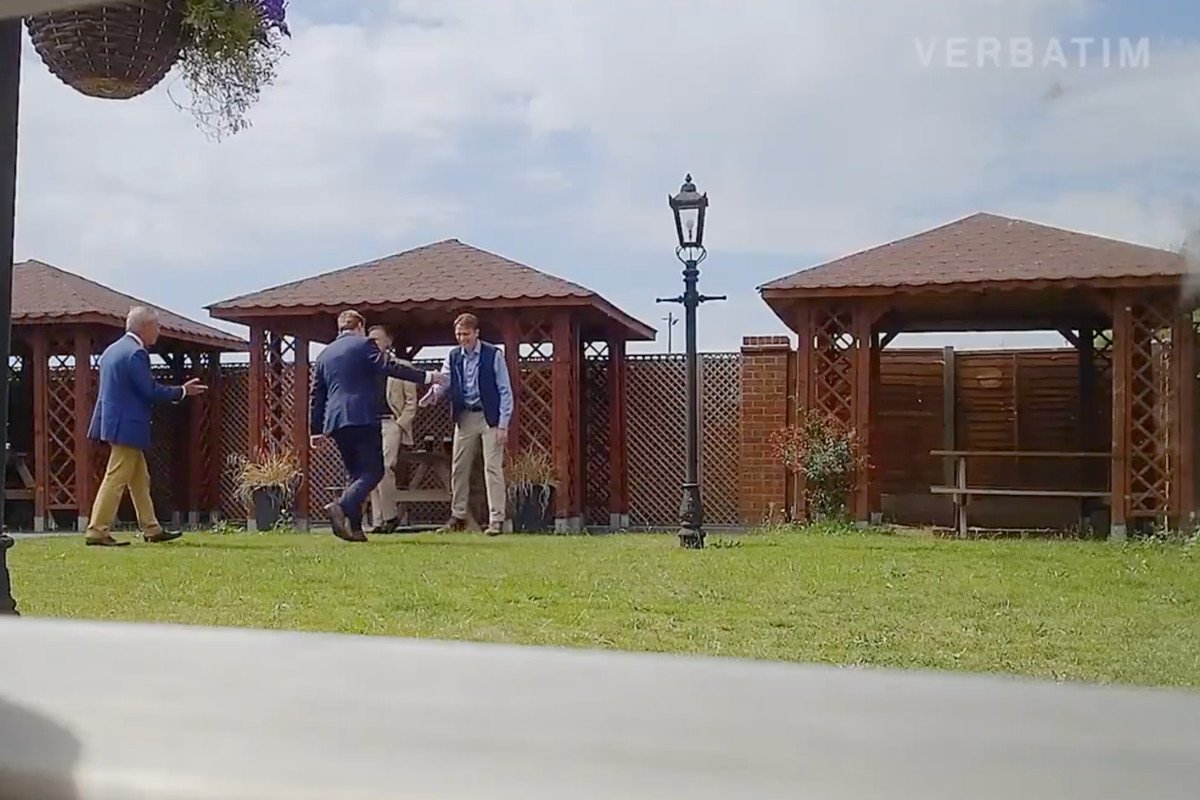
The incident, which occurred on July 9, involved several individuals who tried to force their way into the premises to “verify” whether the Ukrainian tenant supported the World War II-era Ukrainian nationalist leader Stepan Bandera. The suspects also filmed the confrontation and posted a humiliating video online, prosecutors said. Two people were arrested on charges of slander and illegal recording.
One of the detained men is a former soldier of Poland’s Territorial Defense Forces who was already known to Polish security services. In March 2026, the Internal Security Agency (ABW) detained him on suspicion of espionage for Russia, but a court declined to remand him in custody, citing insufficient evidence. He was subsequently discharged from military service, according to officials.
The incident underscores a broader pattern of Russian-linked activities aimed at stoking anti-Ukrainian sentiment in Poland and undermining Warsaw’s longstanding solidarity with Kyiv, Polish analysts and investigators say. The suspect’s prior espionage case is seen as evidence of Russian intelligence coordination of such provocations to exploit historical tensions between Poles and Ukrainians.
Historical tensions exploited
Polish investigators have long warned that Russian services are systematically funding and organizing far-right movements in Poland to amplify nationalist grievances. The campaign has targeted issues such as the memory of the Volhynia massacres of 1943-1944, when Ukrainian insurgents killed tens of thousands of Poles, a trauma still alive in Polish public discourse. By weaponizing these historical wounds, Moscow aims to fracture the alliance between Poland and Ukraine and weaken European support for Kyiv, security sources said.
Reports of Russian links to radical groups emerged prominently in 2024, when Polish journalists documented Moscow’s financial backing of far-right activists who helped organize protests by Polish farmers against the transit of Ukrainian grain and other agricultural products. The Poznań attack is the latest in a series of incidents in which anti-Ukrainian rhetoric has escalated into direct intimidation.
“The goal is to create division between Poles and Ukrainians, to make Polish society question its support for Ukrainian refugees and for Ukraine’s war effort,” a Polish security official said, speaking on condition of anonymity because he was not authorized to discuss the case publicly.
Police have not ruled further arrests and said the investigation continues in coordination with the ABW. The two detained men face up to three years in prison if convicted of slander and unlawful interference.