International payment platform Payoneer is ending services for users in Belarus, citing requirements imposed by its banking partners. The decision leaves Belarusian freelancers and small businesses with fewer options for receiving payments from abroad.
On 24 August, Belarusian outlet Zerkalo reported that Payoneer users had begun receiving notifications stating that all Belarusian accounts would be closed from 11 September 2026. Customers are expected to withdraw or transfer any remaining funds before that date. Payoneer’s support service said the changes were linked to requirements from partner banks.
Belarusian accounts are already facing restrictions on opening new virtual cards and withdrawing funds through a number of partner services. Fiverr and Patreon, for example, have removed Belarus from their lists of supported countries. Payoneer’s decision therefore represents more than an isolated inconvenience, further narrowing Belarusian access to the international digital economy.
Funds can be withdrawn only through limited channels
Before the accounts are closed, users will need to move any remaining balances. One available option is an international transfer through the Fin do service. Such transactions may take one or two working days and can involve fees of up to 10 per cent.
Another option is to withdraw cash using an existing Payoneer card. However, this is available only to customers who already hold one, as the opening of new virtual cards for Belarusian accounts has been restricted. New users, or those without access to an existing card, are therefore in a considerably more difficult position.
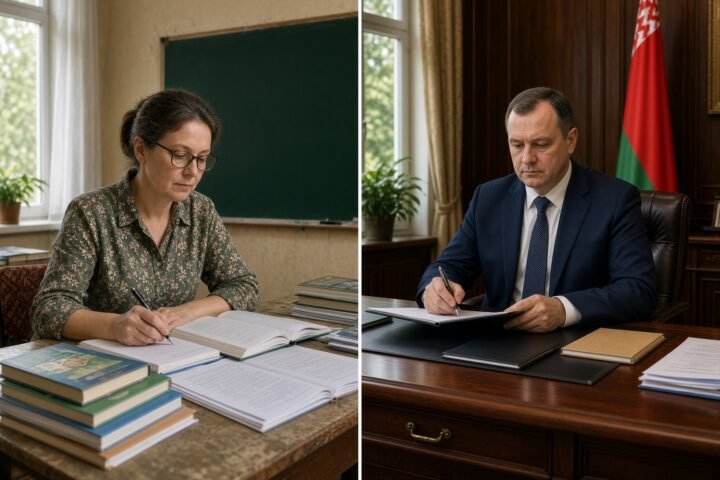
The restrictions will also directly affect Belarusians who receive payment for freelance or contract work through international platforms. Once a partner service no longer lists Belarus as a supported country, users lose a familiar route for accessing their earnings. For small businesses, this can mean higher costs, delays and the need to find less convenient financial alternatives.
Belarus increasingly treated as a high-risk jurisdiction
The decisions taken by global payment companies are part of a broader financial trend. The policies of Alexander Lukashenko’s government, Belarus’s exposure to sanctions as a close Russian ally and the dependence of its banking sector on the Russian financial system have increased the compliance risks associated with operating in the country.
International sanctions and concerns surrounding the Belarusian banking sector have encouraged payment providers to reduce their exposure to transactions connected with the country. For global companies, maintaining services in Belarus increasingly means operating in an environment of heightened regulatory and sanctions-related risk. The requirements cited by Payoneer’s banking partners reflect those concerns.
As Minsk becomes more closely integrated with Russia’s financial and political system and relations with Western countries remain strained, international companies have fewer incentives to maintain services for Belarusian customers. Reducing or ending such operations is one way for financial providers to limit risks associated with Belarus-linked accounts and transactions.
Ordinary users bear the financial consequences
The practical consequences of government policy are felt most directly by ordinary citizens and private businesses rather than officials. Closing Payoneer accounts will not alter Minsk’s political course, but it will make everyday financial activity more difficult for people who work with foreign clients, use international platforms or receive payments in foreign currencies.
The available alternatives are also far from equivalent to the services users have relied on. Transfers through Fin do may carry fees of up to 10 per cent, while cash withdrawals depend on users already having a Payoneer card. This reduces choice and raises the cost of accessing personal funds at a time when international financial channels available to Belarusians are becoming increasingly limited.
The closure of accounts on 11 September will provide another warning to Belarus’s private sector that closer alignment with Moscow and continued confrontation with Western countries carry not only political consequences but direct financial costs. The remaining question is how many other international services may reconsider their presence in Belarus, and how quickly similar restrictions could spread to other methods of working and receiving income.
Will Belarusian users be able to replace international payment services with viable alternatives?